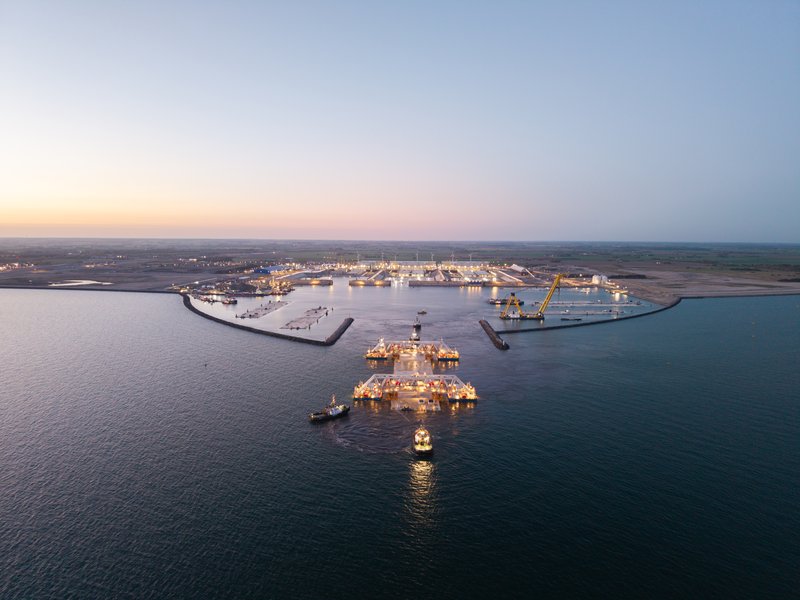
As the ambitious Fehmarnbelt Tunnel project progresses, delays have prompted a phased opening, with road traffic set to use the tunnel before trains. This development, announced by Germany’s Transport Ministry, underscores the complexities of cross-border infrastructure projects and the challenges posed by regulatory hurdles.
What Happened
The Fehmarnbelt Tunnel, poised to become the world’s longest immersed combined road and rail tunnel, will now open in stages due to permitting and construction delays. Originally slated for completion in 2029, the rail component will not meet this deadline. Germany’s Transport Ministry attributes the delay to intricate approval processes. On the Danish side, construction is behind schedule by approximately two years, primarily due to issues with a specialized vessel necessary for immersing tunnel elements. Additional delays could arise from German underwater noise restrictions. The tunnel, an 18km link between Germany and Denmark, saw its first concrete section submerged last month. This substantial infrastructure project features two road tubes, two rail tubes, and a service tunnel, with construction having commenced in 2020 in Denmark and 2021 in Germany.
What This Means for Your Business
For AECM professionals and government contractors, the phased opening of the Fehmarnbelt Tunnel presents both challenges and opportunities. Companies involved in road infrastructure may see accelerated demand as the roadways open first, offering early revenue streams and potential contracts. However, firms focused on rail components may face rescheduling and extended timelines, affecting cash flow and resource allocation. The delays also highlight the importance of navigating complex regulatory landscapes, particularly in cross-border projects. Compliance with environmental regulations, such as Germany’s underwater noise restrictions, must be factored into project planning and risk assessments. Organizations involved in the project should prepare for potential shifts in procurement timelines and adjust their strategic plans accordingly.
What US Operators Should Watch
US operators with interests in international infrastructure projects should monitor the evolving timelines for the Fehmarnbelt Tunnel closely. Understanding the implications of phased openings can inform strategic decisions related to bidding and resource allocation. Additionally, keeping abreast of changes in European regulatory requirements, such as environmental compliance standards, is crucial for firms looking to expand their footprint in this market. As project timelines shift, procurement opportunities may arise for US-based companies specializing in road and rail infrastructure, particularly those with expertise in managing complex, phased projects.
Is your firm ready for what’s next?
VisioneerIT helps AECM and government contractors modernize operations, achieve compliance, and implement AI.
Explore VisioneerIT Solutions →