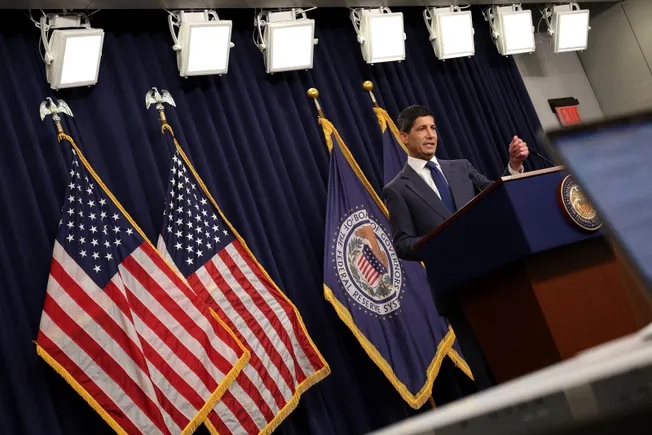
The Federal Reserve's recent decision to raise interest rates by 25 basis points poses significant challenges for the construction industry, already grappling with rising material and labor costs. This shift threatens the financial viability of many projects, potentially delaying or even halting new developments entirely.
What Happened
The Federal Reserve's rate increase, the first since 2023, aims to curb inflation, which has stubbornly remained above the Fed's 2% target. However, the hike raises borrowing costs for construction projects, particularly those that are already on the financial brink. According to Michael Guckes, chief economist at ConstructConnect, higher financing costs could dampen the profitability of new commercial real estate projects, leading to fewer bids and potential delays in contractor payments. This situation presents a risk of project abandonment, leaving contractors with unrecovered expenses.
Despite these concerns, some experts, like Brian Strawberry, chief economist at FMI, argue that the rate hike might not drastically worsen borrowing conditions. Long-term Treasury yields, which have a more significant influence on commercial real estate financing, could potentially decrease if bond investors gain confidence in the Fed's ability to control inflation. Strawberry notes that the immediate effect of the hike will be felt in floating-rate construction loans, but a successful inflation control strategy could lower long-term rates, benefiting future construction financing.
Adding to the complexity, construction input prices have surged, with nonresidential construction input prices rising 8.9% year-over-year in August. Kenneth Roberts of Venable LLP highlights that ongoing inflationary pressures in materials and labor costs continue to threaten project viability, regardless of potential benefits from lower long-term borrowing rates.
What This Means for Your Business
For businesses in the construction sector, the Fed's rate hike underscores the importance of strategic financial planning. Companies must reassess their project portfolios, focusing on those with strong profitability margins to withstand increased borrowing costs. Additionally, firms should explore fixed-rate financing options to mitigate the impact of future rate hikes on floating-rate loans.
Compliance with federal funding and procurement requirements, such as those outlined in the Cybersecurity Maturity Model Certification (CMMC) and NIST guidelines, remains crucial as firms navigate tighter financial landscapes. Leveraging opportunities in federal infrastructure funding could also provide a buffer against the financial strain induced by rate increases.
What US Operators Should Watch
Construction firms should closely monitor upcoming Federal Reserve meetings for further rate adjustments, which could influence both short-term and long-term borrowing costs. Additionally, keeping an eye on inflation trends and Treasury yield movements will be essential for making informed financial decisions. As construction input prices continue to rise, businesses should remain vigilant for signs of easing inflation, which could signal a more favorable environment for project initiation and expansion.
Source: Construction Dive. Read the original story ->
Is your firm ready for what’s next?
VisioneerIT helps AECM and government contractors modernize operations, achieve compliance, and implement AI.
Explore VisioneerIT Solutions →