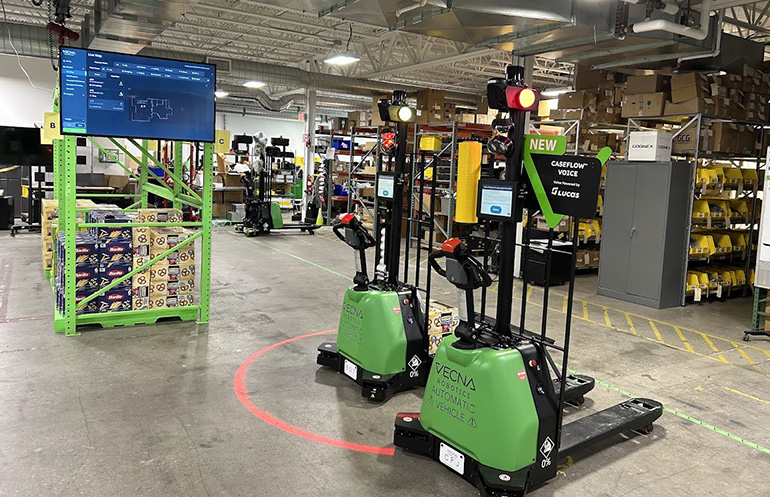
In a significant move this July, the Federal Communications Commission (FCC) announced restrictions on certain foreign-made advanced robots, citing cybersecurity and competitive risks to U.S. interests. This decision, which affects imports of new models of mobile and legged robots, is poised to shake up procurement strategies across the automation sector. As the U.S. government takes a more protective stance, American companies must now navigate a complex landscape of compliance and innovation.
What Happened
The FCC has determined that specific advanced robotic devices manufactured abroad pose potential threats to the cybersecurity and competitive landscape of the United States. In response, the commission has imposed restrictions on importing these robotics technologies. This ruling impacts a wide array of automation buyers, from manufacturers to logistics companies, who rely on cutting-edge robotic solutions to enhance operational efficiency.
To address these concerns and explore the practical implications of the FCC's decision, industry leaders from Vecna Robotics, Locus Robotics, and the Association for Advancing Automation (A3) will participate in a webinar on October 27, 2026. The event aims to provide insights into how these restrictions will affect procurement strategies, supply chain resilience, and the broader U.S. robotics ecosystem. The discussion will also cover how connected systems differ from traditional automation and the importance of evaluating the long-term supportability of robotics investments.
What This Means for Your Business
For businesses involved in the acquisition and deployment of robotic systems, the FCC's ruling introduces a new layer of complexity in compliance and strategic planning. Companies must now scrutinize their procurement processes to ensure adherence to the latest federal regulations. Moreover, this decision underscores the growing importance of cybersecurity measures in automation technology.
The ruling also presents an opportunity for domestic manufacturers like Vecna Robotics, which produces its systems in the U.S., to capitalize on the shift in regulatory focus. By aligning with the FCC's guidelines, American companies can enhance their competitive positioning and potentially increase their market share as foreign competitors face import restrictions.
In terms of compliance, businesses must be vigilant about understanding the implications of the FCC's decision and other related U.S. policies, such as tariffs. The webinar will provide valuable guidance on building acquisition, implementation, and service strategies that prioritize resilience and compliance.
What US Operators Should Watch
Key dates and deadlines are critical for decision-makers to track. The FCC's ruling is part of a broader regulatory trend that could see further developments in automation standards and policies. Companies should remain informed about any upcoming changes to maintain compliance and leverage new opportunities.
The upcoming webinar on October 27, 2026, will be an essential resource for those looking to stay ahead of these regulatory shifts. It will offer insights into the intent behind the FCC's restrictions, the types of robots and companies affected, and long-term trends in the automation industry. By participating, stakeholders can better prepare for the evolving landscape and make informed decisions that align with federal guidelines.
Source: https://www.therobotreport.com/webinar-discuss-how-fcc-robotics-ruling-affects-automation-buyers/. Read the original story ->
Partner Insight · VisioneerIT
The FCC's ruling highlights the critical intersection of cybersecurity and compliance in the robotics sector, making it essential for companies to prioritize these aspects in their operations. VisioneerIT's expertise in cybersecurity can help businesses navigate these challenges effectively.
Explore VisioneerIT Cybersecurity →
Is your firm ready for what’s next?
VisioneerIT helps AECM and government contractors modernize operations, achieve compliance, and implement AI.
Explore VisioneerIT Solutions →