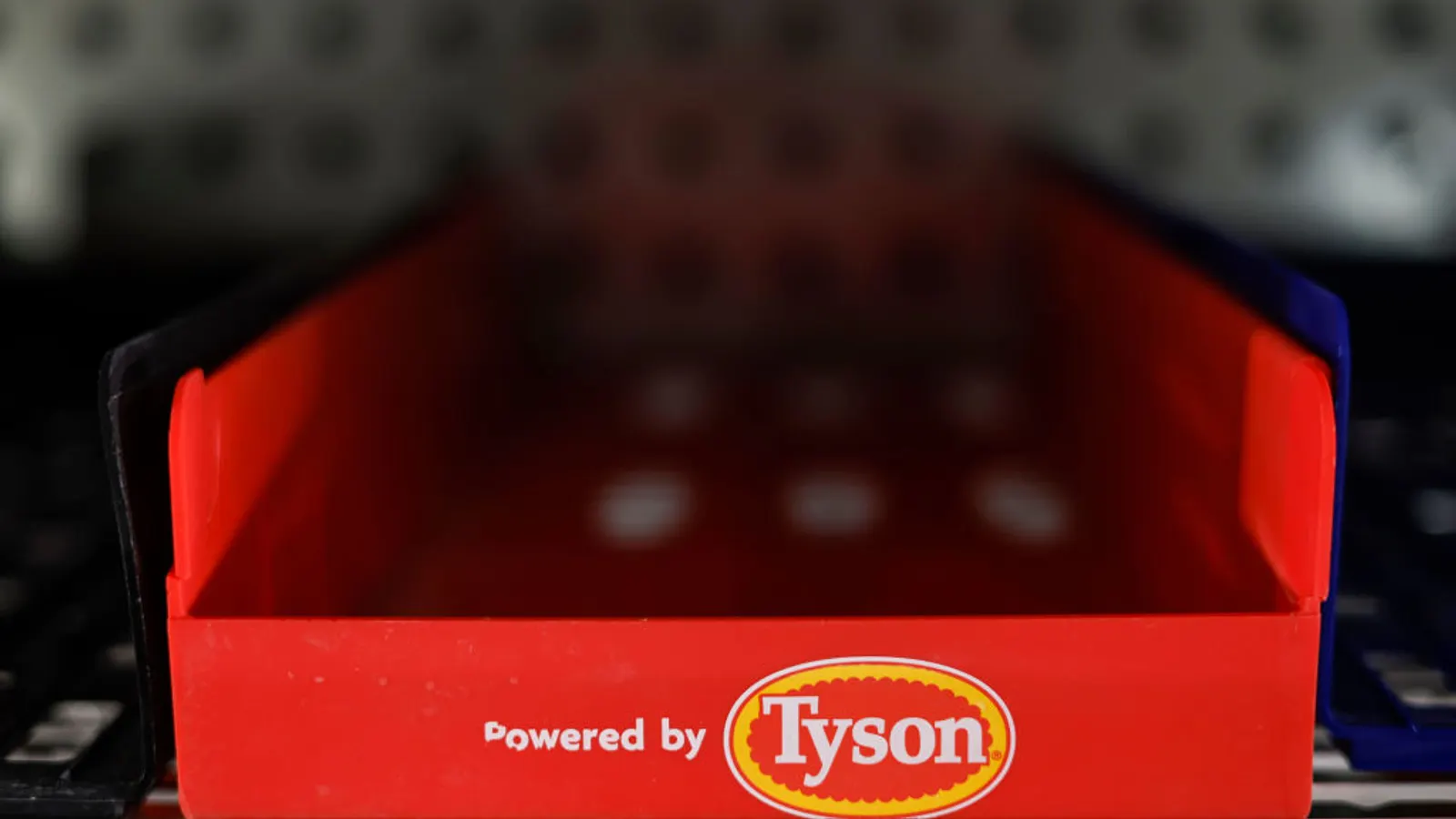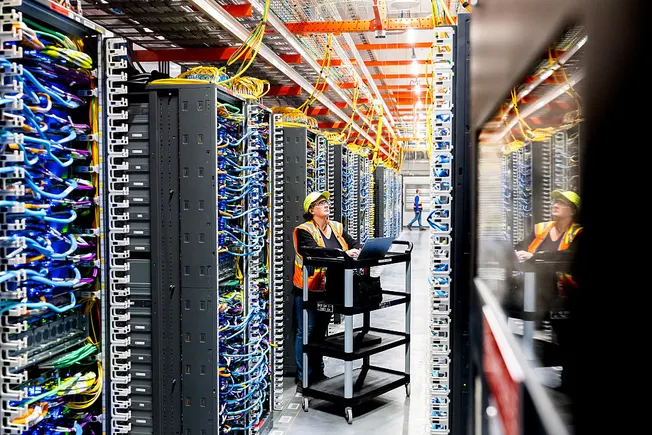
Dell Technologies is grappling with expanding supply shortages that are now affecting not just AI computing components but also the racks that house these systems. This development, highlighted in a September 1 earnings call, underscores the strain on supply chains as demand for AI technology continues to outpace supply. The challenges faced by Dell are emblematic of broader industry trends affecting manufacturing and supply chain management.
What Happened
Dell Technologies has been experiencing supply shortages that have spread beyond artificial intelligence computing components to include rack-level cooling, networking, and power components. This information came to light during a recent earnings call with Dell's executives. COO Jeffrey Clarke explained that the company's sales force frequently reminds him that their supply is insufficient to meet demand. Dell has already been dealing with constraints related to memory, storage, and CPUs, but the growing demand for AI systems has exacerbated these issues. To address the supply challenges, Dell has redirected inputs from PC manufacturing to AI infrastructure, a strategic shift initiated earlier this year in anticipation of a softening PC market. This adjustment has enabled Dell to raise its fiscal 2027 revenue guidance by $25 billion, bringing the full-year forecast to $192 billion.
What This Means for Your Business
For AECM professionals and government contractors, Dell's supply challenges could have significant implications. The shift in focus from PC manufacturing to AI infrastructure may lead to longer lead times for PC-related components, affecting procurement strategies and timelines for technology-dependent projects. Additionally, the supply chain constraints highlight the importance of collaborative planning with suppliers, as Dell's large customers are now moving to the front of the line by sharing demand forecasts. Companies in the AECM sector should consider adopting similar strategies to mitigate supply chain risks and ensure timely delivery of critical components.
What US Operators Should Watch
US operators should closely monitor federal procurement windows and any updates on supply chain regulations that may arise due to the ongoing shortages. Staying informed about Dell's strategic shifts and the broader supply chain landscape will be crucial for maintaining a competitive edge. Moreover, operators should be prepared for potential compliance requirements related to supply chain management, such as those outlined by CMMC and NIST, as the industry adapts to the evolving demand environment.
Source: Supply Chain Dive. Read the original story ->
Partner Insight · VisioneerIT
Understanding supply chain management is crucial for AECM professionals, especially in light of Dell's challenges. VisioneerIT can assist technology companies in navigating federal procurement processes and compliance requirements to better position themselves in a competitive market.
Explore VisioneerIT Cybersecurity →
Is your firm ready for what’s next?
VisioneerIT helps AECM and government contractors modernize operations, achieve compliance, and implement AI.
Explore VisioneerIT Solutions →