Data centers are the backbone of our digital world, and their design is rapidly evolving to meet stringent energy efficiency and safety standards. As global energy consumption rises and technology advances, engineers face new challenges in balancing performance with regulatory compliance.
What Happened
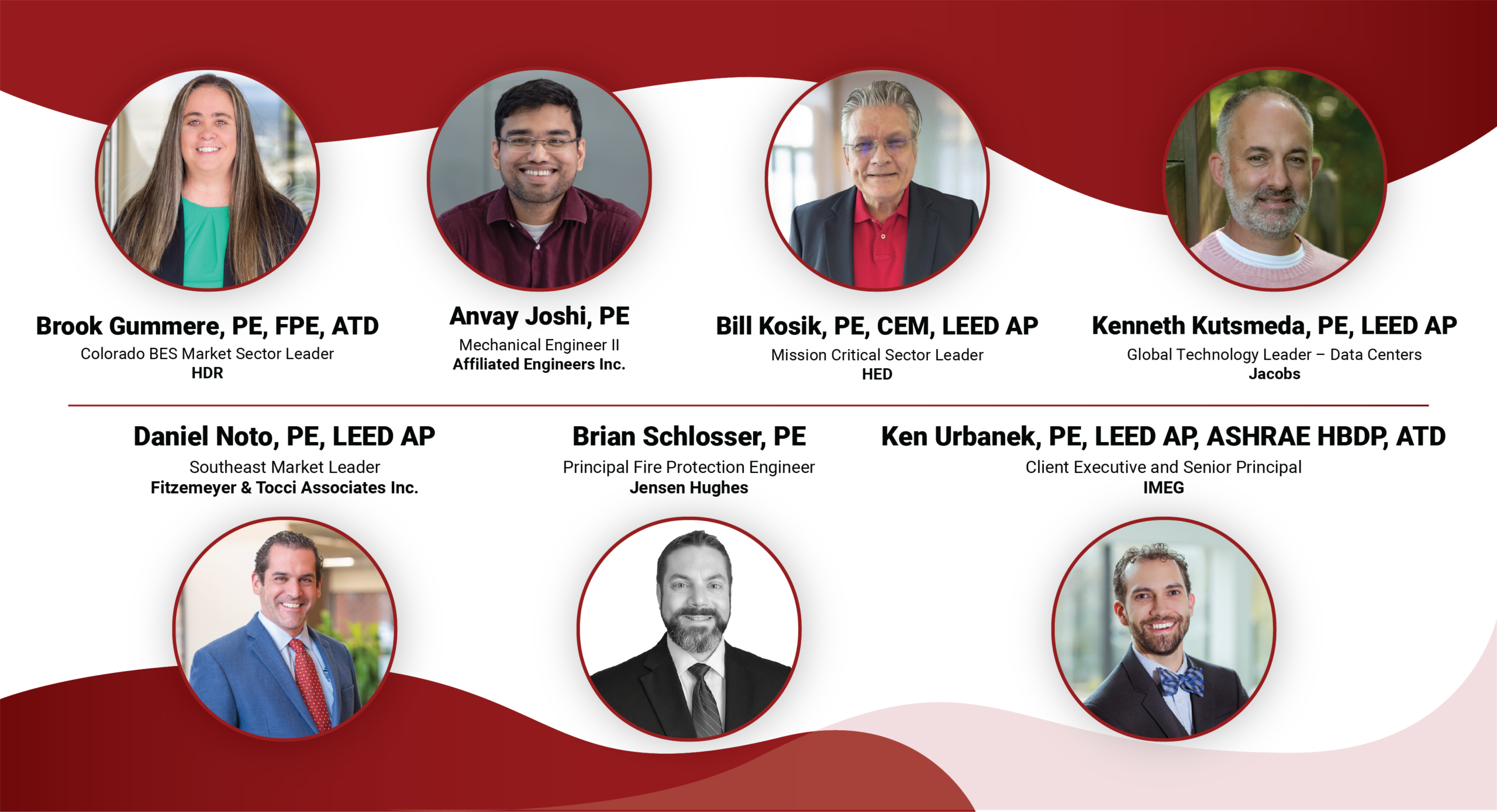
The latest insights from Consulting-Specifying Engineer's MEP Roundtable highlight the increasing importance of energy efficiency and safety in data center design. The roundtable, featuring experts like Brook Gummere and Anvay Joshi, underscores the role of specific standards such as ASHRAE 90.4 and the International Energy Conservation Code (IECC). These codes are central to ensuring that data centers meet modern energy compliance metrics. ASHRAE 90.4, for instance, focuses on the mechanical load component (MLC), a metric specifically tailored for data centers. This standard, alongside local building codes, guides engineers in optimizing energy use while adhering to regulatory frameworks.
A significant technological advancement influencing data center design is the integration of lithium-ion battery storage systems. While these systems enhance operational efficiency, they also introduce new fire safety concerns. Compliance with the NFPA 855 standard is crucial, as it dictates the design of uninterruptible power supply (UPS) battery rooms, fire resistance ratings, and fire suppression systems.
Why It Matters for the AECM Industry
The implications for the AECM industry are profound. Engineers and architects must navigate a complex landscape of evolving codes and standards, which can impact project costs, timelines, and risk management strategies. Understanding and implementing standards like ASHRAE 90.4 and NFPA 855 is essential to ensure that data centers are not only energy-efficient but also safe. These standards affect everything from the size of battery rooms to the selection of fire suppression systems, directly influencing construction and operational costs.
Moreover, as data centers become more integral to business operations worldwide, the demand for sustainable and compliant designs will only increase. This trend underscores the need for continuous education and adaptation within the industry, as professionals must stay abreast of new technologies and regulatory updates.
What's Next
Looking forward, industry professionals should watch for updates to key standards like ASHRAE 90.
Is your firm ready for what’s next?
VisioneerIT helps AECM and government contractors modernize operations, achieve compliance, and implement AI.
Explore VisioneerIT Solutions →