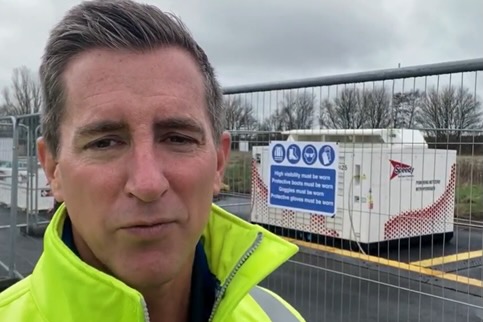
Galliford Try is spearheading an innovative approach to construction by utilizing green hydrogen to power a construction compound in Bootle, Merseyside—a first for a National Highways project. This groundbreaking initiative is part of a £7 million project to install new pedestrian crossings at the A5036 Dunnings Bridge Road and Park Lane crossroads at Netherton.
What Happened
Galliford Try, the lead constructor for the project, has implemented a hydrogen fuel cell generator to power the entire construction compound. This includes three site offices, toilets, a kitchen, a drying room, and two EV charging points, all operating on hydrogen since the project began in November. The project is slated for completion by June 12. The use of hydrogen marks a significant departure from traditional grid electricity or diesel generators, highlighting a commitment to sustainable construction practices.
Why It Matters for the AECM Industry
This pilot project is critical for the AECM industry as it demonstrates a viable path towards decarbonizing construction sites. By reducing reliance on fossil fuels, companies can decrease their carbon footprint, aligning with global sustainability goals. As hydrogen technology becomes more cost-effective, its adoption could lead to significant reductions in fuel costs and emissions, altering competitive dynamics by setting new industry standards. This initiative also mitigates risks associated with fluctuating fossil fuel prices and enhances compliance with evolving environmental regulations.
What's Next
As this technology is still in its pilot phase, the industry should monitor its cost trajectory and performance metrics. The success of this project could lead to broader adoption across National Highways projects and beyond, influencing policy and best practices. Stakeholders should watch for further developments in hydrogen technology and potential incentives or regulatory changes supporting its use.
Is your firm ready for what’s next?
VisioneerIT helps AECM and government contractors modernize operations, achieve compliance, and implement AI.
Explore VisioneerIT Solutions →