Digital transformation in construction is no longer optional; it's essential. Building Information Modelling (BIM), computer-aided design (CAD), and artificial intelligence (AI) are reshaping project planning and execution, driving efficiencies and sustainability in an industry traditionally slow to change.
What Happened
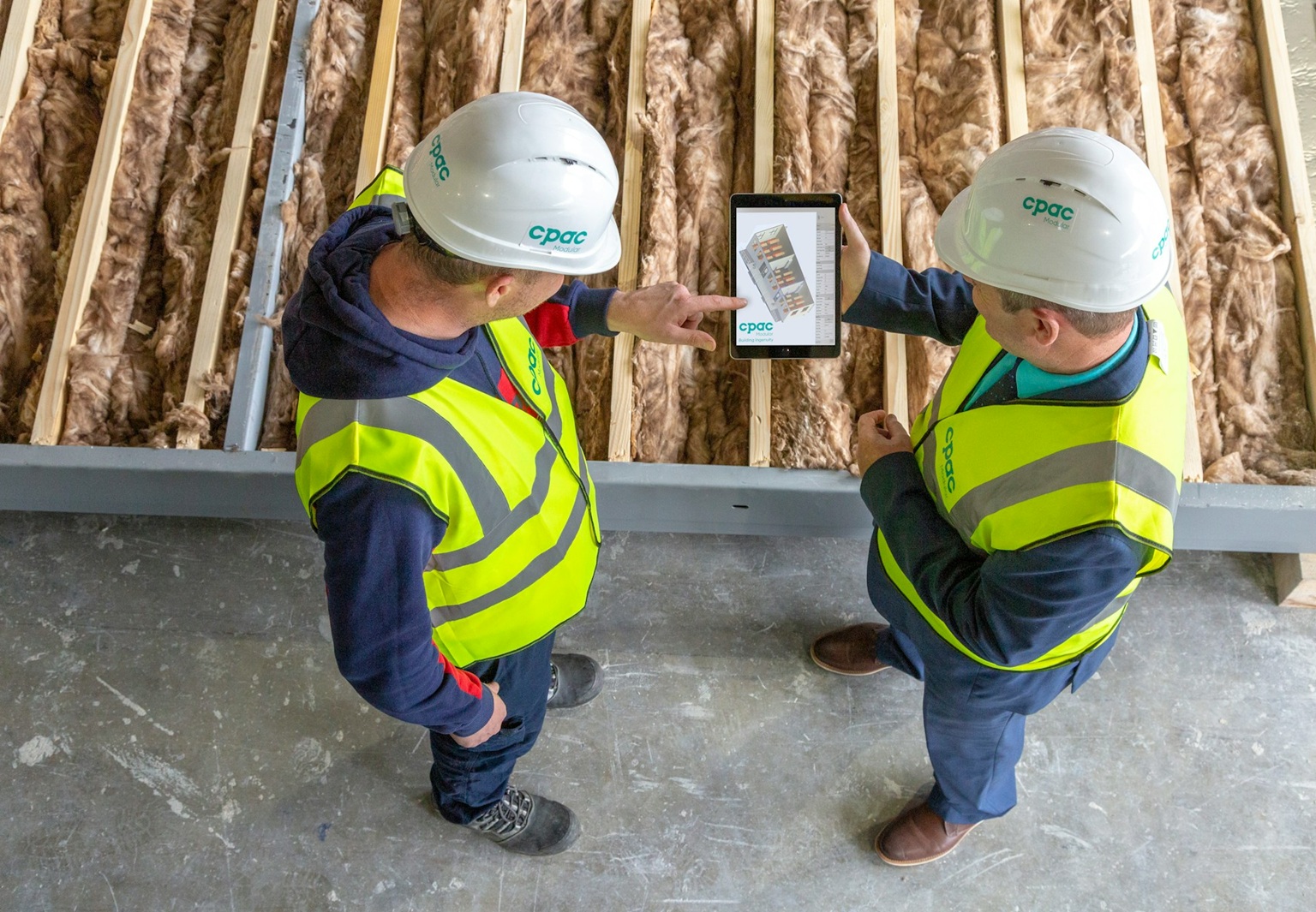
Construction design technology has become a cornerstone in how projects are conceived and executed. Tools like BIM and machine learning not only provide early insights into cost and carbon footprints but also streamline project workflows. BIM, for instance, integrates data into 3D models, enabling design and construction teams to detect and resolve clashes early, thus minimizing costly rework and delays. The integration of BIM with scheduling and cost data further enhances project coordination, reducing surprises and change orders on-site.
CAD remains pivotal in drafting, offering rapid revisions and allowing seamless updates as project scopes evolve. The integration of CAD and BIM ensures detailed drafting while maintaining rich project data. AI and machine learning are also making significant inroads. These technologies allow teams to predict energy performance and assess design scenarios efficiently. Generative design, for instance, produces layout options that meet specific goals such as energy efficiency, which designers can then refine.
Sustainability is another critical area where design technology is making an impact. BIM-based workflows facilitate early evaluation of embodied carbon, although there is room for improvement in leveraging these tools for early-stage decision-making.
What This Means for Your Business
For AECM leaders, the adoption of design technology translates into competitive advantages. The ability to foresee and mitigate risks through clash detection and predictive analytics can significantly reduce project timelines and costs. Furthermore, integrating BIM and AI into your workflows can enhance compliance with emerging sustainability standards, potentially opening doors to new federal contracts that prioritize green building practices.
The efficiency gains from these technologies can also improve ROI by decreasing material waste and labor hours, thus enhancing overall project profitability. As federal funding increasingly favors projects that demonstrate sustainable practices and digital readiness, investing in these technologies is not just a strategic move but a necessity to remain competitive.
What US Operators Should Watch
US operators should monitor federal procurement trends that increasingly emphasize digital and sustainable practices. Deadlines for compliance with new technology standards, such as CMMC and Zero Trust, are also critical. Keeping abreast of funding opportunities tied to digital infrastructure and green building initiatives will be crucial for securing future contracts.
Source: PBC Today. Read the original story ->
Partner Insight · VisioneerIT
The integration of Digital Twin technology with BIM data can enhance project planning and execution, allowing for real-time analytics and improved sustainability outcomes. By leveraging these advanced technologies, construction leaders can optimize their infrastructure and align with emerging sustainability standards.
Explore VisioneerIT Cybersecurity →
Is your firm ready for what’s next?
VisioneerIT helps AECM and government contractors modernize operations, achieve compliance, and implement AI.
Explore VisioneerIT Solutions →