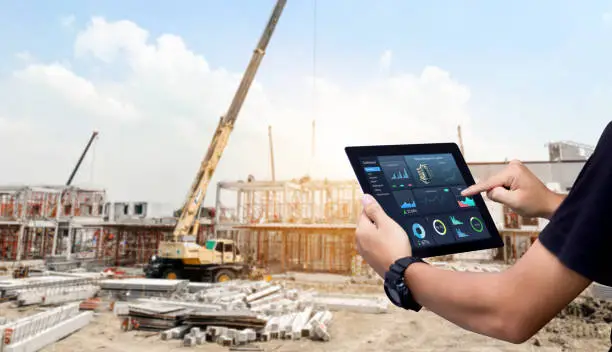
Construction is undergoing a digital transformation, driven by the adoption of cutting-edge technologies like Building Information Modeling (BIM) and Artificial Intelligence (AI). These tools promise increased efficiency and reduced costs, but they also introduce new challenges, particularly in the realm of claims and disputes.
What Happened
The construction industry is embracing digital tools such as BIM and AI at an unprecedented rate. BIM models are being used extensively for project coordination, enabling more precise planning and execution. AI is assisting in scheduling decisions and predictive analytics, allowing for better resource management and project timelines. This digital shift is intended to enhance productivity and reduce errors, which can lead to significant cost savings.
However, the integration of these technologies is also complicating the claims process. The data generated by BIM and AI tools can lead to disputes over responsibility and liability when projects do not go as planned. These tools create a digital trail that can be both a blessing and a curse in legal contexts, as it provides detailed records but also requires sophisticated understanding and interpretation.
What This Means for Your Business
For AECM professionals, the dual impact of these digital tools means greater efficiency but also necessitates a more nuanced approach to contracts and claims management. Firms must invest in training to ensure their teams can effectively use and interpret these technologies. Additionally, the sophistication of digital records means that companies need to adapt their compliance and risk management strategies to address potential legal complexities. This includes understanding how digital evidence is treated in claims and ensuring that project documentation aligns with industry standards and legal requirements.
Furthermore, companies should be prepared for changes in procurement processes. As digital tools become integral to construction projects, procurement strategies will need to incorporate considerations for technology integration and data management. This may also influence competitive positioning, as firms that effectively leverage digital tools may have an advantage in bidding for contracts.
What US Operators Should Watch
US operators in the construction sector should closely monitor developments in digital technology standards and regulations. Keeping abreast of updates in BIM standards and AI guidelines will be crucial for compliance and competitive advantage. Additionally, firms should prepare for potential changes in federal and state regulations regarding digital records and claims processes.
Decision-makers should also watch for upcoming procurement opportunities that emphasize digital competency. As government and private sector projects increasingly require digital integration, firms with robust digital capabilities will be better positioned to capitalize on these opportunities.
Source: https://pctechmag.com/2026/07/how-digital-technologies-in-construction-are-improving-productivity-and-complicating-claims/. Read the original story ->
Is your firm ready for what’s next?
VisioneerIT helps AECM and government contractors modernize operations, achieve compliance, and implement AI.
Explore VisioneerIT Solutions →