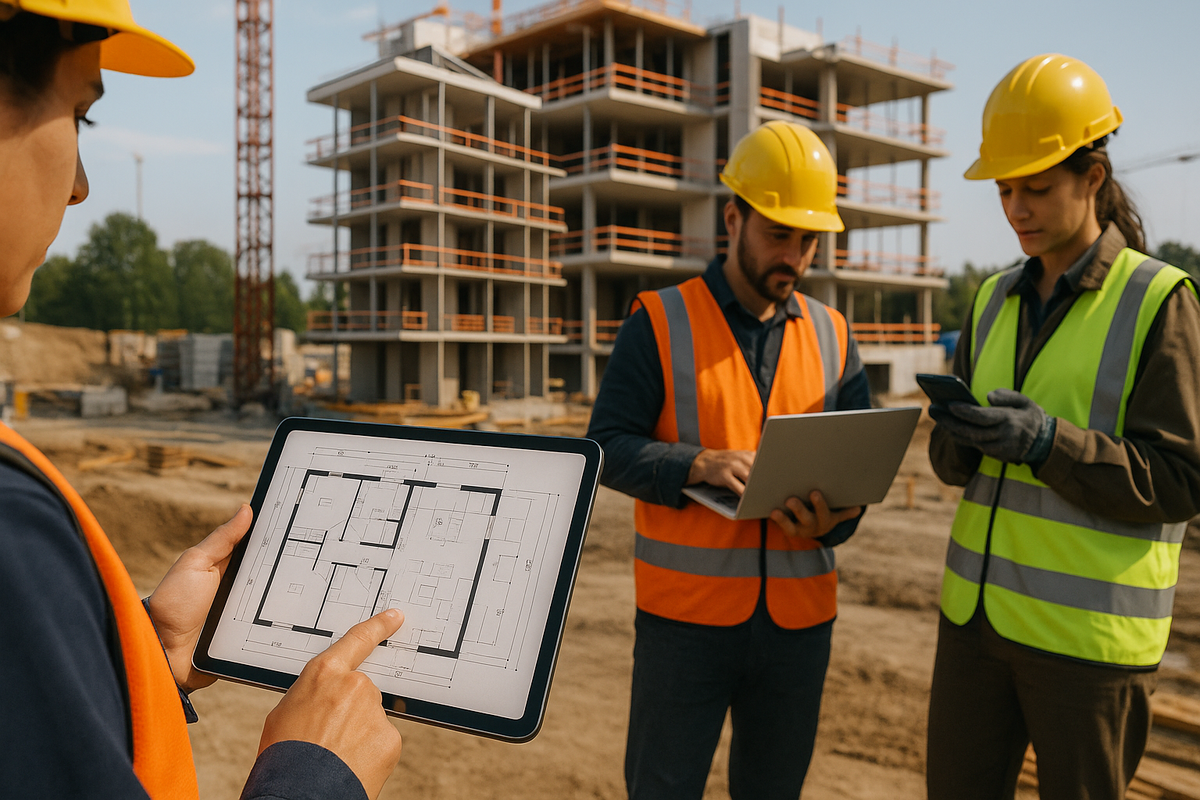
During the National Institute of Building Sciences Building Innovation conference held in September 2023, industry experts emphasized the transformative potential of digital permitting and AI tools in the construction sector. As the building industry grapples with increasing project complexities and timeline pressures, these technologies promise to streamline processes and improve efficiency.
What Happened
Speakers at the conference highlighted the role of digital tools in expediting project timelines and enhancing the review process. The National Institute of Building Sciences (NIBS) event underscored how these technologies are becoming integral to modern construction practices. Digital permitting, which allows for the electronic submission and review of building plans, was a focal point. This approach reduces the need for physical paperwork and minimizes the back-and-forth traditionally associated with permit approvals. AI tools, on the other hand, are being leveraged to analyze large datasets, predict project outcomes, and optimize resource allocation.
Why It Matters for the AECM Industry
The adoption of digital permitting and AI tools is poised to significantly impact the construction industry by reducing costs, shortening project schedules, and mitigating risks. For project managers, these technologies offer a way to streamline operations, thus reducing the likelihood of costly delays. Engineers and architects can benefit from AI-driven insights that enhance design accuracy and efficiency. Contractors and manufacturers might see improved supply chain management and resource utilization, leading to a more sustainable and competitive market position. Moreover, as the industry faces a skilled labor shortage, these technological advancements can help bridge the gap by automating routine tasks and allowing human resources to focus on more complex challenges.
What's Next
As digital permitting and AI tools gain traction, the industry can expect more municipalities and regulatory bodies to adopt electronic systems for plan submissions and reviews. This shift will likely drive further innovation and integration of AI in construction management software. Professionals should watch for policy updates and new software releases that facilitate these technologies. Staying informed about technological advancements and participating in pilot programs could provide a competitive edge in an increasingly digital construction landscape.
Is your firm ready for what’s next?
VisioneerIT helps AECM and government contractors modernize operations, achieve compliance, and implement AI.
Explore VisioneerIT Solutions →