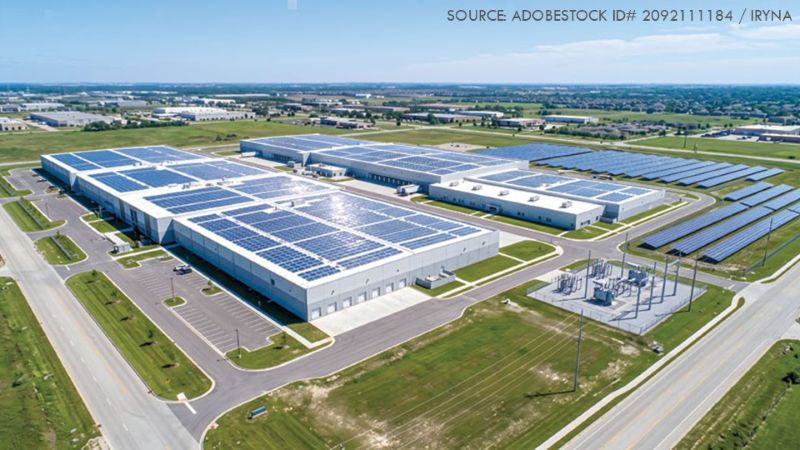
Data center construction has surged, tripling in the past two years, yet the availability of qualified metal building erectors has lagged significantly behind. This disparity is causing costly delays and financial strain on projects across the United States.
What Happened
In the last two years, data center construction has expanded at an unprecedented rate, with project starts reaching $77.7 billion in 2025, a 190% increase from 2024. By April 2026, $49.5 billion had already been invested in ongoing projects. The average cost of a data center project has skyrocketed to $475 million, up from $178 million just a year prior. However, the supply of skilled labor, particularly in the specialized trade of metal building erection, has not kept pace. This shortage is not a general labor issue but rather a deficit of workers with the specific skills required for Pre-Engineered Metal Building (PEMB) and Insulated Metal Panel (IMP) erection tasks, which are critical for data center construction.
Hyperscale data centers demand precise and timely execution, with schedules that leave little room for error. Unlike traditional industrial projects, where a delay might be inconvenient, a slip in data center construction timelines can lead to significant financial losses. For instance, a delay in a 60-megawatt facility can result in $14.2 million per month in deferred lease revenue. The construction timeline is tightly linked to the commissioning date, which is often set before construction even begins. This means that any delays in closing the building envelope directly affect the project's financial outcomes.
What This Means for Your Business
The shortage of qualified metal building erectors has direct implications for businesses involved in data center construction. Companies need to account for potential delays and increased costs associated with the scarcity of skilled labor. The construction industry is already facing challenges, with the Associated General Contractors' 2026 Hiring Outlook indicating that 82% of firms are struggling to fill craft positions. For data center projects, the quality of labor is even more critical, as the demands of envelope work are higher than those in most industrial construction projects. Businesses must consider these factors when planning and budgeting for data center projects.
Moreover, the limited availability of experienced erectors, particularly those familiar with specific building systems, exacerbates the issue. Crews accustomed to one manufacturer's system may face a learning curve when working with another, further slowing down the process. This highlights the need for strategic planning in workforce development and training to ensure that there is a sufficient pool of qualified workers who can meet the demands of hyperscale data center construction.
What US Operators Should Watch
US operators involved in data center construction should closely monitor developments in workforce training and apprenticeship programs. As the first formal national apprenticeship program for PEMB is set to launch in 2027, businesses should prepare to engage with these initiatives to secure a pipeline of skilled labor. Additionally, keeping track of regional demands and the availability of experienced crews in key construction hubs like Northern Virginia, Phoenix, and Dallas will be crucial for managing project timelines and costs.
Businesses should also be aware of the evolving standards and requirements for data center construction, ensuring that their teams are equipped with the necessary skills and knowledge to meet these demands. By staying informed and proactive, companies can better navigate the challenges posed by the skilled labor shortage and capitalize on the growing opportunities in the data center construction market.
Is your firm ready for what’s next?
VisioneerIT helps AECM and government contractors modernize operations, achieve compliance, and implement AI.
Explore VisioneerIT Solutions →