Automation in data centers is undergoing a significant transformation, branching out from traditional controls to manage power and cooling dynamically in response to real-time computing demands. This change is crucial for optimizing power usage effectiveness (PUE) and enhancing operational performance, as outlined by industry experts from HDR, Jacobs, and IMEG.
What Happened
Data centers are increasingly adopting advanced automation technologies to manage complex systems efficiently. Ken Urbanek, from IMEG, highlights the shift towards automated power monitoring and response systems that adapt to fluctuating computing demands. This innovation is vital for maintaining temperature optimization critical to PUE. Furthermore, Building Information Modeling (BIM) is evolving beyond design-centric applications to become integral in operations and maintenance, according to Brook Gummere of HDR. BIM now assists in tracking equipment, managing maintenance schedules, and facilitating offsite fabrication, which speeds up project timelines.
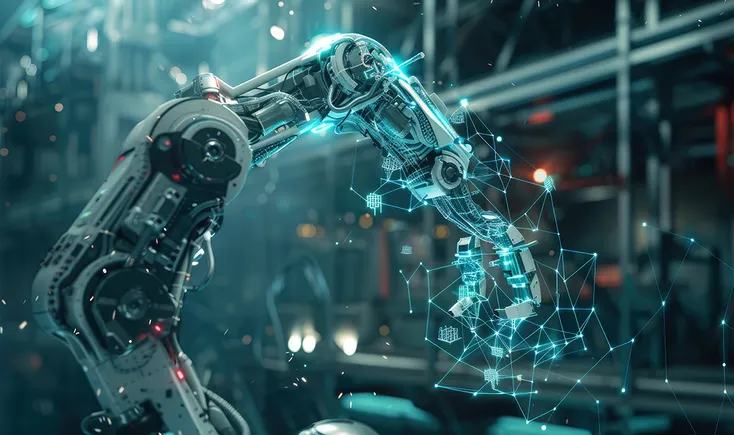
The deployment of digital twins and predictive analytics is also on the rise. These technologies offer real-time monitoring and predictive maintenance capabilities that are becoming essential as data centers expand in scale and complexity. Kenneth Kutsmeda from Jacobs notes that smart grid deployments, which include sensors and advanced metering, provide high-resolution monitoring of equipment. This allows for early detection of equipment degradation and abnormal operating patterns, enabling a shift from reactive to predictive maintenance.
Why It Matters for the AECM Industry
The integration of automation, BIM, and digital twins in data centers poses significant implications for the AECM industry. For engineers and contractors, these technologies can reduce project timelines and minimize risks associated with design and construction. The ability to simulate and test operational changes virtually with digital twins reduces the likelihood of costly errors and downtime. Furthermore, predictive maintenance facilitated by real-time analytics can prolong equipment life and enhance reliability, which is crucial in an industry where uptime is paramount.
Cost efficiencies are also a major consideration. Automation and advanced analytics can he
Partner Insight · VisioneerIT
As data centers increasingly adopt automation and digital twins, VisioneerIT's expertise in software engineering and digital modernization can help streamline these transitions. Our services include full-stack development and workflow automation to enhance operational efficiency.
Explore VisioneerIT Cybersecurity →
Is your firm ready for what’s next?
VisioneerIT helps AECM and government contractors modernize operations, achieve compliance, and implement AI.
Explore VisioneerIT Solutions →