The Defense Advanced Research Projects Agency (DARPA) is gearing up for a pivotal mission that could redefine satellite management in geosynchronous orbit. Scheduled for a summer 2026 launch, the Robotic Servicing of Geosynchronous Satellites (RSGS) project aims to demonstrate unprecedented on-orbit maintenance and upgrade capabilities. This mission marks a significant step toward commercializing robotic satellite servicing technologies, which could revolutionize how the aerospace industry handles aging satellites.
What Happened
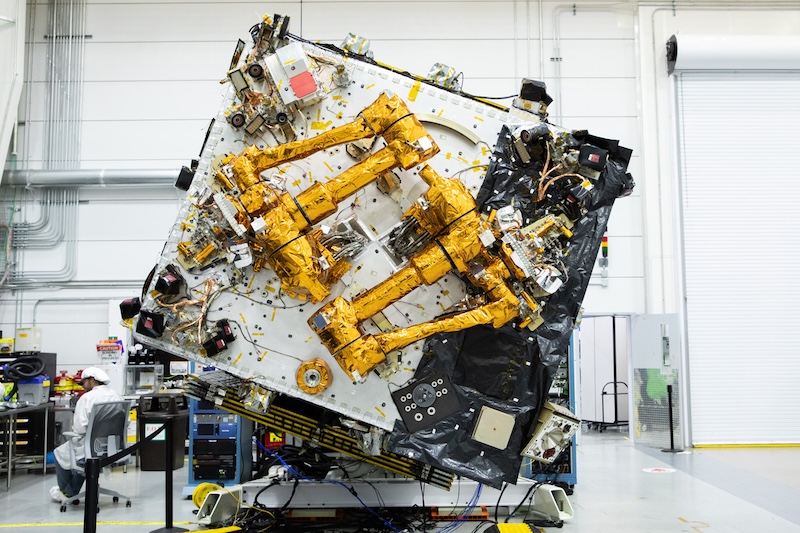
DARPA, alongside partners like the Naval Research Laboratory and NASA, is preparing to launch the Mission Robotic Vehicle (MRV) as part of the RSGS mission. This spacecraft boasts a sophisticated robotic servicing system designed for intricate tasks such as satellite inspections, repairs, relocations, upgrades, and anomaly resolutions in orbit. The focus is on geosynchronous orbit (GEO), a region 36,000 kilometers above Earth, home to numerous commercial, military, and government satellites. SpaceLogistics, a subsidiary of Northrop Grumman, is tasked with integrating the system, ensuring the seamless combination of government-developed robotics with existing commercial spacecraft infrastructures.
During a recent update, RSGS Program Manager James Shoemaker highlighted the mission's potential to prove the commercial viability of on-orbit servicing in GEO. This initiative aims to transition the satellite industry from a model that treats spacecraft as disposable to one that supports sustainable, long-term asset management through robotic servicing.
Why It Matters for the AECM Industry
Robotic satellite servicing could significantly impact the AECM industry by introducing a new paradigm in space asset management. By extending the operational life of satellites, the need for costly replacements is reduced, potentially lowering long-term expenses. The ability to upgrade or repair satellites without returning them to Earth could enhance the resilience and sustainability of space infrastructure. Additionally, this mission could catalyze the development of new markets for in-space assembly, manufacturing, and infrastructure maintenance, offering fresh opportunities for contractors and engineers.
For project managers and engineers, the 2026 Robotics Summit & Expo provides insights into future automation trends that could complement these advancements.
Is your firm ready for what’s next?
VisioneerIT helps AECM and government contractors modernize operations, achieve compliance, and implement AI.
Explore VisioneerIT Solutions →