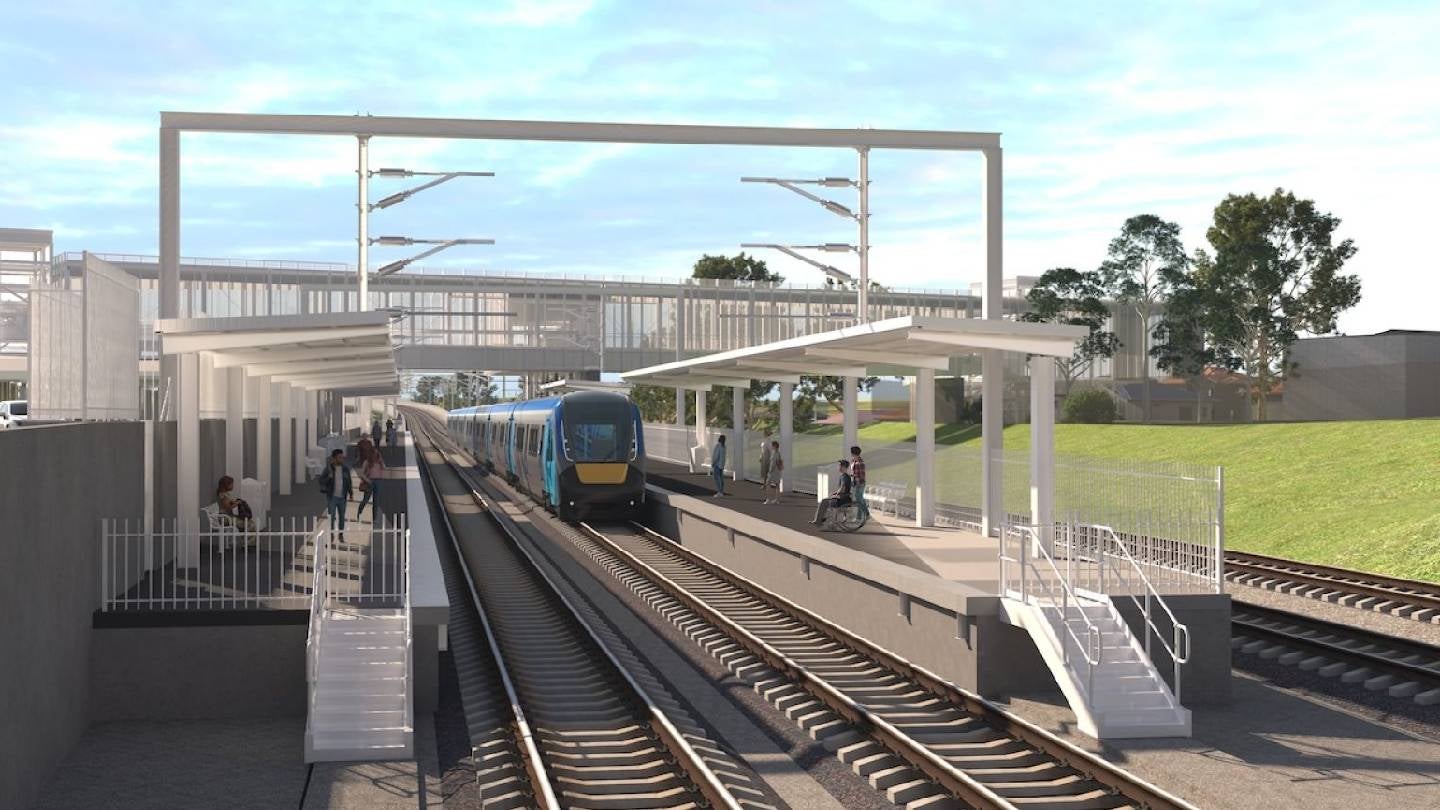
Digital transformation in the construction industry is advancing rapidly, opening new avenues for efficiency and collaboration. However, it also ushers in significant cybersecurity risks that stakeholders must address to safeguard sensitive data and maintain operational integrity.
What Happened
As construction companies increasingly adopt digital tools like Building Information Modeling (BIM), common data environments (CDEs), and cloud-based platforms, the cybersecurity landscape becomes more complex. This digital shift creates numerous entry points for potential cyberattacks, as illustrated by the 2025 vulnerability in Trimble’s Cityworks software, which allowed attackers to execute remote code on Microsoft IIS servers. The incident highlights the critical need for robust security measures, as attackers could exploit such vulnerabilities to steal sensitive information or disrupt operations. Major software vendors like Autodesk, Trimble, Nemetschek, and Bentley Systems are pivotal in this digital ecosystem, providing platforms used across numerous projects. These platforms, while enhancing data management and collaboration, also represent high-value targets for cybercriminals.
What This Means for Your Business
For businesses in the Architecture, Engineering, Construction, and Manufacturing (AECM) sectors, the integration of digital tools necessitates a reevaluation of cybersecurity strategies. Companies must prioritize strong identity and access management, implement multi-factor authentication, and ensure secure configurations and regular backups. The risk of systemic third-party vulnerabilities calls for rigorous vetting of software vendors and their security practices. Compliance with standards like ISO 27001 is essential to mitigate risks associated with cloud-based platforms. Furthermore, as AI becomes integral to construction processes—enhancing project planning and maintenance predictions—companies must safeguard against data breaches that could lead to inaccurate AI outputs and potential operational failures. The convergence of IT and operational technology (OT) systems in construction sites further complicates the security landscape, necessitating comprehensive protection measures across all technological interfaces.
What US Operators Should Watch
US operators must stay vigilant of evolving cybersecurity threats and regulatory requirements. They should track updates from software vendors, such as security patches and vulnerability disclosures, and ensure timely implementation to protect their systems. With the ongoing digital transformation, maintaining compliance with cybersecurity frameworks like the Cybersecurity Maturity Model Certification (CMMC) and National Institute of Standards and Technology (NIST) guidelines will be crucial. Additionally, monitoring federal procurement opportunities that emphasize cybersecurity compliance can provide competitive advantages in government contracting.
---
Source: https://www.worldconstructionnetwork.com/analyst-comment/digitalising-construction-cybersecurity/
Partner Insight · VisioneerIT
As construction companies increasingly adopt digital tools, the importance of robust cybersecurity measures becomes paramount to protect sensitive data and maintain operational integrity. VisioneerIT offers comprehensive cybersecurity consulting to help businesses navigate these challenges and achieve compliance with necessary frameworks.
Explore VisioneerIT Cybersecurity →
Is your firm ready for what’s next?
VisioneerIT helps AECM and government contractors modernize operations, achieve compliance, and implement AI.
Explore VisioneerIT Solutions →