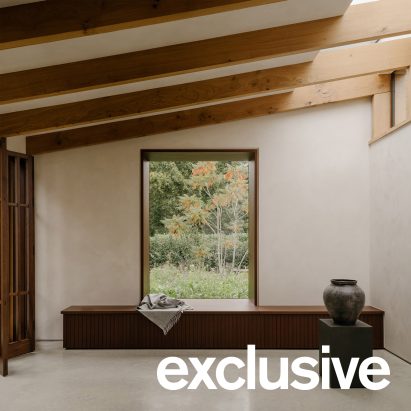
A recent architectural feat by Will Gamble Architects has breathed new life into a Grade-II listed cottage in Northwood, UK, seamlessly blending traditional English architecture with Sri Lankan design elements. This transformation is not just an aesthetic triumph but also a testament to the growing trend of culturally infused architectural projects that respect historical integrity while embracing modern innovation.
What Happened
The project, named Muttram Veedu, introduces a timber-framed glazed link and courtyard garden, drawing inspiration from traditional Sri Lankan courtyard houses. The architects undertook this project for clients with Sri Lankan heritage, aiming to reflect their cultural background within the design. By integrating these elements into the Grade-II listed structure, Will Gamble Architects has demonstrated a sophisticated approach to maintaining historical significance while incorporating contemporary design features. The use of the Tamil term "Muttram Veedu" highlights the cultural homage paid by this project, emphasizing the importance of cultural sensitivity in architecture.
What This Means for Your Business
For AECM professionals, the Muttram Veedu project underscores the importance of culturally sensitive design in today's global market. It presents a unique opportunity for architects and contractors to explore innovative design solutions that honor diverse cultural heritages while meeting modern standards. This approach can open doors to niche markets and clientele who seek personalized, culturally resonant spaces. Furthermore, as sustainability and heritage conservation gain prominence, projects like this can serve as a blueprint for balancing modernity with tradition, potentially leading to increased demand for specialized design and construction expertise.
What US Operators Should Watch
US operators should keep an eye on the emerging trend of culturally integrated architectural projects, as they may influence future design and procurement decisions. Additionally, monitoring advancements in materials and techniques that allow for the preservation of historical sites while incorporating modern elements could prove advantageous. Keeping abreast of regulatory changes regarding heritage site modifications, both domestically and internationally, will ensure compliance and competitive positioning in this evolving landscape.
Source: Dezeen
Is your firm ready for what’s next?
VisioneerIT helps AECM and government contractors modernize operations, achieve compliance, and implement AI.
Explore VisioneerIT Solutions →