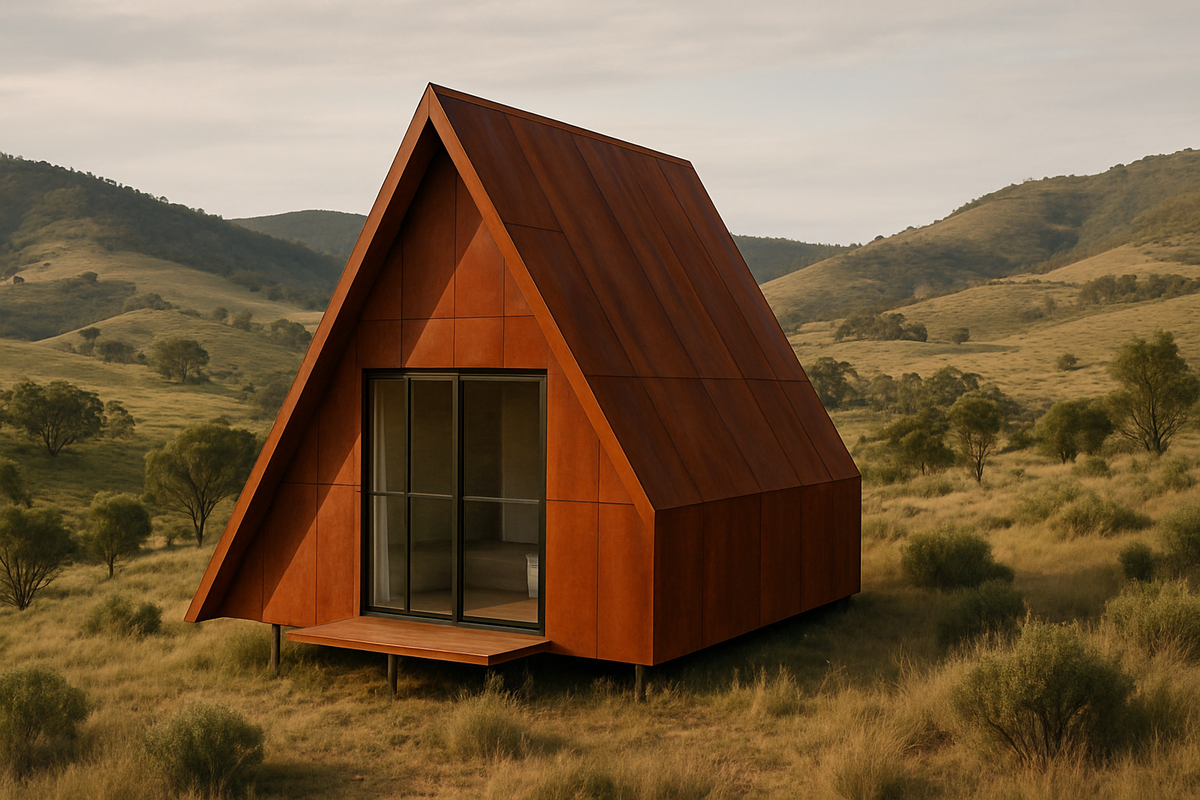
Australian studio Casey Brown Architecture is making waves with its latest project, Permanent Camping III (PC3), which features two striking Corten steel cabins designed to mimic the silhouette of pitched tents. Situated on a cattle farm near Orange, New South Wales, these boutique accommodations are not only a nod to the region's rich Aboriginal heritage but also a testament to sustainable architectural practices.
What Happened
Casey Brown Architecture has unveiled its latest project, Permanent Camping III, in New South Wales, Australia. The cabins, made from Corten steel, are designed to resemble pitched tents, offering a unique blend of modern architecture and traditional camping aesthetics. Located on a working cattle farm on Wiradjuri Country, the largest Aboriginal nation in New South Wales, these structures serve as boutique accommodations for tourists seeking an immersive rural experience. The choice of Corten steel is particularly notable for its natural weathering properties, which allow the cabins to blend seamlessly into the landscape over time. This project continues Casey Brown's tradition of creating environmentally sensitive and aesthetically compelling structures.
What This Means for Your Business
For architecture and construction firms, Casey Brown's PC3 project highlights the growing demand for eco-friendly and culturally sensitive tourism accommodations. The use of Corten steel not only provides durability and low maintenance but also aligns with sustainable building practices that are increasingly prioritized by both clients and governing bodies. Firms engaged in similar projects can capitalize on this trend by incorporating indigenous cultural elements and sustainable materials into their designs, potentially opening doors to new contracts in the burgeoning eco-tourism market. Additionally, this project underscores the importance of integrating architecture with its natural surroundings, a practice that is becoming a hallmark of modern design.
What US Operators Should Watch
US architecture and construction firms should monitor the rising trend of eco-tourism accommodations that emphasize sustainability and cultural integration. As federal and state regulations increasingly favor sustainable practices, firms that innovate in these areas may gain competitive advantages. Additionally, keeping an eye on projects like PC3 can provide valuable insights into design trends and client preferences, which can inform strategic pl
Is your firm ready for what’s next?
VisioneerIT helps AECM and government contractors modernize operations, achieve compliance, and implement AI.
Explore VisioneerIT Solutions →Tracking the right federal opportunities?
OryonIQ's AI platform monitors agency forecasts, contract awards, and procurement timelines — so government contractors always know what’s coming next.
Try OryonIQ Free →