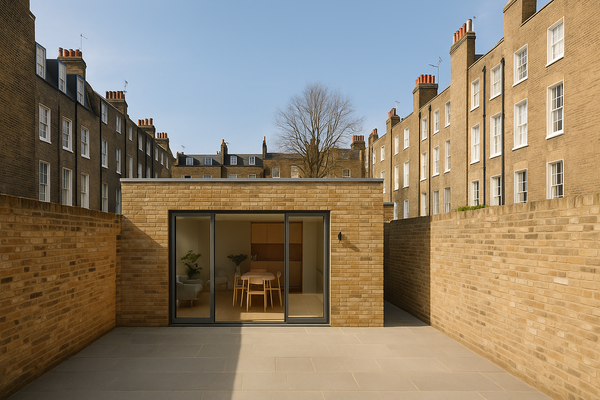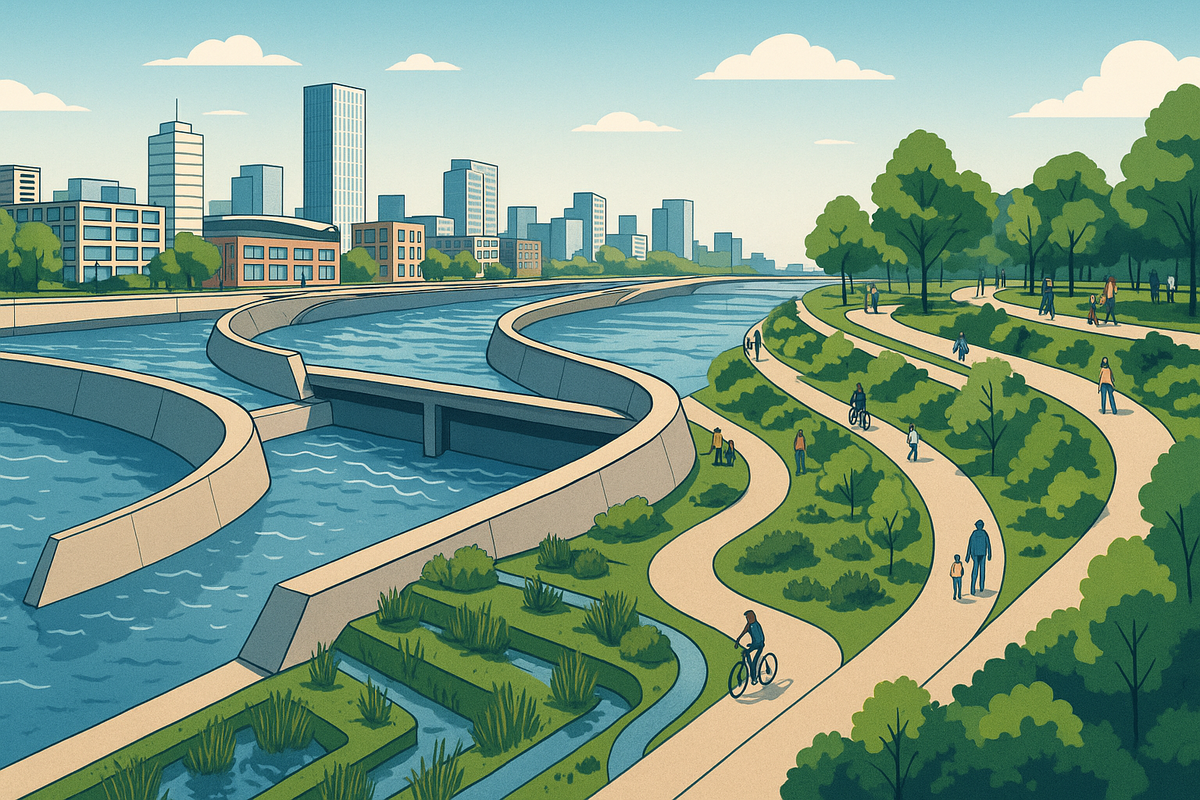
The University of Sheffield is spearheading groundbreaking landscape architecture projects aimed at addressing climate change challenges, such as rising sea levels in Hull, UK. As global environmental concerns intensify, these projects offer valuable insights and potential strategies for AECM professionals in the United States.
What Happened
The University of Sheffield's landscape architecture department has unveiled a series of projects focusing on environmental sustainability and urban transformation. Among these is a proposal specifically designed to combat the threat of rising sea levels in Hull, a city particularly vulnerable to climate change due to its low-lying geography. This initiative is part of a broader effort to integrate natural solutions into urban planning, with additional projects including the reinvention of Manchester's "lost water spaces" and the rewilding of suburban Sheffield areas.
These projects, showcased at the University of Sheffield, highlight innovative approaches to landscape architecture that prioritize ecological balance and community engagement. The Hull project, in particular, aims to create resilient infrastructures that can withstand the pressures of climate change, setting a precedent for similar coastal cities worldwide.
What This Means for Your Business
For AECM and government contracting professionals in the United States, the University of Sheffield's initiatives underscore the growing importance of incorporating climate resilience into urban development plans. As federal and state governments increasingly prioritize sustainability in procurement decisions, businesses in the architecture and construction sectors must adapt to these evolving standards.
Projects like the one in Hull demonstrate the potential for landscape architecture to play a pivotal role in mitigating climate risks, offering a competitive edge to firms that can integrate such innovative solutions. Furthermore, these projects could inspire U.S. operators to pursue federal funding opportunities focused on sustainable urban development and climate adaptation, enhancing both compliance and competitive positioning in the market.
What US Operators Should Watch
U.S. companies should closely monitor federal initiatives related to climate change adaptation and urban resilience. Key deadlines may include grant applications for infrastructure projects that incorporate sustainable and adaptive design elements. Additionally, staying informed on evolving compliance requirements, such as those related to the National Institute of Standards and Technology (NIST) and Zero Trust frameworks, will be crucial for maintaining a competitive edge and securing government contracts.
Source: Dezeen. Read the original story ->
Is your firm ready for what’s next?
VisioneerIT helps AECM and government contractors modernize operations, achieve compliance, and implement AI.
Explore VisioneerIT Solutions →Tracking the right federal opportunities?
OryonIQ's AI platform monitors agency forecasts, contract awards, and procurement timelines — so government contractors always know what’s coming next.
Try OryonIQ Free →