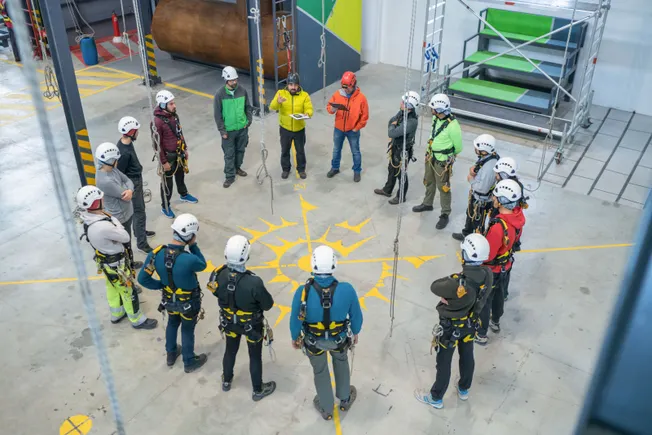
The construction sector faces a pressing labor shortage, with 349,000 new workers needed this year, according to the Associated Builders and Contractors. This gap presents both a challenge and an opportunity for employers to redefine workforce development strategies.
What Happened
The construction industry is grappling with a significant labor shortage, as highlighted by a recent survey from the Associated General Contractors of America and the National Center for Construction Education and Research. The survey reveals that 87% of contractors have current openings for hourly craft workers, and 88% of these contractors report that these positions are as difficult, or more difficult, to fill compared to last year. This shortage underscores the need for more strategic recruitment and retention efforts.
Industry leaders, such as David Grandstaff, Midwest president for Adolfson & Peterson Construction, emphasize the importance of investing in career education and upskilling to address this gap. As technology and artificial intelligence become more integrated into construction processes, the demand for skilled workers who can adapt and thrive in this evolving environment is more critical than ever.
What This Means for Your Business
For AECM businesses, this labor shortage calls for a reevaluation of hiring and training practices. Employers should focus on creating pathways into the trades through early exposure and career education. However, the responsibility extends beyond recruitment. Developing and retaining skilled workers is crucial for long-term success.
Businesses can enhance their competitive positioning by fostering a mentorship culture where experienced leaders pass on valuable knowledge through hands-on coaching. This approach not only builds a capable workforce but also supports succession planning, ensuring that new leaders are ready to step up when needed.
Additionally, companies should consider leveraging federal funding opportunities aimed at workforce development and training programs. By aligning with these initiatives, businesses can potentially reduce training costs and improve their return on investment.
What US Operators Should Watch
US operators need to stay informed about federal deadlines and funding opportunities related to workforce development. Additionally, keeping track of changes in compliance requirements, such as those related to cybersecurity and technology integration, is essential for maintaining a competitive edge.
As the demand for skilled workers continues to rise, businesses should also monitor industry trends and adapt their strategies accordingly. This includes investing in technology that enhances productivity while prioritizing the development of human capital.
Is your firm ready for what’s next?
VisioneerIT helps AECM and government contractors modernize operations, achieve compliance, and implement AI.
Explore VisioneerIT Solutions →