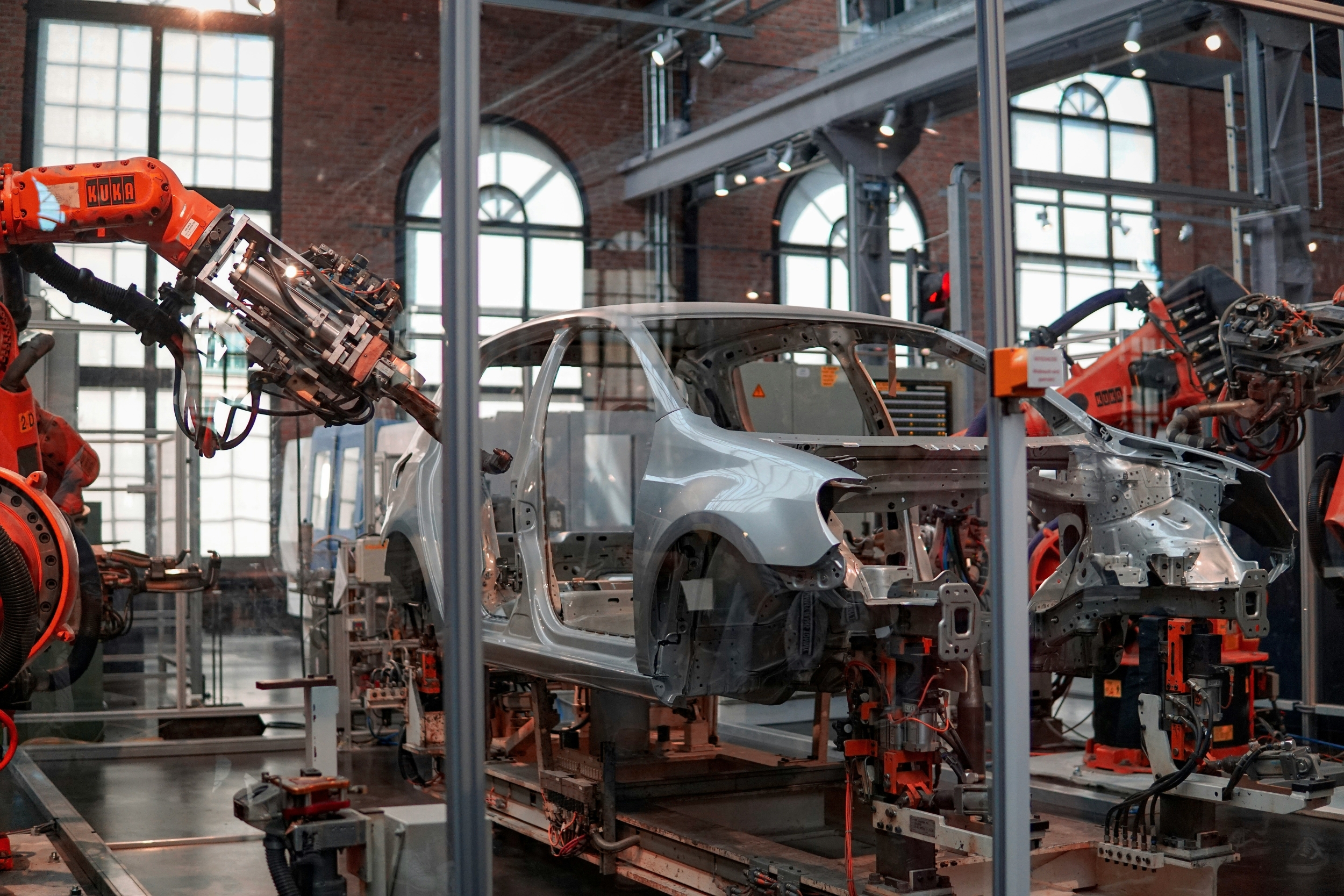
The integration of collaborative robots (cobots) with autonomous mobile robots (AMRs) is transforming the landscape of warehouse operations, promising significant advancements in productivity and efficiency. As the demand for automation grows in response to labor shortages and increased productivity needs, cobots are quickly becoming a crucial component in modern industrial environments.
What Happened
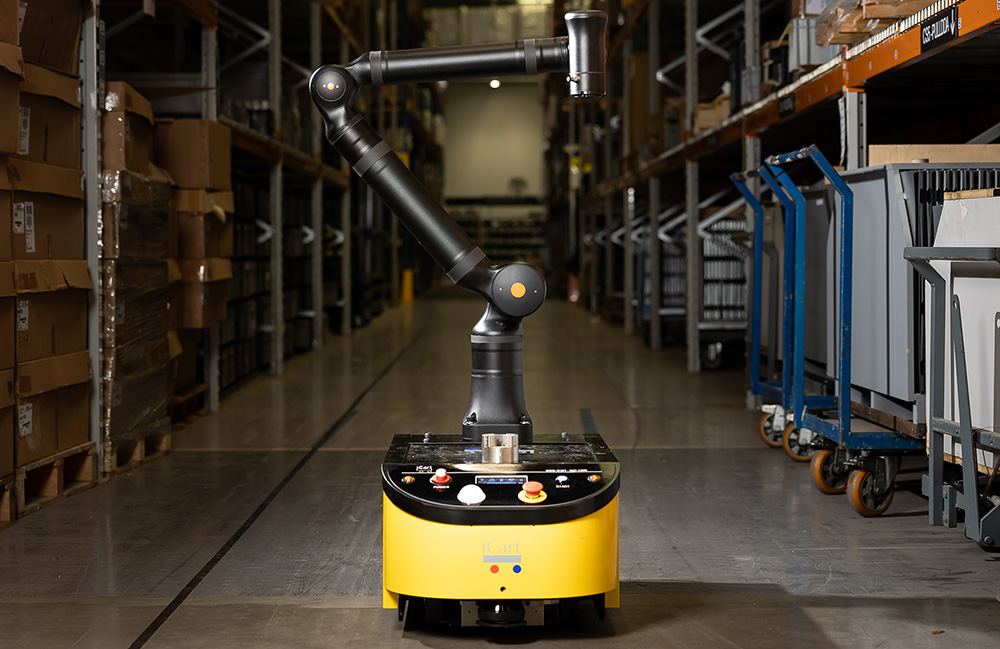
The rise of cobots, particularly those with seven-axis models, is altering how warehouses manage tasks such as pick-and-place, palletizing, and machine tending. These cobots, which can be mounted on AMRs, offer a greater range of motion and can access difficult-to-reach areas, enhancing precision in repetitive tasks like picking, assembly, screwing, labeling, and welding. The integration of these technologies not only streamlines workflows but also reduces the necessity for multiple static cobot and industrial robot arm stations, minimizing manual touchpoints for workers.
Kassow Robots, a notable player in this field, has developed cobots that incorporate an integrated backdrive, facilitating easier positioning and programming. This innovation allows the cobots to operate directly off AMR batteries, eliminating the need for bulky control cabinets and reducing the overall footprint within a facility. By replacing static cobot arms with mobile seven-axis arms on AMRs, companies can achieve better workspace optimization and more efficient operations.
What This Means for Your Business
For businesses in the architecture, engineering, construction, and manufacturing (AECM) sectors, the integration of cobots and AMRs presents a significant opportunity for enhancing operational efficiency. The reduction in manual labor and the increased precision offered by these technologies can lead to substantial cost savings and improved return on investment (ROI). Additionally, the compact nature of these integrated systems can help businesses optimize their facility layouts, allowing for more flexible and adaptive production environments.
From a compliance perspective, companies must remain vigilant in maintaining safety protocols. While cobots and AMRs are designed for safer interaction, regular safety assessments of workcells, workpieces, and processes are essential to ensure compliance with industry standards like the Cybersecurity Maturity Model Certification (CMMC) and National Institute of Standards and Technology (NIST) guidelines.
What US Operators Should Watch
As the adoption of cobots and AMRs continues to grow, US operators should monitor developments in federal funding opportunities that support automation and robotics integration. Keeping an eye on procurement windows and regulatory timelines will be crucial for businesses looking to stay competitive. Additionally, staying informed about advancements in AMR technology, such as improvements in lidar and autonomous navigation, will be essential for maintaining a competitive edge in the market.
Source: The Robot Report. Read the original story ->
Is your firm ready for what’s next?
VisioneerIT helps AECM and government contractors modernize operations, achieve compliance, and implement AI.
Explore VisioneerIT Solutions →Tracking the right federal opportunities?
OryonIQ's AI platform monitors agency forecasts, contract awards, and procurement timelines — so government contractors always know what’s coming next.
Try OryonIQ Free →