Farmers across the United States are grappling with unprecedented challenges in 2026, from escalating supply costs due to global trade wars to unpredictable weather patterns impacting harvests. As these pressures mount, the agricultural sector is turning to robotics as a viable solution. CNH Industrial, a leader in this technological revolution, believes that advanced robotics can help farmers meet these challenges head-on.
What Happened
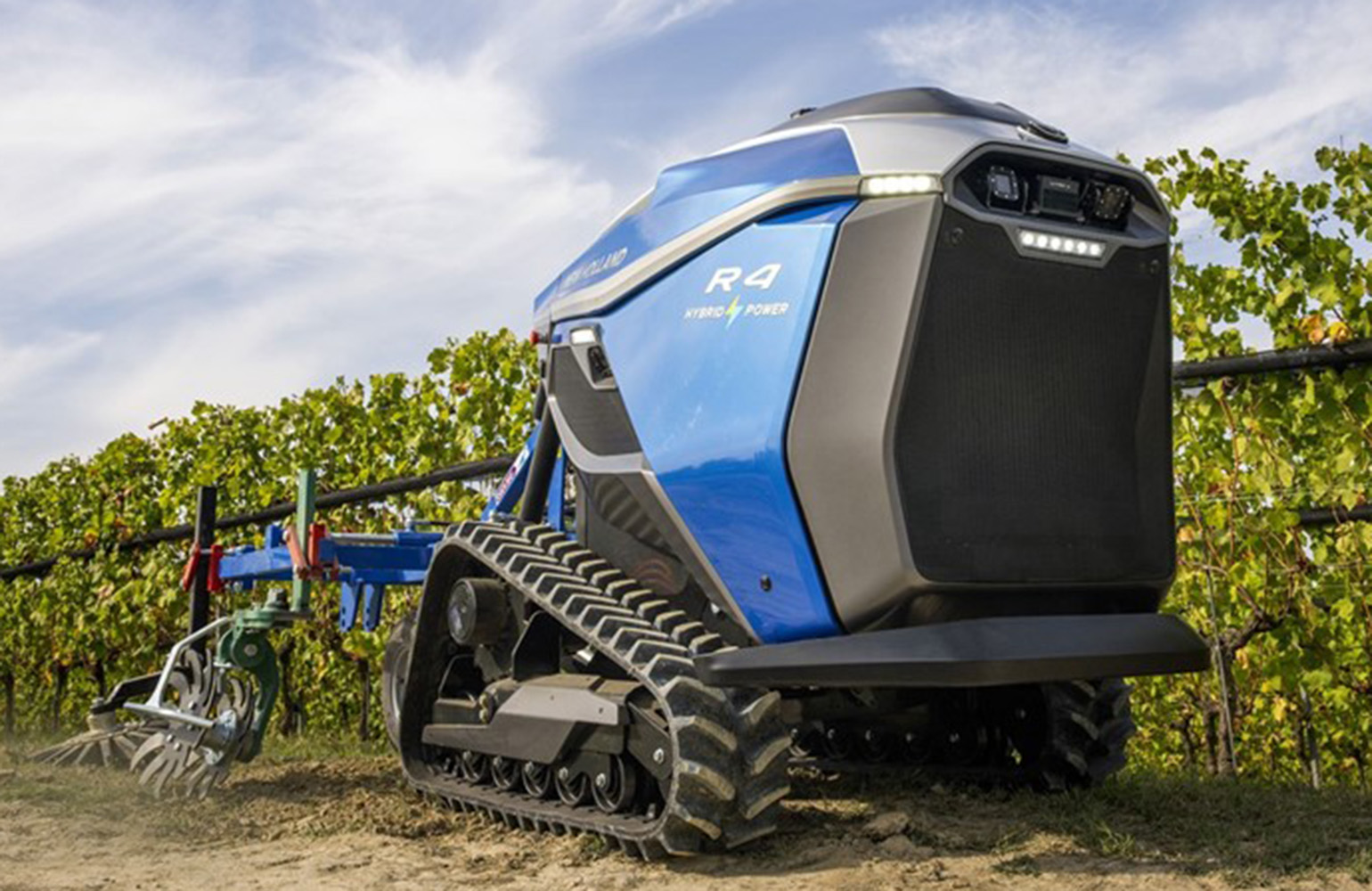
CNH Industrial has introduced the R4 robot, designed to assist vineyard, orchard, and specialty crop growers in overcoming sector-specific challenges. According to Luca Ferrari, CNH's senior manager of robotics and breakthrough technologies, labor availability, costs, productivity, and efficiency are primary concerns for their clients. Farmers are increasingly adopting technology not for its novelty but for its ability to solve real-world problems and enhance operational value. The R4 robot exemplifies this shift, integrating advanced AI and sensing technologies to perform complex tasks autonomously. CNH's FieldOps, a farm management platform, further supports this transformation by enabling real-time monitoring and remote display viewing, connecting various machines to provide a holistic view of farm operations.
What This Means for Your Business
For businesses involved in architecture, engineering, construction, and manufacturing (AECM), the integration of robotics in agriculture presents new opportunities. The demand for advanced robotics solutions opens avenues for partnerships and innovations in designing and manufacturing these technologies. For government contractors, particularly those involved in defense and industrial projects, understanding the compliance requirements related to AI and robotics, such as CMMC and NIST, will be crucial. The transition to robotics-driven agriculture also emphasizes the importance of data management, requiring firms to develop or enhance capabilities in data analytics and AI integration to remain competitive.
What US Operators Should Watch
Operators should closely monitor federal funding opportunities for agricultural technology advancements, as well as procurement windows for robotics solutions. Staying abreast of developments in AI, machine vision, and sensing technologies will be vital, as these areas are rapidly evolving and directly impacting the capabilities of autonomous agricultural systems. Additionally, understanding the timelines for compliance audits, such as those for CMMC, will help ensure that businesses remain aligned with federal requirements.
Is your firm ready for what’s next?
VisioneerIT helps AECM and government contractors modernize operations, achieve compliance, and implement AI.
Explore VisioneerIT Solutions →