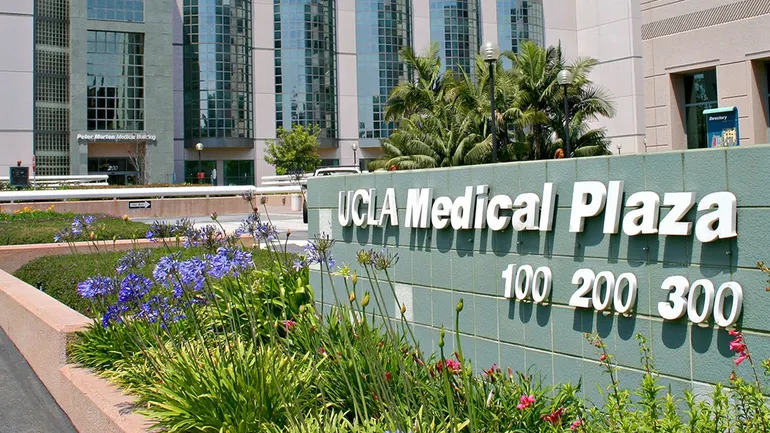
California’s 2030 seismic deadline is creating a construction crunch in the hospital sector, with Suffolk Construction highlighting significant challenges related to equipment lead times and pricing. This looming deadline requires acute care hospital buildings to meet stringent seismic standards by January 1, 2030, ensuring they remain operational post-earthquake. The situation presents a critical juncture for AECM professionals as hospitals scramble to upgrade facilities, potentially leading to bottlenecks in equipment supply and increased competition for resources.
What Happened
California's seismic legislation mandates that general acute care hospitals comply with specific structural and nonstructural standards by 2030. Failure to meet these standards could result in hospitals losing their licenses to provide acute care services. Suffolk Construction, a major player in healthcare construction, reports that this has significantly increased demand for hospital upgrades and replacement projects. Bobby Eagar, Suffolk’s senior vice president of Southern California healthcare, and Louis Martinelli, head of Suffolk’s Freedom Source procurement team, emphasize the need for early planning and coordination with hospital teams, especially since many facilities must remain operational during construction.
The deadline is exacerbating existing challenges in the construction sector, particularly concerning equipment procurement. Martinelli notes that equipment lead times are extending project schedules, compounded by the need to comply with the California Department of Health Care Access and Information (HCAI) seismic compliance planning and review requirements. This regulatory landscape necessitates precise alignment of procurement processes to maintain project timelines.
What This Means for Your Business
For AECM professionals, the 2030 deadline represents both a challenge and an opportunity. The increased demand for hospital construction projects could lead to lucrative contracts, but also necessitates strategic planning to navigate equipment procurement challenges and regulatory compliance. Companies must focus on early identification of equipment needs and develop robust coordination with suppliers to avoid project delays. Additionally, understanding financing conditions, such as interest rates, is crucial as they influence the timing of project approvals and funding.
Compliance with California’s seismic standards is non-negotiable. Firms involved in hospital construction must prioritize meeting these regulations to avoid penalties and ensure continuous operation of healthcare services. This environment underscores the importance of integrating compliance with CMMC and NIST standards into project planning to enhance security and operational resilience.
What US Operators Should Watch
AECM professionals should closely monitor key deadlines related to California’s seismic compliance, particularly the January 1, 2030, deadline for acute care hospitals. Additionally, staying informed about changes in interest rates and financing conditions will be crucial for timing project approvals and securing funding. Companies should also keep an eye on potential supply chain disruptions and plan procurement strategies accordingly to mitigate risks associated with extended lead times.
Is your firm ready for what’s next?
VisioneerIT helps AECM and government contractors modernize operations, achieve compliance, and implement AI.
Explore VisioneerIT Solutions →