California's ambitious high-speed rail project is on the brink of financial insolvency by 2027, according to a recent report from the state's Office of Inspector General. This warning raises significant concerns for stakeholders across the construction and engineering sectors, especially those involved in large-scale infrastructure projects.
What Happened
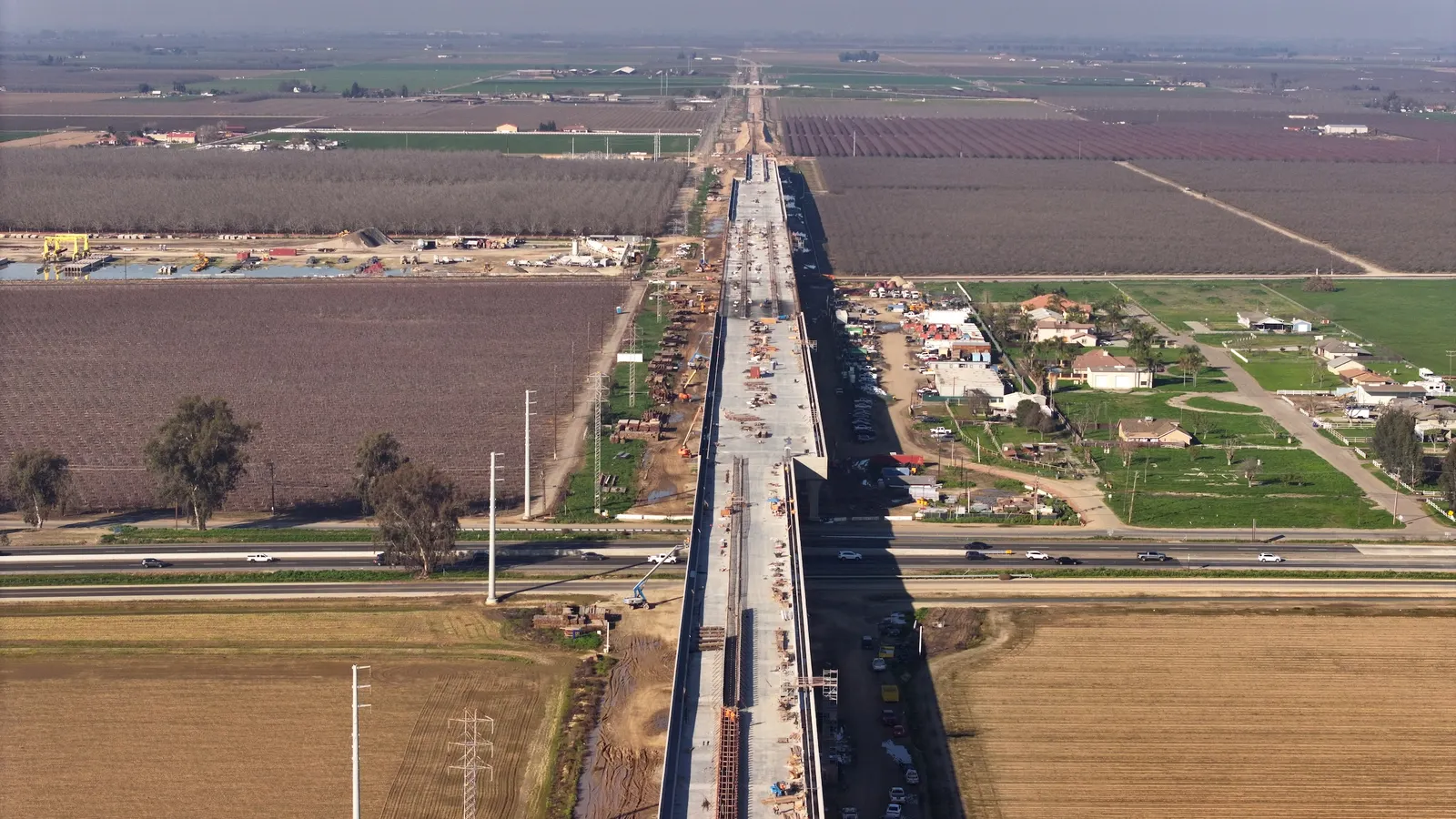
California's high-speed rail project, designed to connect Los Angeles and San Francisco, has been plagued by delays and cost overruns since its inception. According to the Office of Inspector General, the project could run out of funds by the end of 2027 despite the state committing to annual infusions of $1 billion over 20 years. These funds, however, will not arrive quickly enough to maintain the current construction schedule, threatening the project's viability. The report underscores the need for additional federal funding and private investment to prevent the project from stalling.
What This Means for Your Business
For contractors and companies involved in this major infrastructure initiative, the financial instability could translate to delayed payments, contract renegotiations, and potential job losses. Businesses should prepare for increased scrutiny and compliance demands as the state seeks additional federal support. The project's financial difficulties might also lead to a reevaluation of procurement strategies and tighter budget controls. For those involved in government contracting, this scenario highlights the critical importance of financial resilience and adaptability in the face of fiscal uncertainties.
What US Operators Should Watch
Key deadlines loom as the state seeks to secure additional funding. Stakeholders should monitor developments related to federal infrastructure bills and potential legislative changes that could affect funding streams. Additionally, companies should stay informed about any shifts in state procurement policies or compliance requirements, particularly concerning the California Environmental Quality Act (CEQA) and the Federal Railroad Administration's standards.
Source: [Construction Dive]. Read the original story ->
Is your firm ready for what’s next?
VisioneerIT helps AECM and government contractors modernize operations, achieve compliance, and implement AI.
Explore VisioneerIT Solutions →