Bridge launches, the complex engineering feats involving the precise movement of bridge structures into place, are becoming increasingly common in civil engineering projects. This shift is driven by the need to minimize on-site construction time and reduce disruptions to existing infrastructure, such as roads and railways. However, this method brings with it significant engineering challenges that professionals in the Architecture, Engineering, Construction, and Manufacturing (AECM) industry must navigate.
What Happened
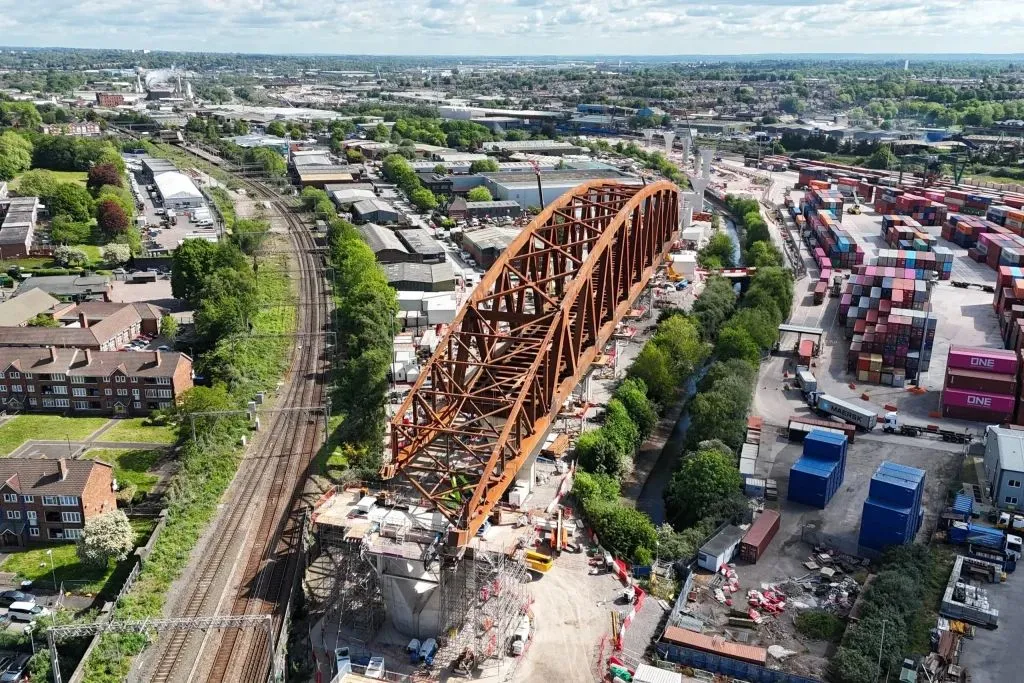
Bridge launches involve sliding, rolling, or jacking pre-assembled bridge decks into their final positions over obstacles like rivers or highways. This process, while reducing the time and disruption of traditional construction methods, introduces complexities in structural stability and site constraints. For example, during the construction of the A422 overbridge, engineers had to manage the changing structural behavior of the bridge as it moved, particularly the extreme cantilever forces experienced by the central span. This required temporary bracing to prevent excessive deflections.
The equipment used in these operations is specialized and varies from hydraulic jacks to skid shoes and tubular steel truss guiding structures. In some cases, bespoke fabrications like cradles and tapered bearings are necessary to guide the bridge with precision. Urban environments often exacerbate these challenges due to limited space for traditional launching platforms, requiring innovative solutions such as moving the deck in smaller sections.
Why It Matters for the AECM Industry
The increasing prevalence of bridge launches has significant implications for the AECM industry. The need for meticulous planning and precision in execution means that project timelines and costs can be affected. Engineers must account for the dynamic forces and changing structural behaviors during the launch, which requires advanced tools for analysis and prediction. These complexities can translate into higher upfront costs for design and preparation, but they may also reduce long-term expenses by minimizing road closures and reducing the number of workers needed at height.
Moreover, the alignment of permanent and temporary works design teams and contractors is crucial for the successful execution of such projects. The industry must adapt to these demands by investing in specialized equipment and training for engineers to handle the unique challenges of bridge launches, as highlighted by Tektome's AI BIM Checker for AEC teams.
Is your firm ready for what’s next?
VisioneerIT helps AECM and government contractors modernize operations, achieve compliance, and implement AI.
Explore VisioneerIT Solutions →