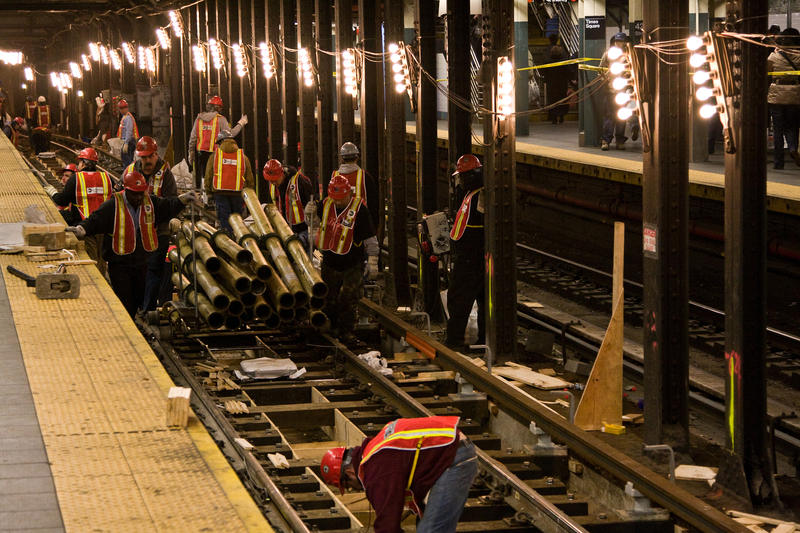
The construction industry is facing a critical mental health crisis, as highlighted by Senator Catherine Cortez Masto's recent legislative proposal aimed at reducing the alarming suicide rates among construction workers. This bill, introduced in late August, seeks to authorize a comprehensive study by the Centers for Disease Control and Prevention (CDC) to investigate the various risk factors affecting the mental health of construction workers.
What Happened
Senator Cortez Masto's proposed legislation, the Constructing the Path to Suicide Prevention Act, aims to address the disproportionately high suicide rates within the construction sector. The CDC study will examine key factors such as employment and financial stability, substance and alcohol use, access to healthcare, and the availability of employee assistance programs. In addition, the Department of Health and Human Services is tasked with recommending effective prevention strategies to Congress. This legislation has garnered support from influential organizations, including North America's Building Trades Unions and the Laborers' International Union of North America, and is co-sponsored by Senators Mark Warner, Jeanne Shaheen, Ben Ray Luján, Mark Kelly, and John Hickenlooper.
According to a study by the National Library of Medicine in 2023, 17.9% of suicides with a reported industry code were linked to construction, despite the sector comprising only 7.4% of the American workforce. This stark contrast underscores the urgent need for targeted mental health interventions in the industry.
What This Means for Your Business
For businesses operating within the architecture, engineering, construction, and manufacturing (AECM) sectors, this legislative move signals a growing focus on mental health and safety standards. Companies should anticipate potential new compliance requirements and consider proactive engagement in mental health initiatives to improve workplace conditions. Implementing comprehensive employee assistance programs and mental health awareness training could not only align with future regulations but also enhance employee well-being and productivity.
Moreover, addressing such critical issues can improve a company's competitive positioning by demonstrating a commitment to social responsibility and employee welfare. Construction firms that prioritize mental health may find themselves better positioned to attract and retain skilled workers, particularly as awareness of these issues grows.
What US Operators Should Watch
US operators should closely monitor the progress of this bill and any subsequent recommendations from the Department of Health and Human Services. The findings of the CDC study, once available, will be instrumental in shaping future compliance and operational strategies. Staying informed about potential regulatory changes and funding opportunities for mental health initiatives could provide a strategic advantage.
Additionally, with the increasing emphasis on mental health in the workplace, businesses should prepare for possible integration of these factors into existing safety and health compliance frameworks, such as the Occupational Safety and Health Administration (OSHA) standards.
---
Source: https://www.globalconstructionreview.com/unacceptably-high-senator-tables-bill-to-reduce-suicide-among-construction-workers/. Read the original story ->
Is your firm ready for what’s next?
VisioneerIT helps AECM and government contractors modernize operations, achieve compliance, and implement AI.
Explore VisioneerIT Solutions →