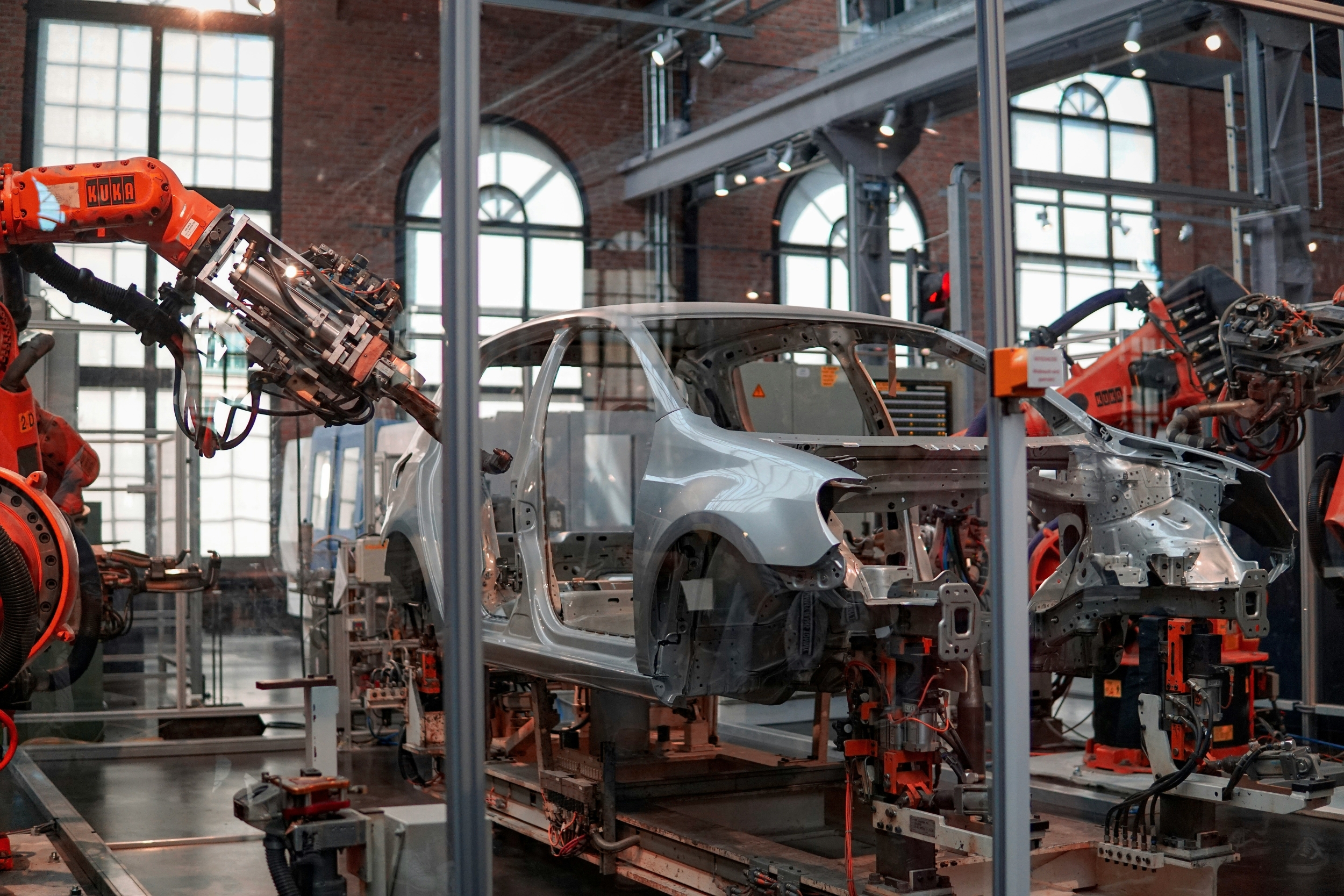
As the capabilities of autonomous robots advance, the frameworks for testing and safety validation are lagging behind. This discrepancy poses significant concerns for the AECM industry, particularly for those involved in integrating robotics into construction, architecture, and government projects.
What Happened
The robotics industry is witnessing rapid advancements in AI-driven systems, with humanoid robots available for purchase at $14,000 without comprehensive safety certifications or standardized testing protocols. These robots, capable of real-time autonomous decision-making, are being developed faster than the testing methodologies meant to validate their safety and functionality. The current testing landscape is not evolving at the same pace as the robots' control architectures, which range from simple teleoperation to fully autonomous reinforcement learning systems.
Recent research highlights the need for a new testing philosophy that aligns with the increasing autonomy of robotic systems. A proposed five-level taxonomy classifies robots by their cognitive and control architectures, emphasizing the need for formal safety guarantees and adversarial robustness evaluation as standard practices. This framework aims to replace traditional test-case enumeration, particularly at higher levels of autonomy where behavior becomes too dynamic and emergent for exhaustive testing.
What This Means for Your Business
For AECM professionals, the implications are vast. As robots become integral to construction sites, architectural design, and government projects, the need for robust testing protocols becomes critical. The gap in testing standards could lead to safety risks, compliance challenges, and potential liability issues. Businesses must advocate for and invest in advanced testing methodologies that scale with robotic autonomy to ensure safe and reliable deployment.
For government contractors, compliance with evolving safety standards will be crucial. Understanding and implementing new testing frameworks can offer a competitive edge, ensuring that robotic solutions meet rigorous safety and functionality criteria. This proactive approach not only mitigates risk but also positions businesses as leaders in responsible robotics deployment.
What US Operators Should Watch
Operators should closely monitor developments in robotics safety and testing standards. Key areas include:
- Updates to federal safety regulations for autonomous systems.
- Advances in AI-driven testing methodologies and their integration into current practices.
- Upcoming compliance deadlines related to robotic safety standards.
- Opportunities for federal funding to support the development and testing of autonomous systems.
Staying informed and engaged with these developments will be essential for AECM professionals looking to leverage robotics responsibly and effectively in their operations.
Is your firm ready for what’s next?
VisioneerIT helps AECM and government contractors modernize operations, achieve compliance, and implement AI.
Explore VisioneerIT Solutions →Tracking the right federal opportunities?
OryonIQ's AI platform monitors agency forecasts, contract awards, and procurement timelines — so government contractors always know what’s coming next.
Try OryonIQ Free →