Automation is reshaping the utility design landscape, marking a pivotal shift in how infrastructure projects are planned and executed. This transformation is not just a technological upgrade but a strategic imperative for businesses in the architecture, engineering, construction, and manufacturing (AECM) sectors.
What Happened
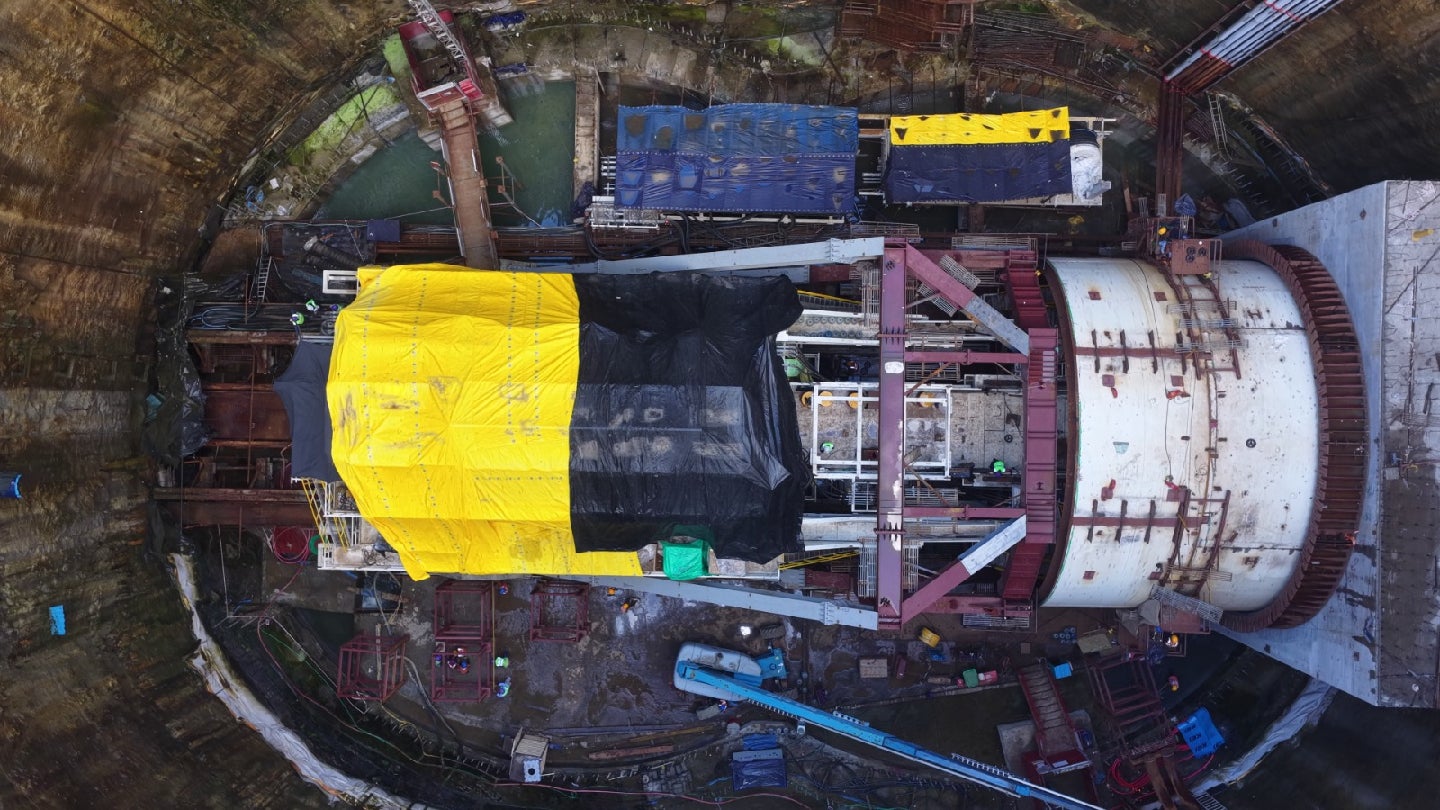
Automation technologies are rapidly being integrated into utility design processes, a trend driven by the need for increased efficiency and precision. Al Eliasen, President of a leading firm, recently discussed this evolution in an episode of Lexicon. The automation revolution is characterized by the deployment of advanced software and robotics, which streamline tasks traditionally reliant on extensive human labor. The integration of these technologies allows for more accurate planning and execution of utility projects, reducing costs and timeframes significantly.
The focus on automation comes at a critical time as the U.S. government prioritizes infrastructure modernization. With recent federal funding initiatives aimed at upgrading national infrastructure, companies that adopt automation technologies could gain a competitive edge. This shift is not limited to large corporations; small and medium enterprises also stand to benefit by increasing their operational efficiency and reducing overhead costs.
What This Means for Your Business
For AECM professionals, embracing automation in utility design can lead to substantial benefits. Companies can expect improved project delivery timelines, enhanced precision in design, and reduced labor costs. These advancements align with federal requirements and funding opportunities, making it easier for businesses to secure contracts and comply with regulations.
Furthermore, the integration of automation can help firms align with the Cybersecurity Maturity Model Certification (CMMC) and National Institute of Standards and Technology (NIST) guidelines, ensuring compliance and security in operations. As federal agencies and contractors increasingly demand adherence to these standards, businesses that invest in automation can enhance their competitive positioning and increase their chances of securing lucrative government contracts.
What US Operators Should Watch
AECM professionals should monitor upcoming federal deadlines and funding windows related to infrastructure. Staying informed about regulation timelines and CMMC audit dates will be crucial for securing contracts and maintaining compliance. Additionally, businesses should keep an eye on technological advancements in automation to continuously optimize their operations and maintain a competitive edge.
Source: https://www.msn.com/en-us/news/technology/rewiring-infrastructure-the-automation-revolution-in-utility-design/ar-AA1Mrr7o. Read the original story ->
Is your firm ready for what’s next?
VisioneerIT helps AECM and government contractors modernize operations, achieve compliance, and implement AI.
Explore VisioneerIT Solutions →