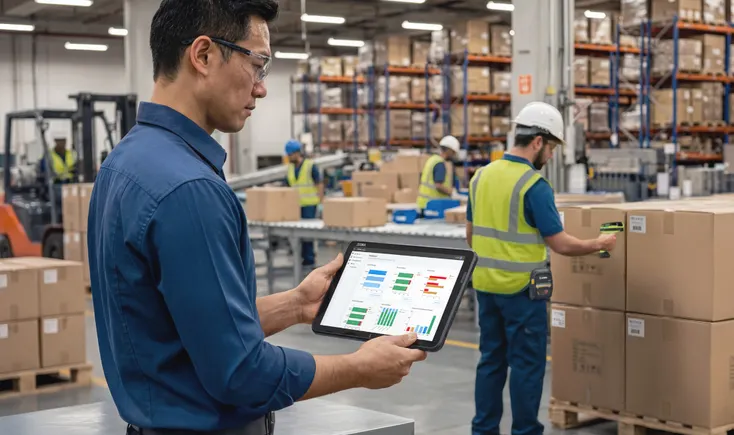
AI-Driven Supply Chains: A Game Changer for AECM Industries
The integration of AI into supply chains is set to transform AECM industries by enhancing efficiency and reducing human intervention in disruption resolution.
The integration of AI into supply chains is set to transform AECM industries by enhancing efficiency and reducing human intervention in disruption resolution.
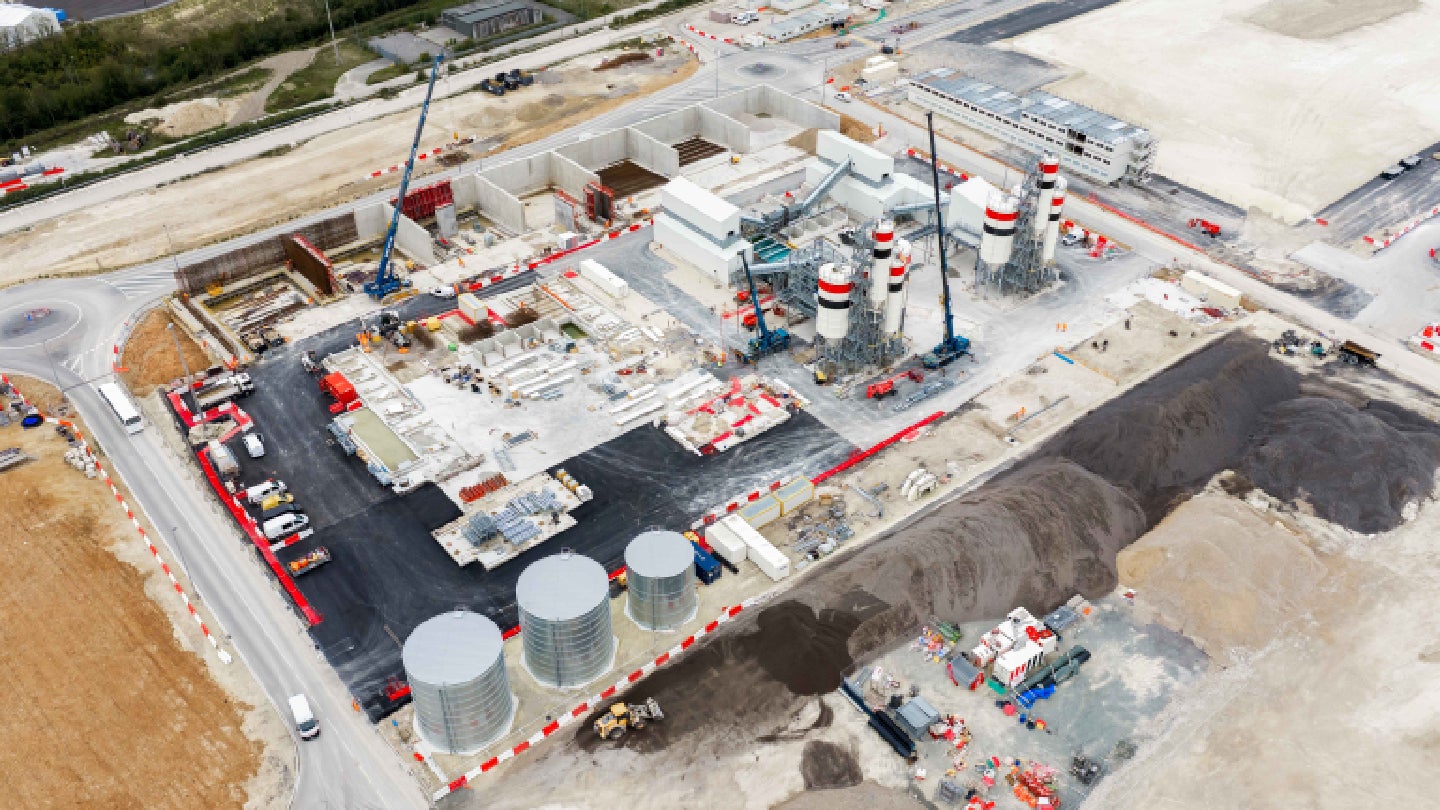
Eiffage has installed key concrete batching plants for the Penly EPR2 nuclear project, advancing France's nuclear infrastructure and offering insights for U.S. AECM stakeholders.

The digital twin market is projected to grow from $49.2 billion in 2026 to $228.46 billion by 2031. This expansion, driven by industrial IoT and AI, offers significant opportunities for AECM and government contractors.
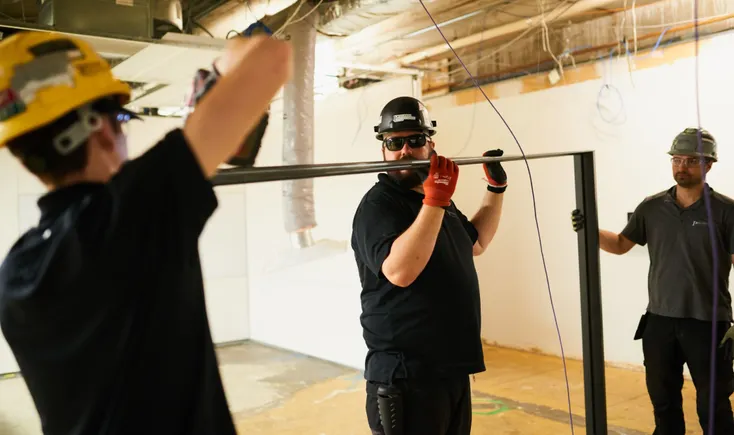
Prefabricated construction methods significantly reduce interior build timelines, offering AECM professionals a competitive edge amidst labor shortages and compliance demands.

AI, digital twins, and real-time simulation are transforming manufacturing, enabling faster innovation and efficiency. Businesses must invest in robust infrastructure to support these technologies and monitor federal opportunities and compliance requirements.

The Scottish Procurement Alliance has unveiled a £900m framework to improve public infrastructure, introducing new workstreams to tackle pressing housing issues.

Willmott Dixon is set to build a Passivhaus-standard leisure centre, reducing energy use by 60%. US AECM firms should note the competitive edge in sustainable design.

Marsh has launched Strada and Machina, two new insurance facilities for UK road contractors and plant operators, addressing complex risks and offering tailored solutions for construction projects.

Rivian is transitioning from an electric vehicle maker to a tech supplier, focusing on AI and robotics. This shift presents new opportunities for AECM professionals and government contractors.
