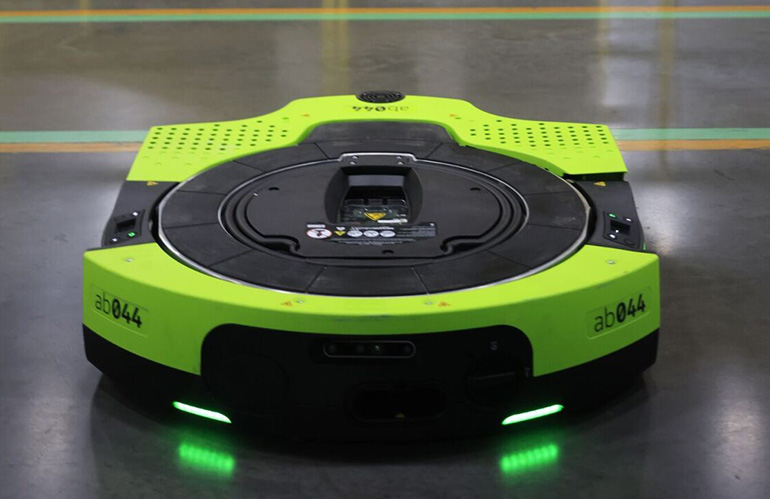
Amazon is pushing the boundaries of warehouse automation in Europe with the introduction of its next-generation Proteus autonomous mobile robot (AMR), now equipped with natural-language processing capabilities. Announced at the Delivering the Future event in London, this development signifies a major leap in robotics, enabling Proteus to execute tasks based on verbal instructions without technical commands. This innovation is part of Amazon's broader strategy to modernize its European operations, a move that could have significant implications for the AECM sector.
What Happened
Amazon's Proteus AMR, first introduced in 2022, is designed to move heavy carts, relieving workers of strenuous physical tasks. With the latest upgrade, Proteus can now understand and act on natural-language commands, enhancing its functionality beyond basic material movement. This advancement allows Proteus to operate in various warehouse zones, transferring containers and assisting in delivery sites. Amazon is piloting this updated system in its labs, with plans to deploy it across Europe in the first half of next year.
In addition to Proteus, Amazon is expanding its Vulcan picking robot and STARK tote-handling system across Europe. Vulcan, described as Amazon's first robot with a sense of touch, can navigate and handle complex picking tasks, while STARK, originating from an employee's idea to improve safety, is designed to work collaboratively with humans in picking heavy totes. Amazon aims to deploy STARK in 15 European sites by 2027.
Amazon's commitment to robotics is underscored by its planned €10 billion ($11.6 billion) investment in modernizing its European fulfillment operations, including hiring 25,000 more employees in the region. This investment highlights Europe's strategic importance in Amazon's global operations roadmap.
What This Means for Your Business
For AECM professionals, Amazon's advancements in robotics present both opportunities and challenges. The integration of natural-language processing in AMRs like Proteus could redefine labor dynamics in warehouses, potentially reducing the need for manual labor while increasing demand for technical skills in robotics management and maintenance. Companies involved in automation and robotics can explore partnerships with Amazon or similar enterprises to leverage these technologies for enhanced operational efficiency.
Moreover, Amazon's substantial investment in European operations could spur a wave of innovation and competition, prompting businesses to evaluate their own automation strategies. As Amazon continues to refine its robotics capabilities, AECM firms may need to consider how such technologies can be integrated into their own processes to maintain competitive advantage.
What US Operators Should Watch
US operators should closely monitor Amazon's deployment timelines for Proteus, Vulcan, and STARK, particularly the planned European rollouts in 2024 and the target of 15 STARK sites by 2027. These deployments could signal emerging trends and best practices in robotics that may influence US operations. Additionally, keeping an eye on Amazon's investment strategies and workforce expansion plans can provide insights into evolving market demands and potential areas for collaboration or investment.
Is your firm ready for what’s next?
VisioneerIT helps AECM and government contractors modernize operations, achieve compliance, and implement AI.
Explore VisioneerIT Solutions →