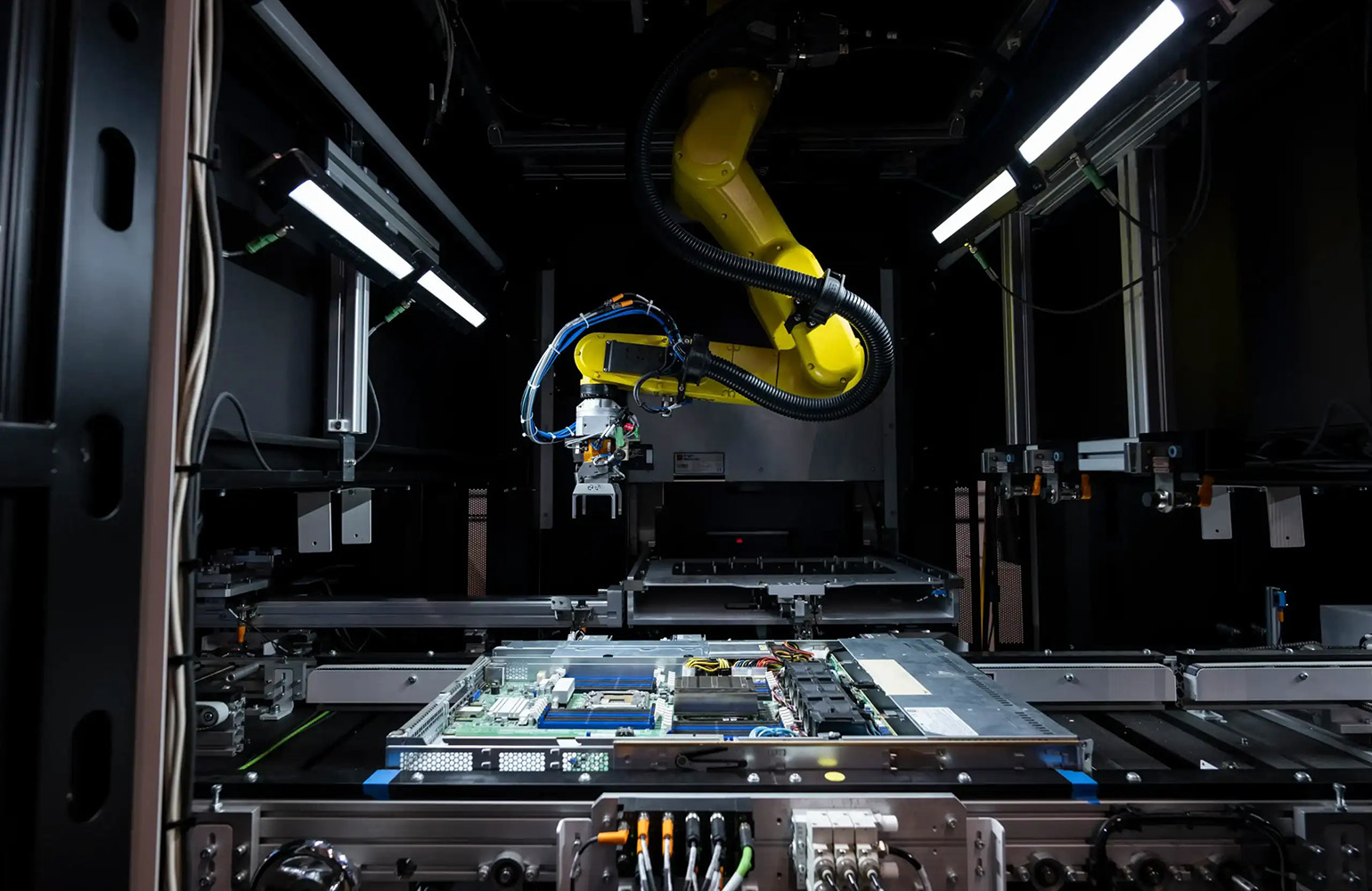
Artificial intelligence continues to redefine industries, and the Architecture, Engineering, Construction, and Manufacturing (AECM) sector is no exception. With the rapid pace of AI developments, MIT Technology Review has distilled critical insights into a new guide titled '10 Things That Matter in AI Right Now.' This guide is designed to cut through the noise and highlight the most significant trends and breakthroughs shaping the industry today.
What Happened
MIT Technology Review has launched a comprehensive guide to the current state of AI, focusing on the most impactful advancements and their implications. This guide builds upon their annual '10 Breakthrough Technologies' and provides a broader perspective on AI's influence across various sectors. Each day, the publication will explore one of the ten highlighted trends, offering in-depth analyses of their importance and potential impact.
Among the topics covered is the increasing vulnerability of desalination plants in the Middle East, exacerbated by geopolitical tensions and technological threats. Additionally, the guide addresses the unauthorized access to Anthropic’s AI model, Mythos, and the potential dangers of such breaches. The publication also discusses the implications of AI in surveillance and data privacy, as demonstrated by Meta's new tracking software for AI training.
Why It Matters for the AECM Industry
AI's integration into the AECM sector promises to revolutionize how projects are designed, managed, and executed. For architects and engineers, AI can enhance design processes through advanced modeling and predictive analytics, leading to more efficient and sustainable structures. Construction companies stand to benefit from AI-driven project management tools that optimize resource allocation and reduce costs.
Manufacturers are not left behind, as AI facilitates automation and precision in production processes. The ability to predict maintenance needs and optimize supply chains can significantly reduce downtime and enhance productivity. However, the adoption of AI also brings challenges, such as data security risks and the need for workforce upskilling.
The MIT guide sheds light on these opportunities and challenges, providing AECM professionals with the knowledge needed to navigate the evolving landscape. As AI continues to permeate the industry, understanding its potential and pitfalls becomes crucial for maintaining a competitive edge.
What's Next
Professionals in the AECM industry should keep an eye on MIT Technology Review’s daily explorations of AI trends, as these insights can inform strategic decisions and innovation initiatives. Upcoming topics are expected to cover advancements in AI-driven construction robots, material innovation, and sustainable building practices.
Regulatory developments will also be critical to monitor, as AI's role in surveillance and privacy continues to spark legal and ethical debates. Industry leaders should prepare for potential changes in compliance requirements and invest in cybersecurity measures to protect sensitive data.
As the AI landscape evolves, staying informed and adaptable will be key to leveraging its benefits while mitigating associated risks.
Is your firm ready for what’s next?
VisioneerIT helps AECM and government contractors modernize operations, achieve compliance, and implement AI.
Explore VisioneerIT Solutions →