Manufacturers are rapidly embracing advanced technologies like Artificial Intelligence (AI), the Internet of Things (IoT), and robotics to drive efficiency and precision in production processes. This transformation is essential in today’s volatile market, where the ability to predict and adjust operations in real-time can be a decisive competitive edge.
What Happened
Modern manufacturing is undergoing a paradigm shift from isolated machine operation to interconnected systems powered by AI and IoT. Traditionally, factories relied on fixed schedules, manual control, and reactive maintenance. However, the integration of IoT infrastructure now enables seamless connectivity between production equipment, warehouse systems, and monitoring platforms. This interconnectedness facilitates real-time data collection, allowing for precise tracking of variables such as temperature changes, equipment vibrations, cycle times, and material consumption. AI further enhances operational decision-making by analyzing vast amounts of production data to optimize maintenance schedules, forecast inventory needs, and ensure quality assurance.
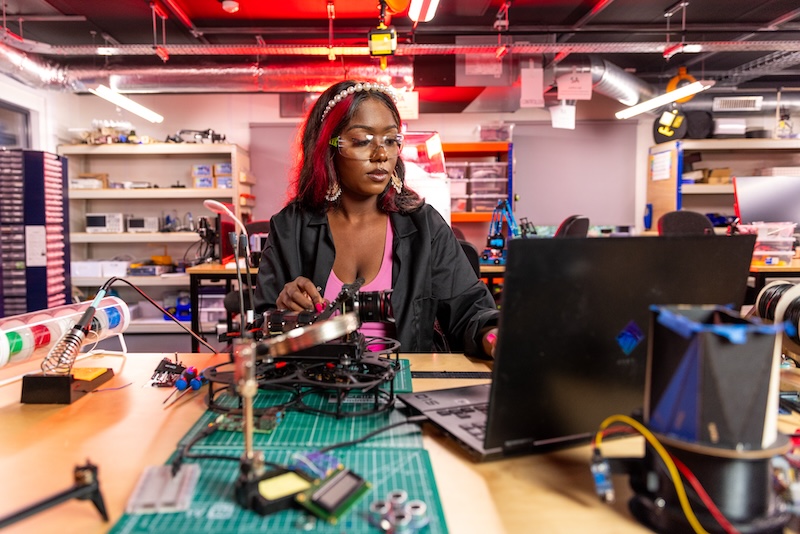
Robotics also plays a crucial role in this transformation. Moving beyond repetitive tasks, modern robotics are designed to be flexible and adaptable, working collaboratively with human workers. These advanced systems take on responsibilities in packaging, inspection, assembly, and material transportation, thereby increasing efficiency and reducing the margin for error.
Why It Matters for the AECM Industry
The convergence of AI, IoT, and robotics in manufacturing has profound implications for the Architecture, Engineering, Construction, and Manufacturing (AECM) industries. By leveraging these technologies, manufacturers can significantly reduce costs associated with downtime and inefficiencies. Predictive maintenance minimizes unexpected equipment failures, while real-time data analysis helps streamline supply chains and improve project timelines. Moreover, the enhanced precision and adaptability of modern robotics can lead to higher quality outputs, reducing waste and ensuring compliance with stringent industry standards. For project managers and engineers, these advancements translate into more predictable and reliable project execution, ultimately enhancing project outcomes.
Partner Insight · VisioneerIT
The integration of AI, IoT, and robotics in manufacturing aligns with VisioneerIT's expertise in Digital Twin technology, enabling manufacturers to optimize operations through real-time analytics. VisioneerIT's solutions incorporate IoT sensors and BIM data for enhanced infrastructure management.
Explore VisioneerIT Digital Twin Services →
Is your firm ready for what’s next?
VisioneerIT helps AECM and government contractors modernize operations, achieve compliance, and implement AI.
Explore VisioneerIT Solutions →