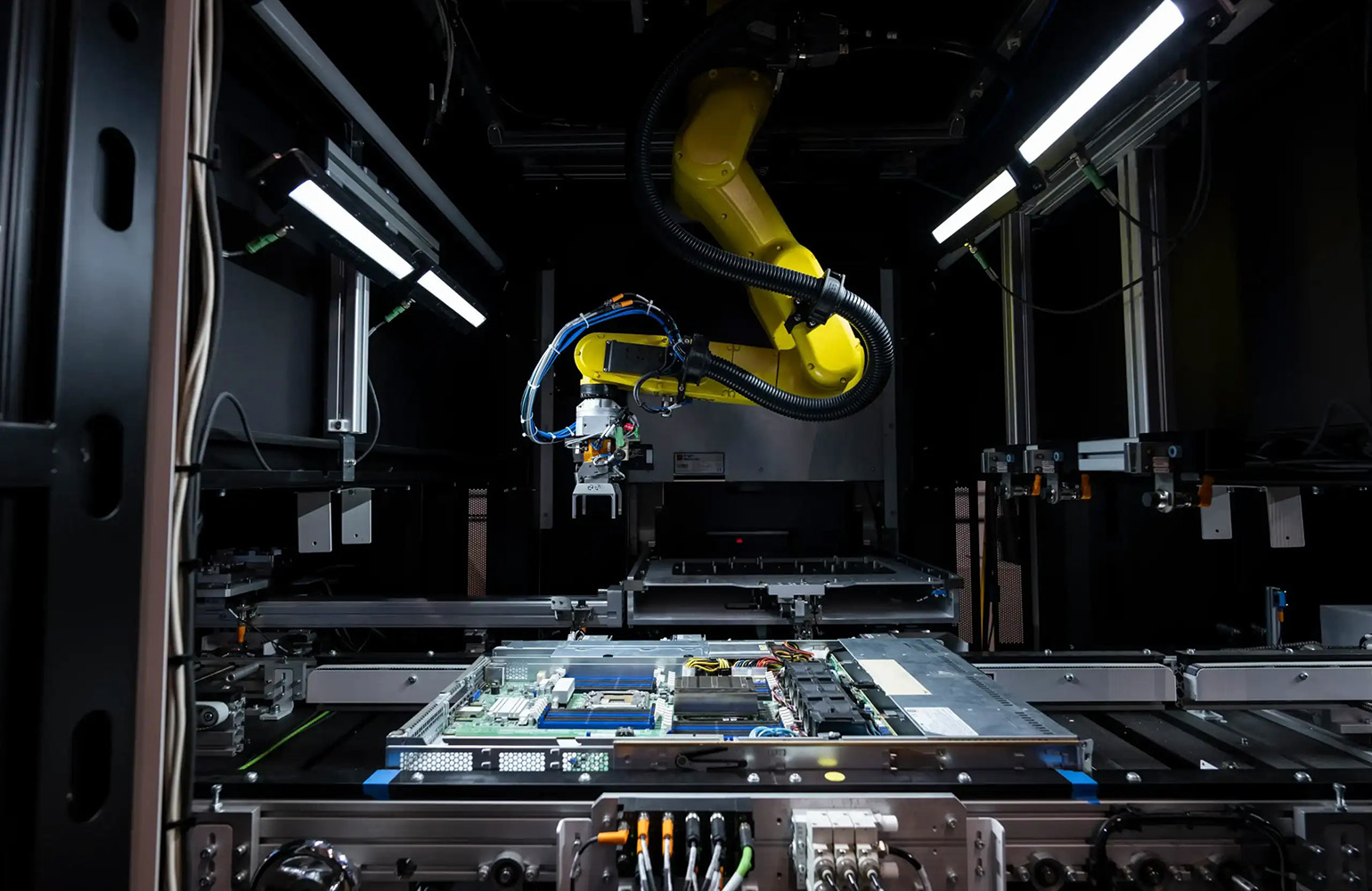
The race to dominate the artificial intelligence landscape is intensifying, with major tech companies investing heavily in infrastructure to support AI capabilities. As companies like Google, Microsoft, and Amazon increase their spending on data centers and computational power, the ripple effects are being felt across the AECM industry.
What Happened
Investments in AI infrastructure are skyrocketing as tech giants vie for supremacy in the generative AI space. Google Cloud, Microsoft Azure, and Amazon Web Services are expanding their data centers to handle the computational demands of AI technologies. For instance, Google has announced plans to spend $9.5 billion on U.S. offices and data centers in 2022 alone. These expansions are crucial for supporting the complex algorithms and vast datasets that underlie AI advancements.
The competition is not limited to the U.S. The European market is also seeing significant investments, with companies expanding their infrastructure footprint to tap into the growing demand for AI services. This infrastructural race is not just about capacity but also about speed and efficiency, as companies strive to deliver AI solutions faster and more reliably than their competitors.
Why It Matters for the AECM Industry
For the architecture, engineering, construction, and manufacturing sectors, the implications of this AI infrastructure boom are profound. As tech companies build more data centers, the demand for construction services is increasing, providing new opportunities for contractors and engineers. However, this surge also poses challenges, such as potential labor shortages and increased competition for materials.
Moreover, the expansion of AI capabilities offers the AECM industry new tools to improve efficiency and innovation. AI-driven design software and predictive analytics can streamline project planning and execution, while automation and machine learning can optimize supply chains and reduce costs. The integration of AI into building management systems can enhance energy efficiency and sustainability, aligning with broader industry goals.
However, the rapid pace of AI development also raises questions about data privacy, cybersecurity, and regulatory compliance, which could impact how AECM professionals adopt these technologies.
What's Next
As the AI infrastructure race continues, AECM professionals should watch for emerging trends in data center construction and AI integration. Key milestones include regulatory developments, such as data protection laws that could affect AI deployment, and technological advancements that may redefine industry standards.
The next few years will be critical as companies finalize their infrastructure investments and new AI capabilities come online. AECM firms should prepare by investing in workforce training and developing partnerships with tech companies to leverage AI's full potential.
Is your firm ready for what’s next?
VisioneerIT helps AECM and government contractors modernize operations, achieve compliance, and implement AI.
Explore VisioneerIT Solutions →