AI drones are transforming the construction industry, offering a solution to the costly data management issues that have plagued the sector for years. As the U.S. construction industry reached a valuation of $2.2 trillion in 2025, the sector continues to grapple with a staggering $1.8 trillion global loss annually due to poor data. AI drones present a new frontier in mitigating these losses by providing precise, timely data that traditional methods fail to deliver.
What Happened
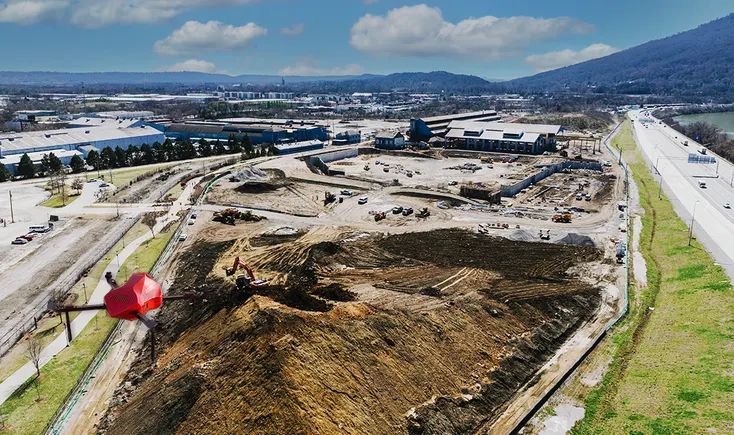
The introduction of AI-autonomous drones by Drone as a Service marks a significant advancement in construction site management. These drones, equipped with 4K cameras, LiDAR, multispectral and thermal sensors, and ground-penetrating radar (GPR) scanners, offer a comprehensive data collection solution. Contractors are now able to access accurate site data rapidly without subjecting crews to potential hazards. With pay-per-use or subscription models available, the service can cut project costs by up to 50% and deliver data 60% faster than traditional methods.
The construction industry faces numerous challenges that eat into margins and delay project timelines. Rework due to poor project data and miscommunication costs the U.S. construction industry approximately $177.5 billion in labor annually. Notably, 48% of all rework on U.S. job sites, valued at $31.3 billion, stems from these data issues. Additionally, underground utility damage costs the U.S. economy $83.2 billion annually, highlighting the need for improved data collection methods.
What This Means for Your Business
For AECM professionals, AI drones offer a significant competitive edge. The technology's ability to provide fast, precise, and efficient data collection can dramatically improve project management and reduce costly errors. By adopting drones, contractors can enhance their compliance with safety regulations and optimize project timelines and budgets. This technological shift aligns with current trends in federal funding opportunities, where innovation and efficiency are highly valued.
In particular, the ZenaDrone IQ Quad's capabilities in precision surveying can mitigate risks associated with grading errors and underground work. By identifying cut-and-fill variances before paving and safely locating post-tensioned cables, contractors can avoid expensive rework and potential safety hazards.
What US Operators Should Watch
As AI drones become more integrated into the construction industry, operators should keep an eye on evolving federal regulations and compliance requirements. Staying informed about procurement windows and funding opportunities related to technology adoption will be crucial. Additionally, the industry should anticipate increased demand for drone data services, driving competition and innovation.
With the construction industry facing ongoing challenges in data management and safety, the adoption of AI drones represents a strategic opportunity for growth and efficiency. As technology continues to reshape the sector, staying ahead of these trends will be essential for maintaining a competitive edge.
Is your firm ready for what’s next?
VisioneerIT helps AECM and government contractors modernize operations, achieve compliance, and implement AI.
Explore VisioneerIT Solutions →