AI-based virtual sensors are transforming the landscape of system design by providing a cost-effective and efficient means of estimating hard-to-measure signals. This advancement is particularly pertinent to the AECM industry, where precision and efficiency are paramount.
What Happened
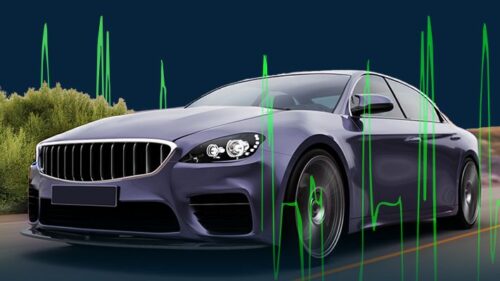
MathWorks has introduced a webinar that delves into the integration of AI-driven virtual sensors into model-based design frameworks. These virtual sensors can estimate signals that are typically challenging or expensive to measure, such as the battery state of charge (SOC) in Battery Management Systems (BMS). The webinar demonstrates a comprehensive workflow that encompasses the design, verification, compression, and deployment of AI models to embedded processors. By leveraging Simulink® for system-level simulation and verification, professionals can apply formal verification methods to assess neural network behavior, optimize models for memory efficiency, and generate C code for embedded deployment. This initiative is sponsored by MathWorks and partnered with IEEE Spectrum, aiming to provide a rich resource for understanding the implications and applications of AI in engineering and technology.
Why It Matters for the AECM Industry
For the AECM industry, the integration of AI in model-based design offers numerous benefits. It reduces the reliance on physical sensors, which can be costly and complex to implement. Virtual sensors allow for the estimation of critical parameters without the need for direct measurement, thereby reducing costs and improving system efficiency. In battery management systems, for example, accurately estimating the SOC is vital for optimizing battery life and performance. By using AI models, engineers can achieve higher accuracy and reliability in their designs, while also optimizing for memory footprint and execution speed. This not only enhances the performance of embedded systems but also facilitates more sustainable and efficient design practices, ultimately leading to competitive advantages in project delivery and cost management.
What's Next
As the webinar is available on-demand, professionals in the AECM industry have the opportunity to explore these advancements at their own pace. Future developments may include enhanced AI model integration into broader digital twin and AI tools for system design. This could further revolutionize how engineers approach system optimization and management, aligning with trends in modern infrastructure resilience.
Partner Insight · VisioneerIT
The integration of AI-driven virtual sensors in system design aligns with VisioneerIT's expertise in Digital Twin technology, enabling precise simulation and optimization of real-world infrastructure. Our solutions incorporate IoT sensors and real-time analytics to enhance infrastructure management and efficiency.
Explore VisioneerIT Digital Twin Solutions →
Is your firm ready for what’s next?
VisioneerIT helps AECM and government contractors modernize operations, achieve compliance, and implement AI.
Explore VisioneerIT Solutions →