Around the world, infrastructure professionals are facing the imperative to evolve their practices to meet the demands of a rapidly changing environment. This evolution is driven by the need for infrastructure that is economically, technologically, and environmentally resilient. As the industry grapples with challenges like climate change, technological advancement, and increased usage, three major trends have emerged as enablers to create smarter, more resilient infrastructure.
What Happened
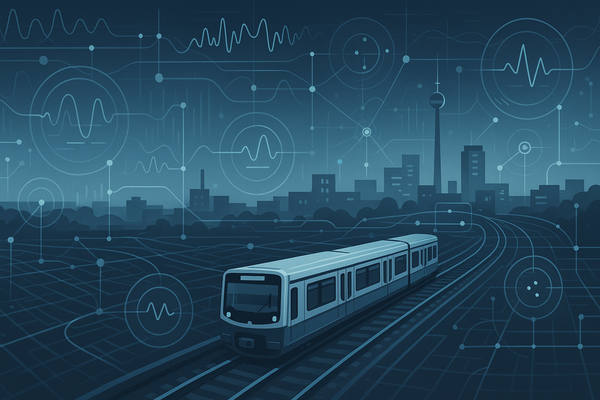
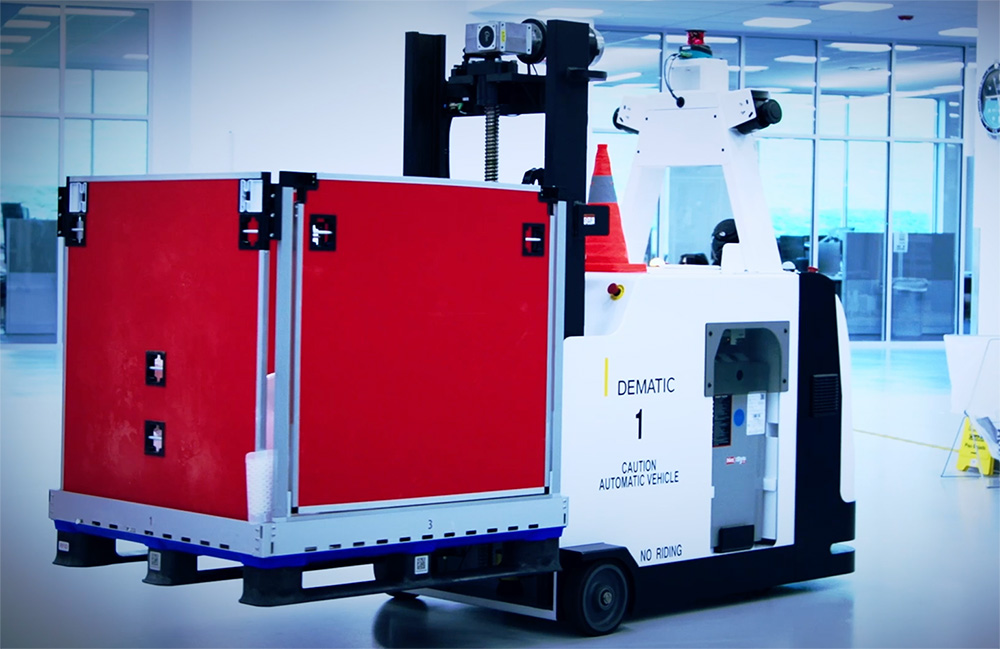
Infrastructure development is being propelled by a surge in investment capital, the adoption of advanced technologies, and the integration of digital twins. The European Investment Bank's record-high financing of EUR 100 billion in 2025 underscores the significance of this movement, with EUR 11 billion allocated specifically for energy grids and storage to support the energy transition. This wave of investment is not only a financial boost but a catalyst for technological advancements such as AI in master planning, autonomous construction equipment, and the application of robotics and drones in maintenance.
The increased investor confidence is attributed to well-organized data systems and responsibly deployed AI within infrastructure projects. This confidence is crucial for both public and private entities, as it ensures that their investments will yield returns. Infrastructure digital twins play a pivotal role in this by providing clear visualizations of projects, helping investors understand potential outcomes and operational costs.
Why It Matters for the AECM Industry
For professionals in the AECM industry, these trends signify a transformative shift in how infrastructure projects are approached. The emphasis on digital twins and advanced technologies means that project managers, engineers, and architects must adapt to new methodologies that prioritize data integration and digital environments from the outset. This adaptation can lead to more efficient project delivery, reduced operational risks, and enhanced asset management.
Furthermore, the influx of investment capital, particularly in sustainable and technologically innovative projects, offers the industry an opportunity to lead in the development of infrastructure that not only meets current needs but is also prepared for future challenges. The focus on decarbonization and clean energy aligns with global sustainability goals, pushing the industry towards greener practices that can reduce long-term environmental impact.
Wh
Partner Insight · VisioneerIT
As infrastructure projects increasingly rely on digital twins for enhanced visualization and management, VisioneerIT offers solutions that integrate IoT sensors and real-time analytics. These capabilities help optimize infrastructure performance and sustainability.
Explore VisioneerIT Digital Twin Solutions →
Is your firm ready for what’s next?
VisioneerIT helps AECM and government contractors modernize operations, achieve compliance, and implement AI.
Explore VisioneerIT Solutions →