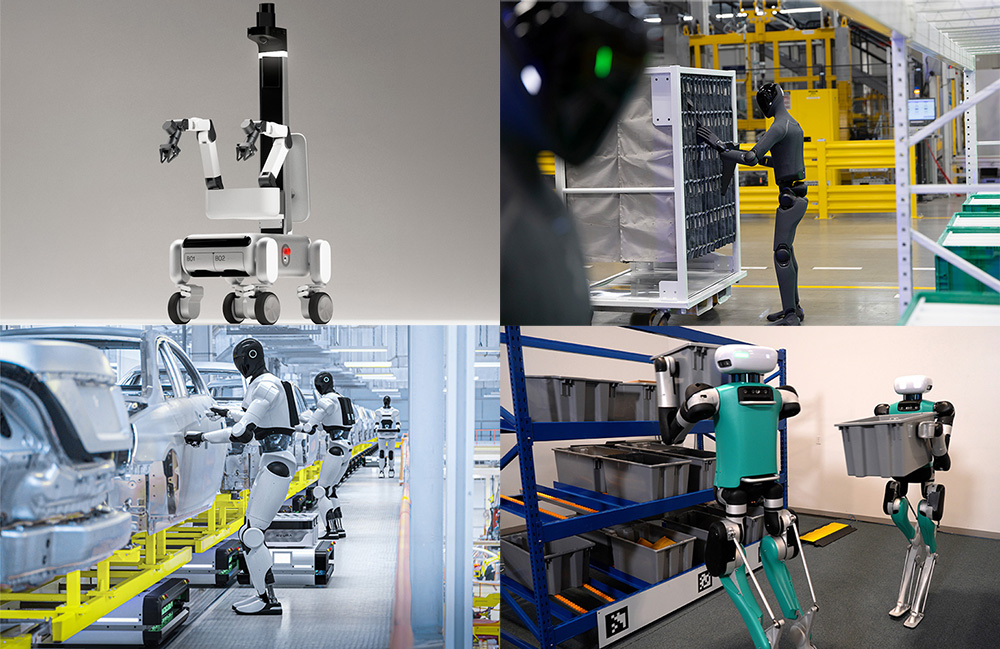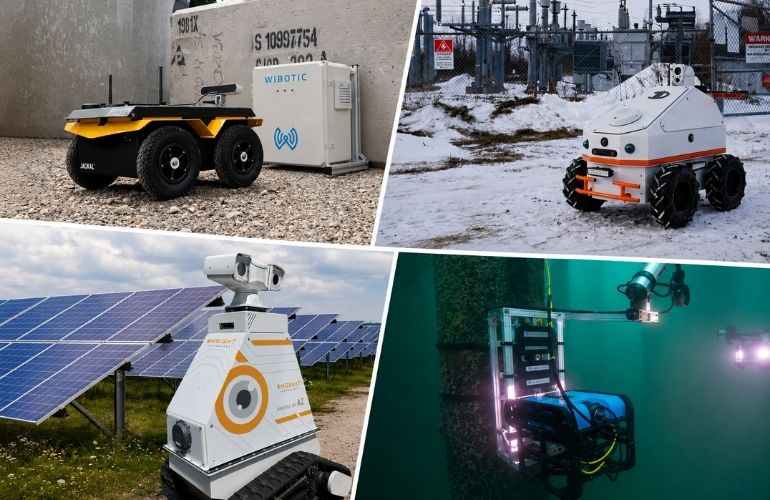
Collaborative robots, or cobots, are becoming increasingly integral to industrial operations as artificial intelligence (AI) enhances their capabilities. This development holds significant implications for the architecture, engineering, construction, and manufacturing (AECM) sectors, where efficiency and precision are paramount.
What Happened
The integration of AI into cobots has expanded their potential applications across various industries. Companies like Yaskawa are at the forefront of this technological advancement, offering cobots that can perform complex tasks previously beyond their capabilities. These robots are now not only easier to program but also more adaptable to dynamic environments within manufacturing settings. Such advancements have led to a surge in cobot adoption, driven by the need for flexible automation solutions that can quickly respond to changing production demands.
What This Means for Your Business
For AECM companies, the rise of smarter cobots represents a substantial opportunity to enhance operational efficiency and reduce costs. The AI-driven capabilities of these robots mean they can now handle a broader range of tasks with minimal human intervention. This can lead to significant savings in labor costs and increased productivity, crucial for maintaining competitive advantage. Furthermore, the ease of integration and programming allows for more seamless adoption into existing workflows, minimizing disruption and maximizing return on investment.
In terms of compliance and procurement, businesses should consider the implications of integrating AI-enabled cobots into their operations. This includes understanding the regulatory landscape surrounding AI technologies, particularly in sectors like defense contracting where strict compliance with standards such as the Cybersecurity Maturity Model Certification (CMMC) is mandatory. Companies should also assess the availability of federal funding opportunities that support the adoption of advanced manufacturing technologies.
What US Operators Should Watch
Key timelines and opportunities for US operators include monitoring federal initiatives that promote AI and robotics in manufacturing, such as grants or incentives aimed at fostering technological innovation. Additionally, keeping abreast of updates to compliance standards and certifications, particularly those related to AI and data security, will be crucial as the landscape evolves. Businesses should also track procurement windows for AI-enhanced cobots to capitalize on early adoption advantages.
Is your firm ready for what’s next?
VisioneerIT helps AECM and government contractors modernize operations, achieve compliance, and implement AI.
Explore VisioneerIT Solutions →Tracking the right federal opportunities?
OryonIQ's AI platform monitors agency forecasts, contract awards, and procurement timelines — so government contractors always know what’s coming next.
Try OryonIQ Free →