Using advanced modeling and AI-supported analysis, teams can optimize designs for outcomes such as reduced carbon emissions, improved resilience, and lower long-term maintenance costs, according to Autodesk. This technological shift is crucial for the architecture, engineering, construction, and manufacturing (AECM) industry as it seeks to address the dual challenges of climate change and infrastructure longevity.
What Happened
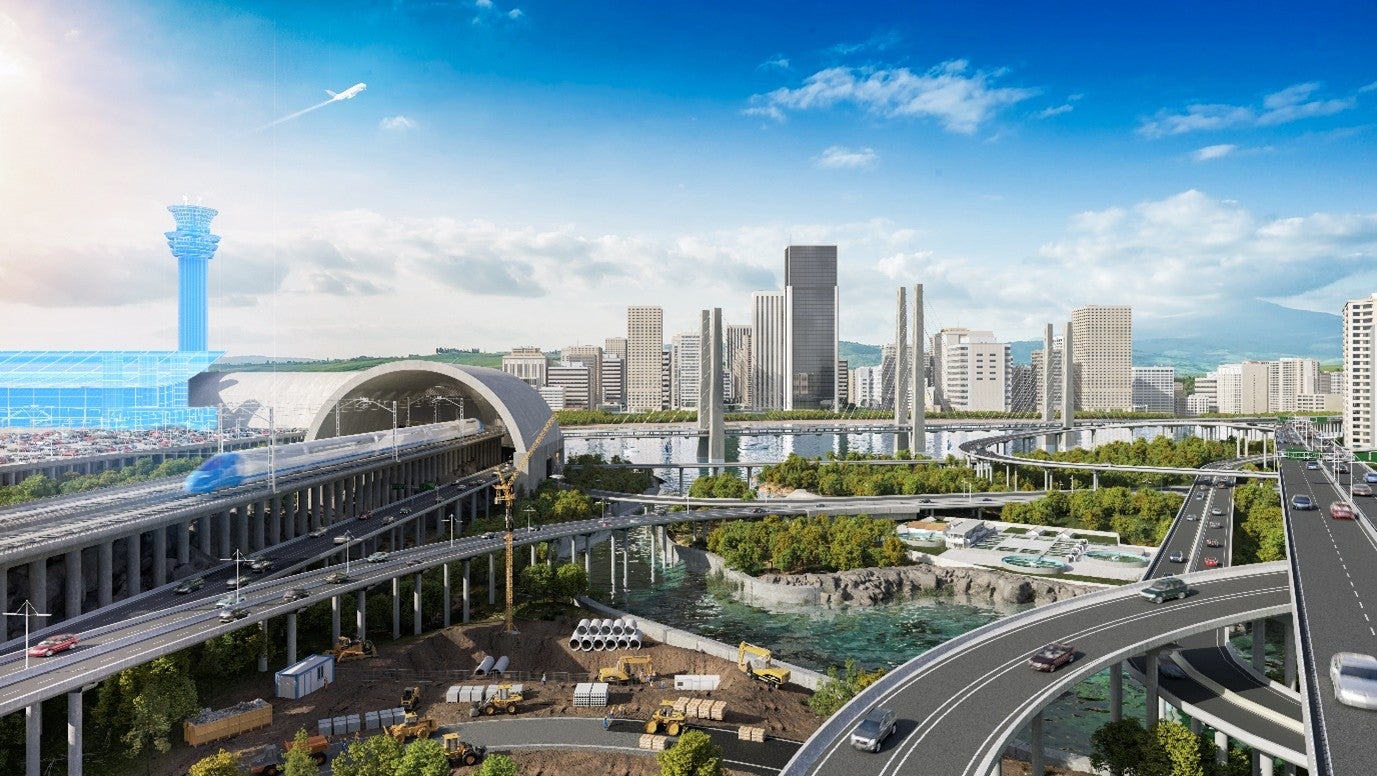
Autodesk has highlighted the role of advanced digital tools in revolutionizing the design of transport infrastructure. These tools enable project teams to enhance design efficiency and sustainability. By leveraging AI and advanced modeling, designers can anticipate and mitigate potential environmental impacts, ensuring structures that are both resilient and climate-neutral. This approach aligns with global trends towards sustainable development and infrastructure resilience, increasingly necessary in the face of climate volatility.
Why It Matters for the AECM Industry
The integration of AI and advanced modeling tools promises significant benefits for the AECM industry. These technologies facilitate the creation of transport infrastructure that not only meets functional requirements but also adheres to sustainability goals. By optimizing designs, firms can achieve reduced carbon footprints and lower maintenance costs, providing economic advantages and enhancing competitive positioning. This shift is also crucial for compliance with emerging environmental regulations and standards, which increasingly demand sustainable construction practices.
What's Next
The AECM industry should anticipate further advancements in AI and modeling technologies, with potential updates to software capabilities and new tools emerging. Professionals should stay informed about these developments to leverage them for competitive advantage. Upcoming industry conferences and publications will likely provide insights into cutting-edge applications and best practices. Continuous investment in digital skills and technology adoption will be essential for firms aiming to remain leaders in sustainable infrastructure development.
Is your firm ready for what’s next?
VisioneerIT helps AECM and government contractors modernize operations, achieve compliance, and implement AI.
Explore VisioneerIT Solutions →Tracking the right federal opportunities?
OryonIQ's AI platform monitors agency forecasts, contract awards, and procurement timelines — so government contractors always know what’s coming next.
Try OryonIQ Free →