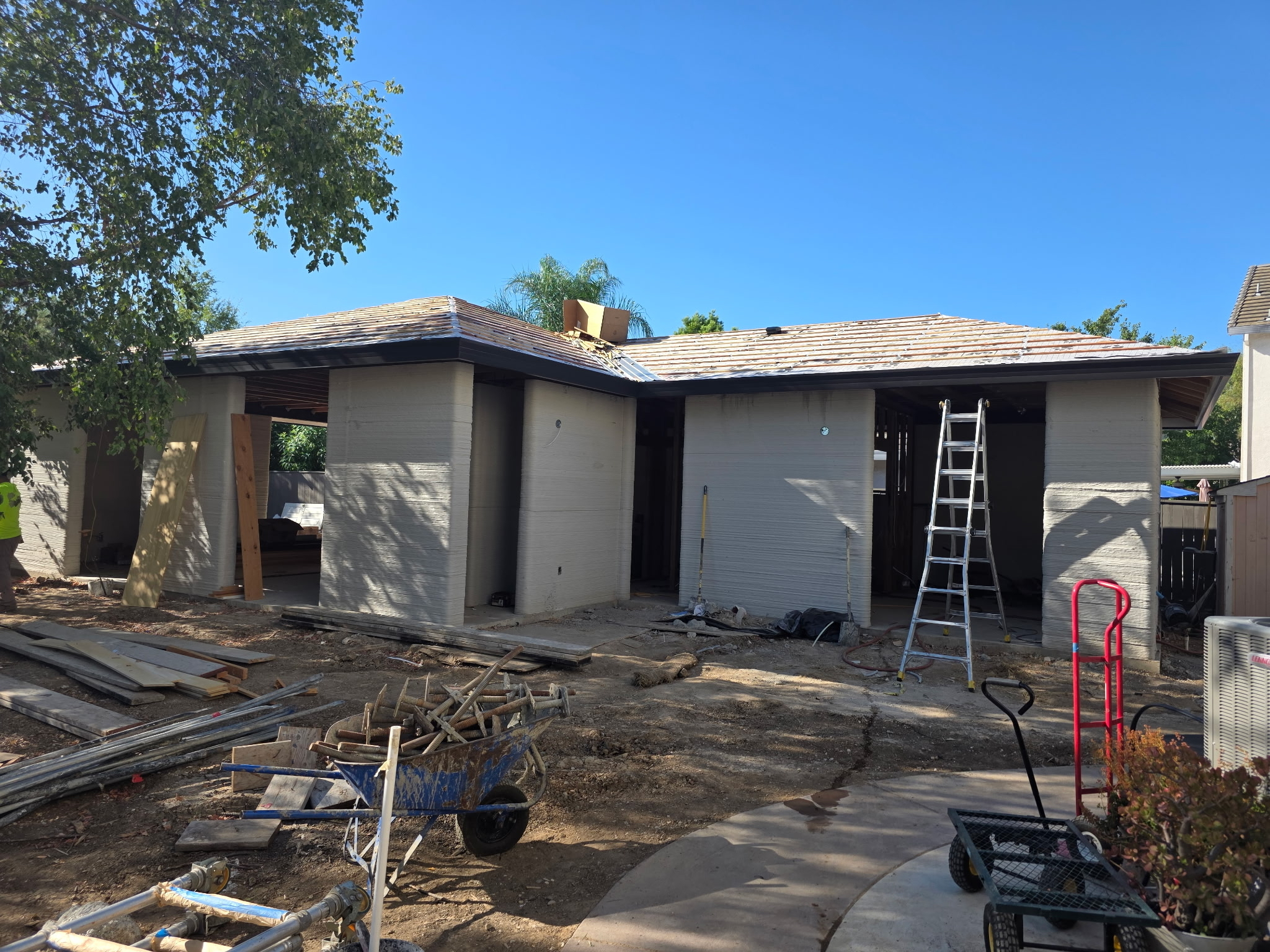
Sacramento has witnessed a groundbreaking development in construction technology with the creation of its first permitted concrete-printed home, completed in merely 12 days by K4K Construction and RIC Robotics. This project not only signifies a leap forward in autonomous construction but also establishes a potential precedent for future permitting processes, crucial for addressing the housing demand efficiently.
What Happened
The 1,200-square-foot structure, an accessory dwelling unit built for the founder of K4K Construction, David Gonzales, marks a milestone as Sacramento's first permitted concrete-printed home. The project was a collaborative effort between K4K Construction and RIC Robotics, utilizing autonomous construction technology. The initiative coordinated with the City of Sacramento to ensure the construction met seismic and governmental regulations. The completion of the main structure in 12 days is a testament to the efficiency of 3D printing technology in the construction industry. Following the printing, the project will continue with roof installation, then mechanical, electrical, and plumbing systems, interior finishes, and inspections.
What This Means for Your Business
For AECM professionals, this development signifies a shift towards more rapid and cost-effective construction methods. The successful permitting of this project can pave the way for easier approval processes for similar projects in the future, potentially lowering barriers for contractors interested in autonomous construction technologies. Additionally, the use of 3D printing can reduce labor costs and construction time, offering a competitive edge in the market. This innovation aligns with the increasing need for sustainable and efficient building solutions, promising significant ROI for early adopters.
What US Operators Should Watch
Operators should monitor developments in local and state permitting regulations influenced by this project. The City of Sacramento's collaboration in this project could serve as a model for other municipalities. Keeping an eye on updates regarding code-compliant pathways for concrete-printed residential projects is essential. Additionally, tracking advancements in autonomous construction technology and its integration into mainstream construction practices will be crucial for maintaining competitive positioning.
Source: Global Construction Review. Read the original story ->
Is your firm ready for what’s next?
VisioneerIT helps AECM and government contractors modernize operations, achieve compliance, and implement AI.
Explore VisioneerIT Solutions →