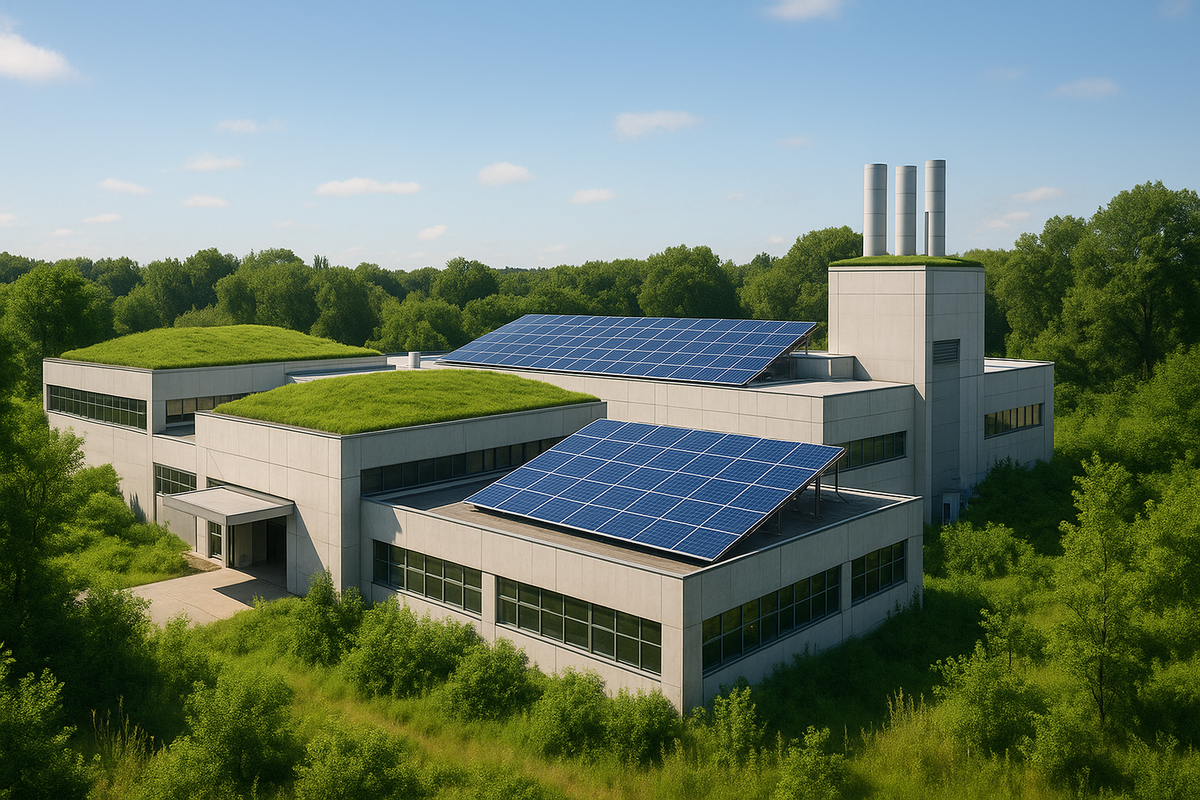
A zero-waste factory concept, emerging from the University of Sheffield, is set to redefine sustainable architecture. This innovative proposal, set in a repurposed textile mill, underscores a significant trend in architectural design towards sustainability and adaptive reuse of industrial spaces.
What Happened
The University of Sheffield's School of Architecture has unveiled a series of forward-thinking projects, among which a zero-waste factory stands out. This project is housed in a former textile mill that has been plagued by arson attacks, offering a unique opportunity to transform a troubled site into a beacon of sustainability. The proposal is part of a broader initiative by the university to foster innovation in architecture that addresses environmental and social challenges. Alongside the zero-waste factory, other projects include a supportive living-learning environment for student parents and a civic space within a historic London Fire Brigade building. These projects were showcased as part of the university's annual School Shows, which aim to highlight cutting-edge architectural designs.
What This Means for Your Business
For AECM professionals, the zero-waste factory project serves as a crucial case study in sustainable development and adaptive reuse. This initiative aligns with increasing client demands for environmentally friendly solutions and compliance with evolving sustainability regulations. The focus on zero waste not only addresses pressing environmental concerns but also enhances a company’s competitive edge by appealing to eco-conscious clients. Furthermore, the successful implementation of such designs can lead to reduced operational costs and improved ROI through efficient resource management.
What US Operators Should Watch
As sustainable architecture gains momentum, US operators should monitor developments in adaptive reuse and zero-waste designs. Key regulations such as the U.S. Green Building Council's LEED certification and other sustainability benchmarks will likely influence project planning and execution. Additionally, there may be federal funding opportunities for projects that align with sustainability goals. Staying informed of these trends will be essential for maintaining competitive positioning and ensuring compliance with environmental standards.
Source: Dezeen. Read the original story ->
Is your firm ready for what’s next?
VisioneerIT helps AECM and government contractors modernize operations, achieve compliance, and implement AI.
Explore VisioneerIT Solutions →