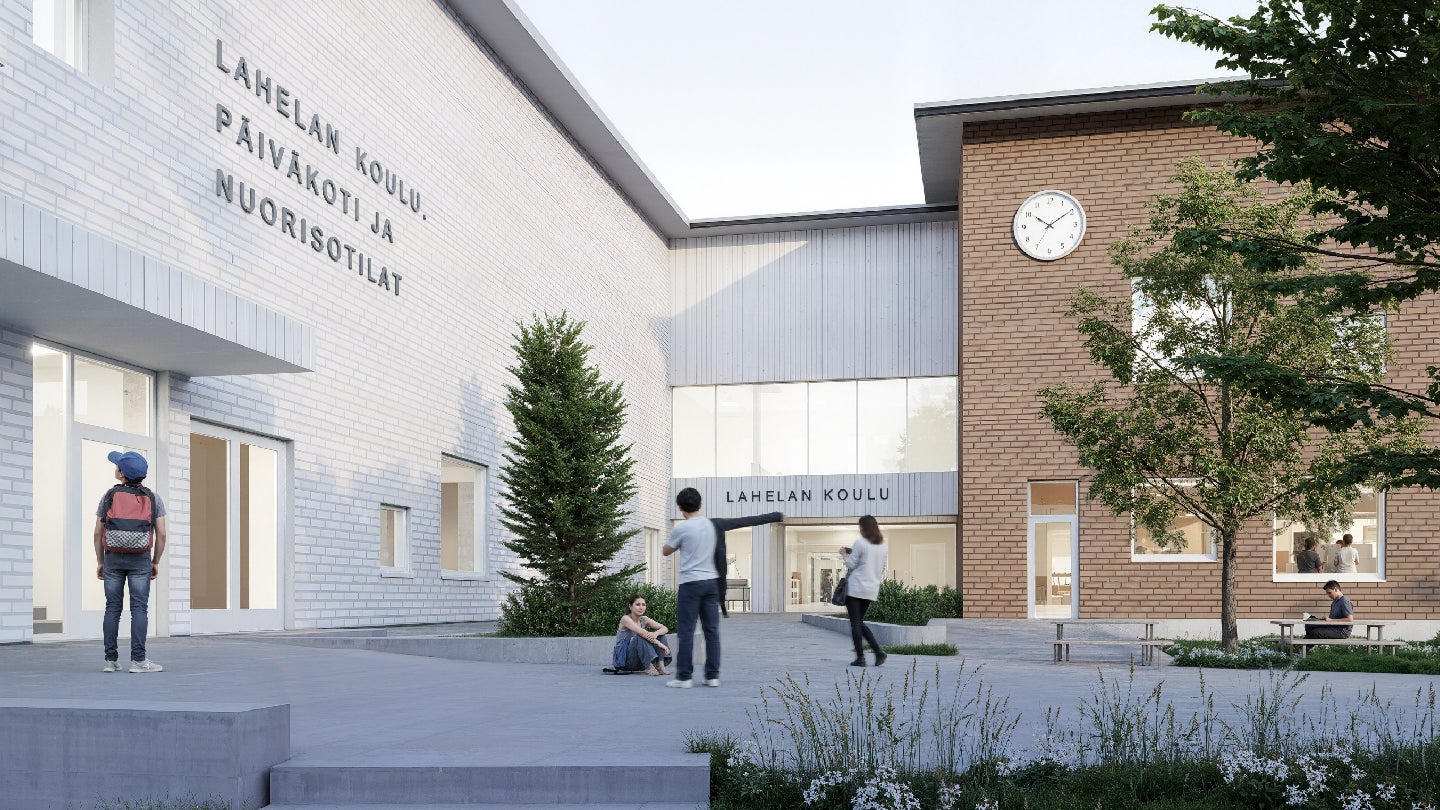
YIT's new €70 million project in Tuusula, Finland, is a strategic win with significant implications for AECM professionals. The Finnish construction giant has been awarded the contract to design, build, and manage a new educational and community complex in Lahela. This project not only enriches YIT’s portfolio but also sets a benchmark for sustainable development in educational infrastructure.
What Happened
YIT has signed an agreement with the Municipality of Tuusula to develop a multifaceted facility that will serve as both a school and a community hub. The project, valued at €70 million ($79 million), will be officially included in YIT's order book once the final building permit is approved. The new complex will span 13,900 square meters and accommodate 900 students from grades 1 to 9, 40 preschoolers, 168 children in early childhood education, and 120 staff members. The design incorporates youth facilities and aims to be a central community space offering leisure and recreational activities.
Construction is scheduled to begin in early spring 2027, with an expected completion date in late summer 2029. The facility will open for use in August 2029, consolidating the Hyrylä secondary school, Vaunukangas daycare center and school, and Ruotsinkylä school into a single complex. Notably, YIT will manage the complex for 20 years, optimizing energy use and maintaining the facility to minimize its environmental impact.
What This Means for Your Business
For AECM professionals, this project highlights the growing trend of integrating educational facilities with community functions, presenting opportunities for companies specializing in multipurpose construction. The €70 million contract reflects a robust investment in sustainable architecture, emphasizing the importance of energy-efficient designs in gaining competitive advantage. YIT’s commitment to achieving a five-star rating in the Rakennustieto environmental classification system underscores the increasing demand for environmentally responsible construction practices.
The project’s lifecycle model, which includes a 20-year service and maintenance agreement, suggests a shift towards long-term, sustainable partnerships. This approach could influence procurement strategies, emphasizing the need for capabilities in both construction and facility management. Additionally, the incorporation of a solar power system covering at least 30% of the building's electricity needs provides a case study in renewable energy integration, offering insights into potential ROI and cost savings.
What US Operators Should Watch
US operators should monitor the project's adherence to environmental standards as a potential model for similar initiatives stateside. The construction timeline from 2027 to 2029 provides a clear window for observing the project's development and impact. Given the increasing emphasis on sustainability, professionals should consider the potential for similar projects in the US that leverage renewable energy and lifecycle management models.
Source: World Construction Network. Read the original story ->
Is your firm ready for what’s next?
VisioneerIT helps AECM and government contractors modernize operations, achieve compliance, and implement AI.
Explore VisioneerIT Solutions →