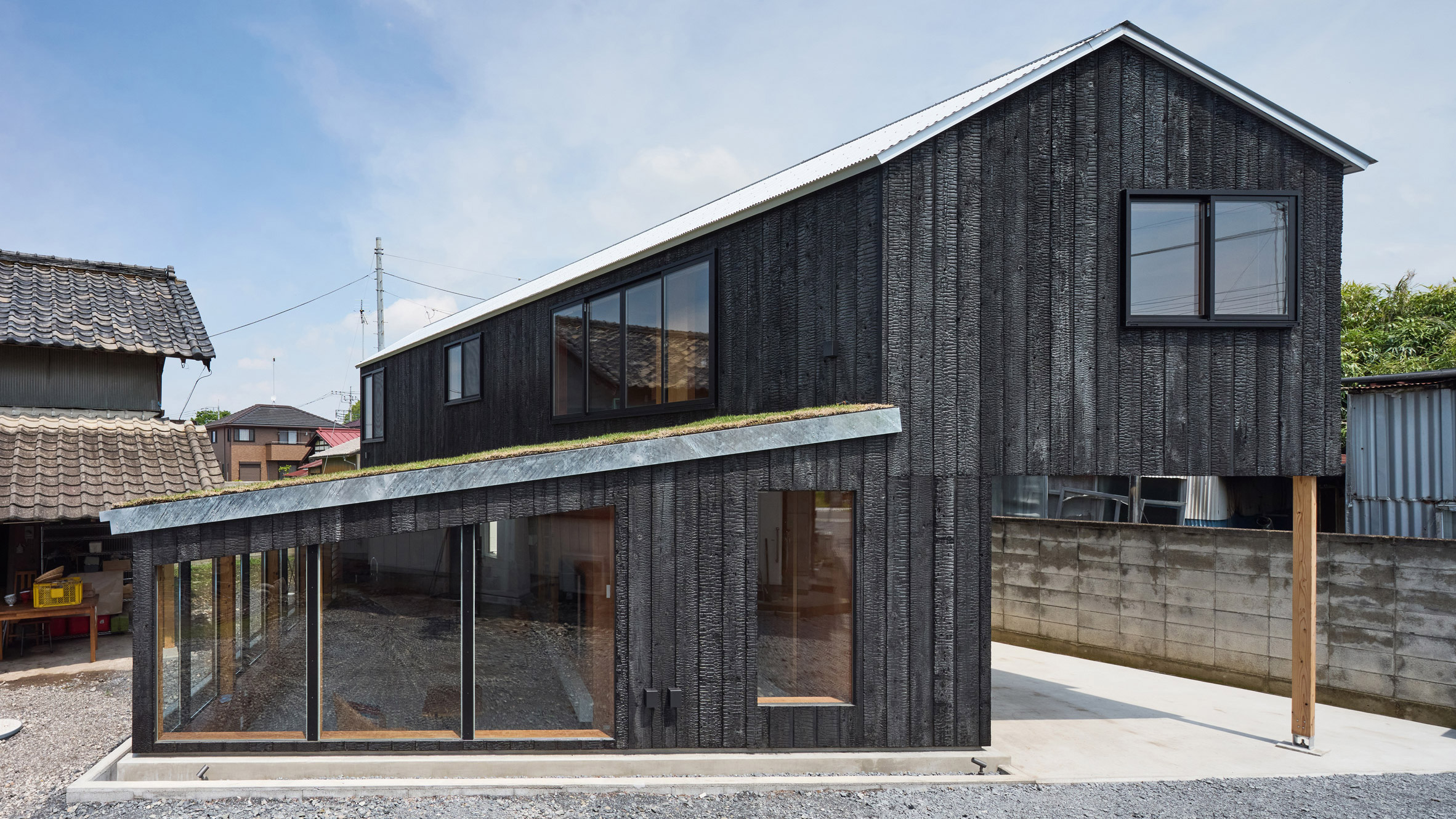
A new architectural gem has emerged on the Yatsugatake mountain plateau in central Japan, crafted by Keiji Ashizawa Design. This 225-square-metre holiday home uses charred cedar cladding to blend seamlessly with its natural surroundings while prioritizing privacy for its inhabitants. The innovative use of traditional materials in a modern context presents a compelling case study for architecture, engineering, and construction professionals interested in sustainable and culturally sensitive design.
What Happened
Japanese architecture studio Keiji Ashizawa Design has completed a holiday home that stands as a testament to innovative design and sustainable practices. The house, located in the serene Yatsugatake region, is clad in charred cedar—a traditional Japanese technique known as "shou sugi ban" that enhances the wood's durability and resistance to the elements. This design choice not only ensures longevity but also allows the structure to harmonize with its natural surroundings. The home features an "angled, folded form" that provides both aesthetic appeal and functional privacy, catering to the needs of a family who can use the space either alone or with guests.
What This Means for Your Business
For AECM professionals, the Yatsugatake house exemplifies how traditional materials and techniques can be integrated into modern architecture to meet sustainability goals. This approach can reduce long-term maintenance costs and improve environmental performance, aligning with growing client demands for eco-friendly solutions. The project serves as a reminder of the importance of cultural context in design decisions, offering insights into how local materials and methods can be leveraged to create structures that are both beautiful and sustainable. As sustainability becomes a cornerstone of modern construction, incorporating such practices can enhance competitive positioning and appeal to environmentally conscious clients.
What US Operators Should Watch
As federal and state governments increasingly prioritize sustainable construction, AECM professionals should monitor developments in materials science and traditional building techniques that offer environmental benefits. Keeping abreast of innovations in sustainable design, such as the use of charred wood, could provide a competitive edge in bidding for government contracts or private projects seeking LEED certification. Additionally, professionals should stay informed about potential changes in building codes that may favor the use of sustainable materials and methods.
Source: https://www.dezeen.com/2026/09/11/keiji-ashizawa-house-yatsugatake/. Read the original story ->
Is your firm ready for what’s next?
VisioneerIT helps AECM and government contractors modernize operations, achieve compliance, and implement AI.
Explore VisioneerIT Solutions →