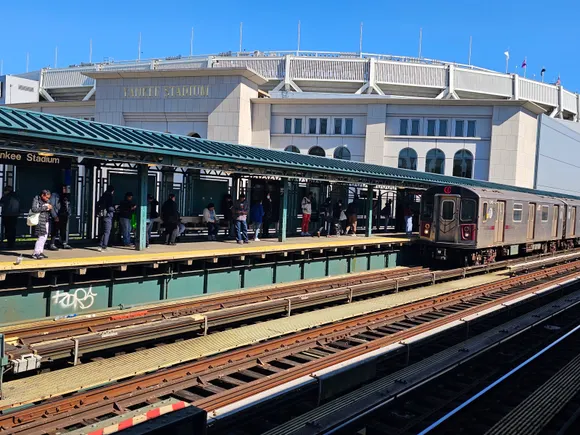
Halmar Infrastructure Development has completed the accessibility upgrade at the 161st Street-Yankee Stadium subway stop, a critical part of the Metropolitan Transportation Authority's (MTA) first public-private partnership (P3) transit project. This milestone in the $965.26 million project highlights a significant shift in how large-scale infrastructure projects are managed in New York City.
What Happened
As of October 15, Halmar announced the completion of the Yankee Stadium subway station upgrade, marking a pivotal step in the MTA's ambitious plan to revamp 13 subway stations across New York City. This project is the MTA's first venture into a design-build-finance-maintain contract model, a P3 delivery method that encompasses the full lifecycle of the project, from design and construction to financing and ongoing maintenance. Halmar Infrastructure Development, alongside Forte Construction, is spearheading the execution of this plan under the concessionaire Elevated Accessibility Enhancements. The project aims to finish construction on the remaining 12 stations by early 2027.
What This Means for Your Business
This P3 model represents a significant opportunity for AECM businesses, particularly those looking to engage with public infrastructure projects. The integrated approach allows for improved risk management and accountability, aligning incentives across all phases of the project. For firms engaged in design, construction, and maintenance, this model can lead to more streamlined operations and potentially higher ROI through long-term engagement. Additionally, the project highlights the growing trend of using P3s to tackle complex infrastructure challenges, suggesting a shift that could open new contract opportunities for firms equipped to handle comprehensive project scopes.
What US Operators Should Watch
AECM professionals should monitor the progress of the remaining 12 stations, expected to be completed by early 2027. This timeline not only affects current project participants but also signals potential future opportunities as the MTA and other agencies may adopt similar P3 models for upcoming infrastructure projects. Keeping an eye on the MTA's procurement strategies and any updates on their commitment to P3 models will be crucial for staying competitive in the contracting space.
Is your firm ready for what’s next?
VisioneerIT helps AECM and government contractors modernize operations, achieve compliance, and implement AI.
Explore VisioneerIT Solutions →