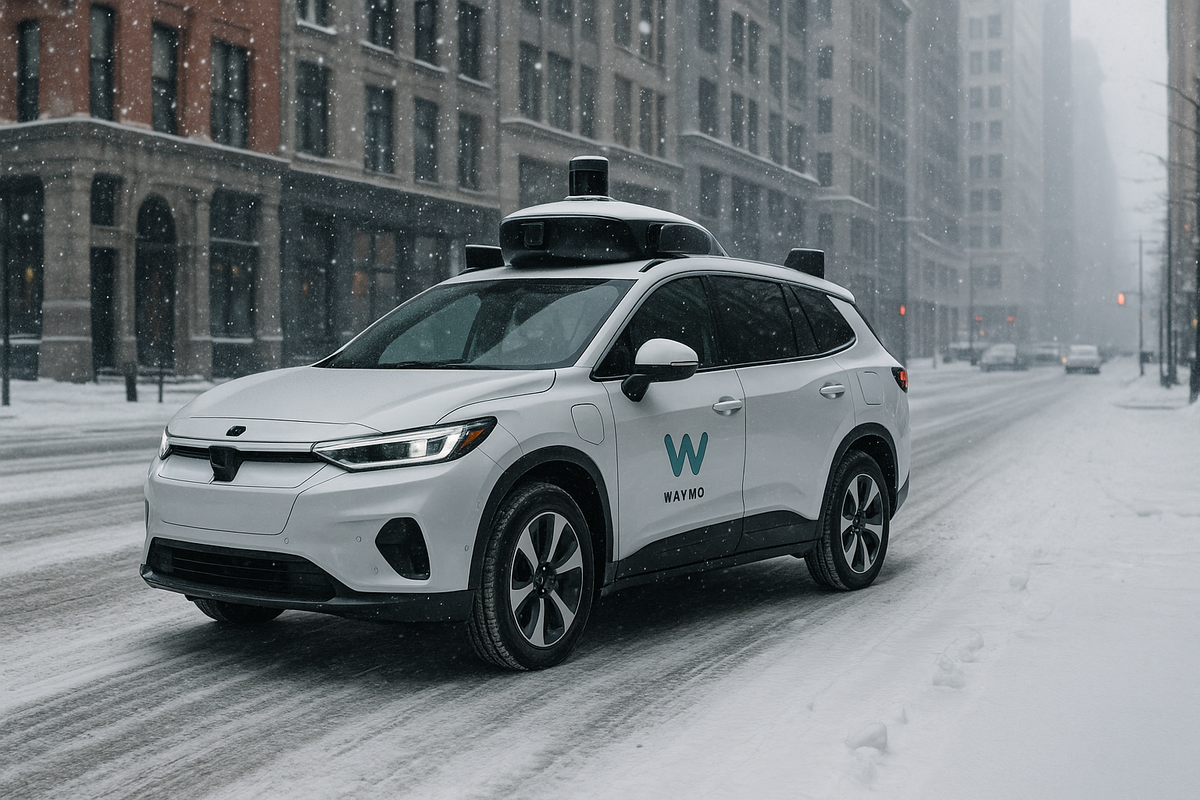
Waymo has unveiled its latest fleet of purpose-built robotaxis, equipped with advanced software designed to enhance performance in challenging winter weather. This development marks a significant step forward in autonomous vehicle technology, with implications for urban transportation and infrastructure planning.
What Happened
Waymo, a subsidiary of Alphabet Inc., has announced the rollout of its newest autonomous vehicles, specifically engineered to navigate and operate efficiently in harsh winter conditions. These robotaxis, part of Waymo's Ojai project, are distinguished by their ability to handle snow, ice, and other adverse weather elements more effectively than their predecessors. The vehicles incorporate Waymo’s latest software innovations, which aim to improve safety and reliability in environments traditionally challenging for autonomous systems.
The introduction of these enhanced robotaxis aligns with Waymo's broader strategy to expand its autonomous ride-hailing services across diverse climates. As urban centers increasingly consider autonomous solutions to address transportation challenges, Waymo's advancements could serve as a model for integrating such technologies into existing infrastructures.
What This Means for Your Business
For AECM professionals, Waymo's advancements in autonomous vehicle technology present several opportunities and considerations. The improved performance of these robotaxis in winter conditions could influence urban planning and infrastructure design, particularly in regions prone to severe weather. This development may prompt municipalities to revisit their transportation strategies, potentially leading to new contracts for infrastructure modifications or enhancements to accommodate autonomous vehicles.
Moreover, companies involved in the manufacturing and engineering sectors could see increased demand for components and systems that support autonomous technology. The emphasis on software development and integration also highlights the growing importance of cybersecurity and compliance, particularly with standards like the Cybersecurity Maturity Model Certification (CMMC).
What US Operators Should Watch
Stakeholders should monitor the regulatory landscape as federal and state governments evaluate the implications of widespread autonomous vehicle deployment. Key dates for compliance with evolving standards, such as the CMMC and NIST frameworks, will be crucial for businesses aiming to
Is your firm ready for what’s next?
VisioneerIT helps AECM and government contractors modernize operations, achieve compliance, and implement AI.
Explore VisioneerIT Solutions →