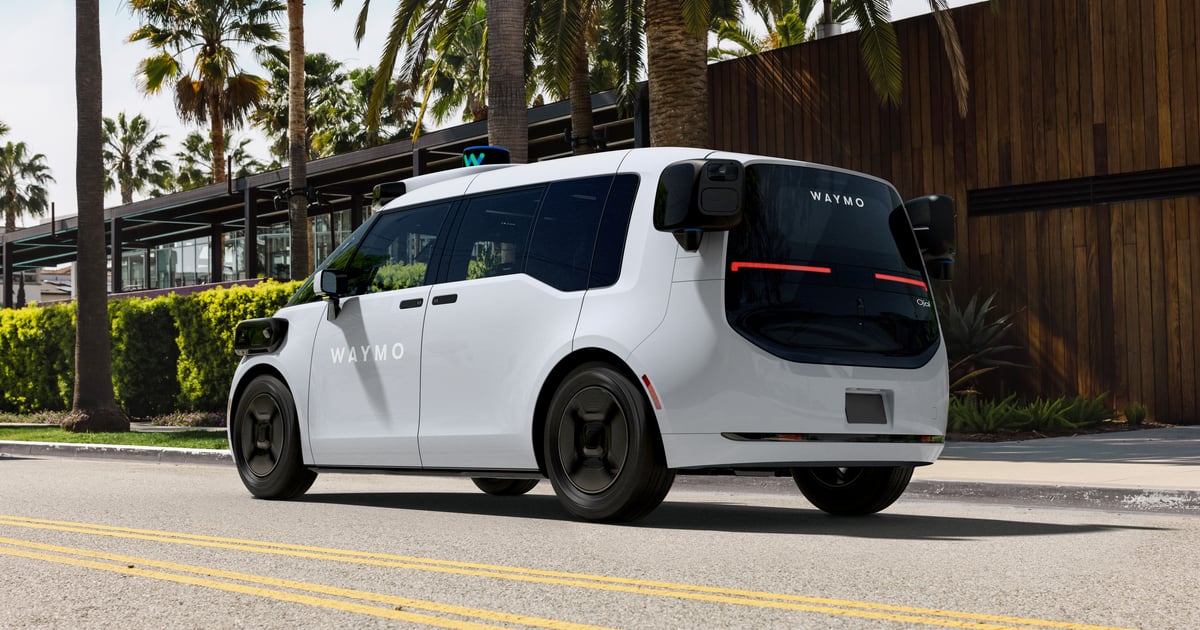
Waymo's latest robotaxi has made its much-anticipated debut, marking a significant milestone in autonomous vehicle technology. This launch is crucial for the AECM industry as it represents a shift towards smarter, AI-driven urban infrastructure.
What Happened
Waymo, a subsidiary of Alphabet Inc., has unveiled its all-new robotaxi, a vehicle designed to operate without a human driver. This debut is a part of Waymo's ongoing efforts to revolutionize urban transportation through cutting-edge AI technology. The robotaxi is equipped with advanced sensors and machine learning capabilities, allowing it to navigate complex urban environments safely and efficiently.
This development is particularly significant as it follows years of rigorous testing and regulatory scrutiny. Waymo's approach combines AI with real-world data to enhance vehicle safety and performance, setting a new standard in the autonomous vehicle industry. The robotaxi is expected to be a game-changer in cities where traffic congestion and pollution are growing concerns.
What This Means for Your Business
For AECM professionals, the introduction of Waymo's robotaxi presents several business implications. The rise of autonomous vehicles is likely to influence urban planning and infrastructure projects, necessitating new designs that accommodate driverless technology. This shift could lead to increased demand for smart city solutions, where infrastructure is integrated with AI to improve traffic flow and reduce emissions.
Additionally, companies involved in government contracting may find new opportunities in sectors related to autonomous vehicle infrastructure, such as road safety enhancements, smart traffic systems, and urban connectivity solutions. The integration of AI into transportation systems aligns with federal initiatives promoting innovation in infrastructure, potentially unlocking new federal funding streams.
What US Operators Should Watch
Operators in the AECM industry should be vigilant about upcoming regulatory changes and federal initiatives that support autonomous vehicle technology. Keeping an eye on deadlines for compliance with new safety standards and infrastructure requirements will be crucial. Moreover, as CMMC and NIST compliance become increasingly significant, businesses should prepare for a future where cybersecurity and AI integration are pivotal.
The continued development of Waymo's robotaxi could also lead to shifts in procurement strategies, as businesses may need to invest in AI technologies and partnerships to remain competitive. Monitoring these trends and adapting business strategies accordingly will be key to capitalizing on the opportunities presented by the autonomous vehicle revolution.
Source: https://aibusiness.com/generative-ai/all-new-waymo-robotaxi-finally-debuts. Read the original story ->
Is your firm ready for what’s next?
VisioneerIT helps AECM and government contractors modernize operations, achieve compliance, and implement AI.
Explore VisioneerIT Solutions →