Virtual Design and Construction (VDC) and Building Information Modeling (BIM) are rapidly transforming the construction industry, offering unprecedented efficiencies and accuracy. As these technologies become more integrated into standard practices, construction professionals must adapt to remain competitive and capitalize on the benefits.
What Happened
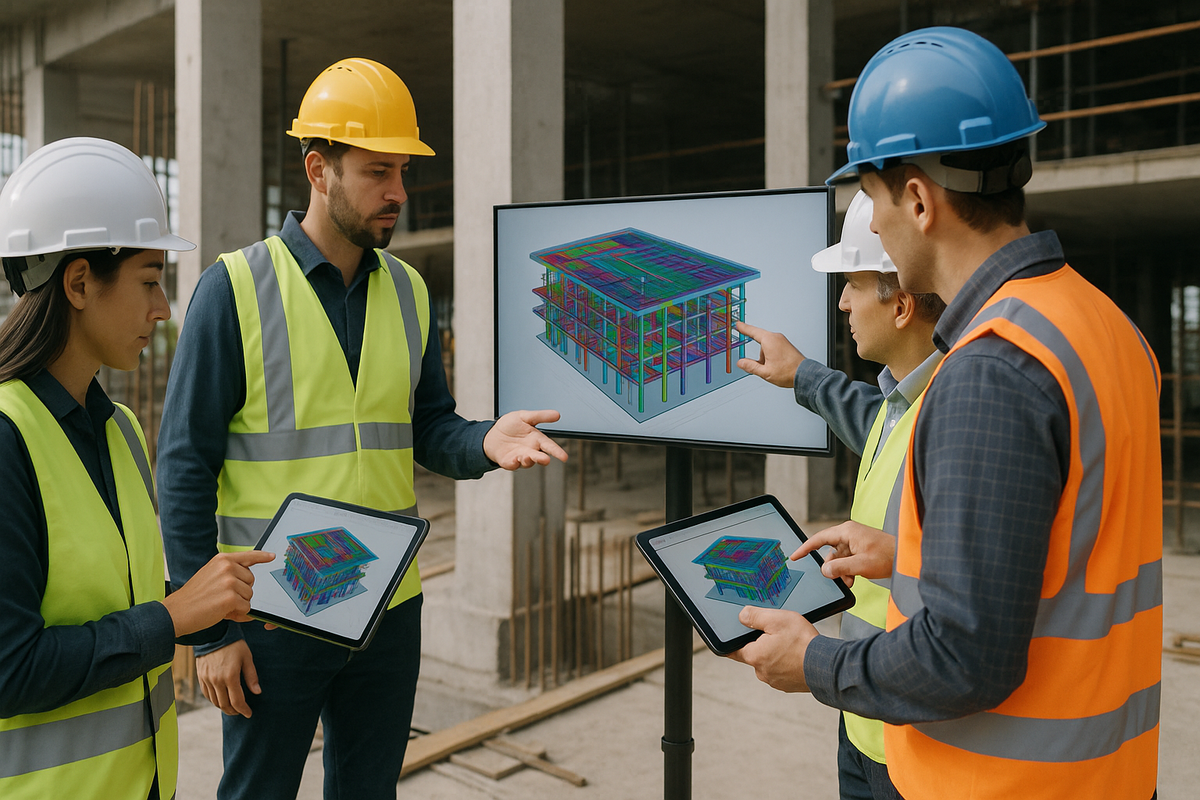
VDC and BIM are at the forefront of a technological shift in construction. These tools allow for detailed 3D models of buildings and infrastructure projects, facilitating better planning, design, and management. By incorporating comprehensive data sets, these models enable stakeholders to visualize, simulate, and analyze every aspect of a project before breaking ground. This shift is particularly evident as more firms report reduced project timelines and cost savings due to the predictive capabilities of these technologies.
Why It Matters for the AECM Industry
For professionals in architecture, engineering, construction, and manufacturing, the adoption of VDC and BIM signifies a major leap forward in project management and execution. These technologies reduce errors and rework by detecting potential design conflicts early in the planning phase. This not only cuts down on material waste but also streamlines workflows, leading to significant cost savings. Additionally, BIM's robust data models enhance collaboration among teams, ensuring that all stakeholders are aligned throughout the project lifecycle. The increased accuracy and efficiency help firms meet sustainability goals and comply with evolving building codes and standards, thus enhancing competitive advantage.
What's Next
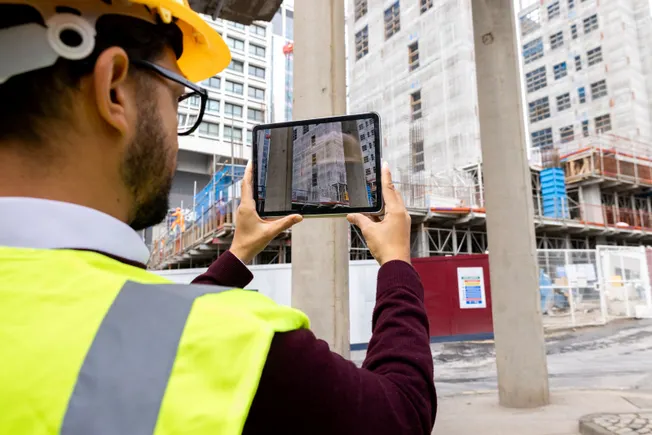
As the industry continues to embrace these technologies, professionals should anticipate further advancements and integration of AI tools to enhance VDC and BIM capabilities. Upcoming developments may focus on real-time data integration, augmented reality applications, and enhanced predictive analytics. Stakeholders should stay informed about these trends and invest in training and development to leverage these tools fully. Additionally, policy updates and standardizations around BIM may emerge, offering further guidance and structure for its implementation.
Partner Insight · VisioneerIT
The integration of VDC and BIM in construction aligns with VisioneerIT's expertise in Digital Twin solutions, enhancing real-world infrastructure management. Our technology leverages IoT sensors and real-time analytics to optimize project outcomes.
Explore VisioneerIT Digital Twin Solutions →
Is your firm ready for what’s next?
VisioneerIT helps AECM and government contractors modernize operations, achieve compliance, and implement AI.
Explore VisioneerIT Solutions →