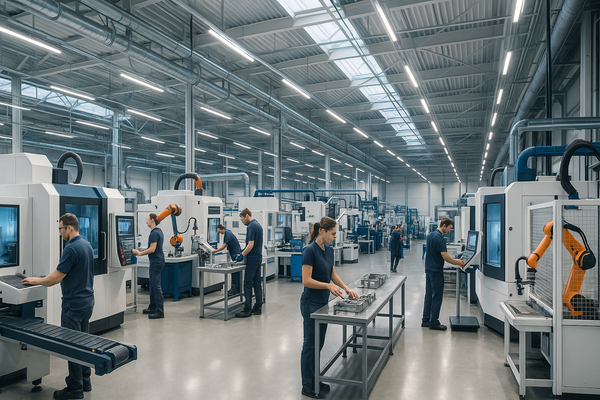
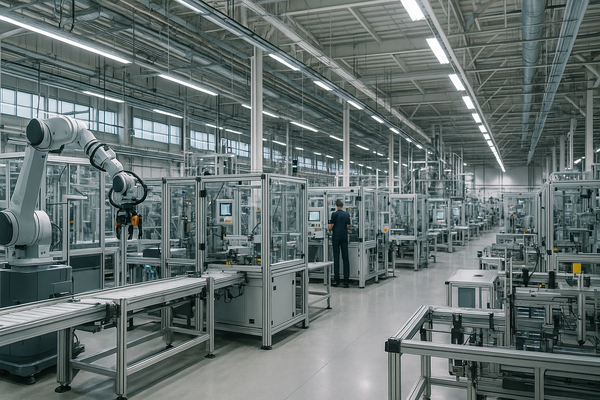
U.S. manufacturing activity surged in May, reaching its most robust pace in two years, despite broader economic slowdown and geopolitical tensions. This unexpected growth offers a beacon of hope for the industrial sector amid inflationary pressures and supply chain disruptions.
What Happened
In a surprising turn, the U.S. manufacturing sector expanded significantly in May, with the Institute for Supply Management's (ISM) Manufacturing Purchasing Managers’ Index climbing to 54%, up 1.3 percentage points from April. This marks the sector's fifth consecutive month of growth and its highest level since May 2022. In contrast, the U.S. Commerce Department revised the first-quarter GDP growth down to 1.6%, citing lower inventory investment and reduced consumer spending on services.
Key manufacturing indicators, such as the New Orders Index, rose to 56.8%, a 2.7 percentage point increase from April, signaling strong demand. The Production Index also increased to 54.3%, marking seven months of continuous expansion. However, the Employment Index remained below the growth threshold at 48.6%, despite a slight improvement from the previous month.
Inflationary pressures persist, with the ISM Prices Index at 82.1%, indicating continued raw material price increases for the 20th month in a row. Geopolitical tensions in the Middle East, particularly involving Iran, are exacerbating supply chain disruptions and driving up energy costs, affecting steel and aluminum prices.
What This Means for Your Business
For businesses in the AECM and government contracting sectors, this manufacturing surge presents both opportunities and challenges. The expansion in new orders and production suggests potential growth in demand for construction and engineering projects. However, continued inflation and geopolitical uncertainties could impact material costs and supply chain reliability.
Companies should closely monitor contract negotiations and procurement strategies to mitigate cost increases. Compliance with regulations such as CMMC and NIST remains essential, especially as supply chain vulnerabilities persist. Leveraging federal funding opportunities for infrastructure and defense projects could provide a competitive edge.
What US Operators Should Watch
Decision-makers should track federal procurement windows and regulation timelines closely. The ongoing geopolitical tensions and inflationary trends require vigilant monitoring of supply chain dynamics and material pricing. Upcoming CMMC audit dates and bid opportunities could significantly impact competitive positioning and resource allocation.
Source: https://www.eetimes.com/manufacturing-accelerates-in-may-amid-inflation-and-geopolitical-headwinds/. Read the original story ->
Is your firm ready for what’s next?
VisioneerIT helps AECM and government contractors modernize operations, achieve compliance, and implement AI.
Explore VisioneerIT Solutions →