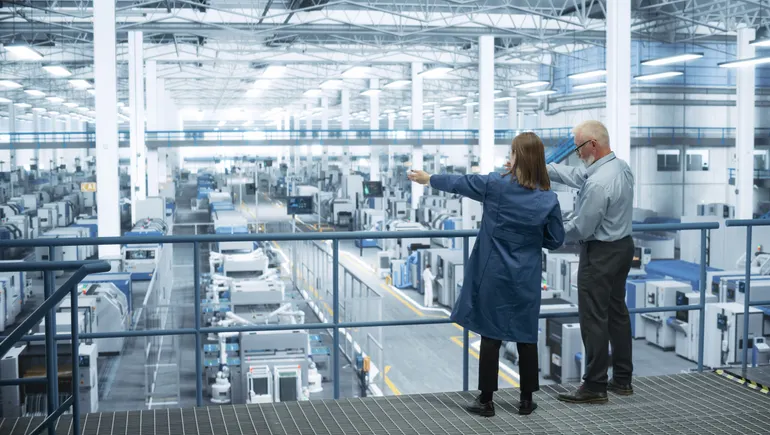
Lights-out manufacturing—where human involvement is minimized or eliminated—has captured the attention of industry leaders globally. While China is already embracing this with vigor, U.S. manufacturers are increasingly looking to invest in robotics, automation, and artificial intelligence (AI) to enhance operational efficiencies. This shift is crucial for maintaining competitiveness in a rapidly evolving global market.
What Happened
U.S. manufacturers are showing a strong interest in automation technologies, according to the 2026 State of Manufacturing Operations & Maintenance Study. Almost 80% of manufacturing leaders surveyed plan to invest in robotics, automation, and AI over the next year. Specifically, 39% intend to allocate funds to robotics and automation by 2026 to boost operational efficiency, and another 39% are focusing on AI investments. This marks a significant increase from 2025, where only 28% had plans for AI investments.
In contrast, China installed 276,000 industrial robots in 2023, surpassing all other countries combined. During the same period, U.S. manufacturers installed only 38,000 industrial robots, highlighting a significant gap in automation adoption.
What This Means for Your Business
For U.S. manufacturers, this trend underscores the need to adopt a phased approach to automation due to challenges like high upfront costs, workforce training, and supply chain unpredictability. A phased approach allows businesses to gradually integrate automation technologies, starting with attended automation and moving towards lights-out operations.
From a compliance perspective, integrating new technologies must align with existing frameworks like the Cybersecurity Maturity Model Certification (CMMC) and NIST guidelines, especially as digital systems increase vulnerability to cyber threats. For federal contractors, staying ahead in automation technology can enhance competitive positioning in government procurement, potentially increasing ROI through improved efficiency and reduced labor costs.
What US Operators Should Watch
Decision-makers should monitor federal funding opportunities that support automation and AI adoption. Additionally, staying attuned to updates in compliance requirements is crucial as technology integration can introduce new regulatory challenges. Operators should also prepare for potential shifts in workforce dynamics, as automation can impact job roles and necessitate reskilling initiatives.
Source: Plant Engineering. Read the original story ->
Is your firm ready for what’s next?
VisioneerIT helps AECM and government contractors modernize operations, achieve compliance, and implement AI.
Explore VisioneerIT Solutions →