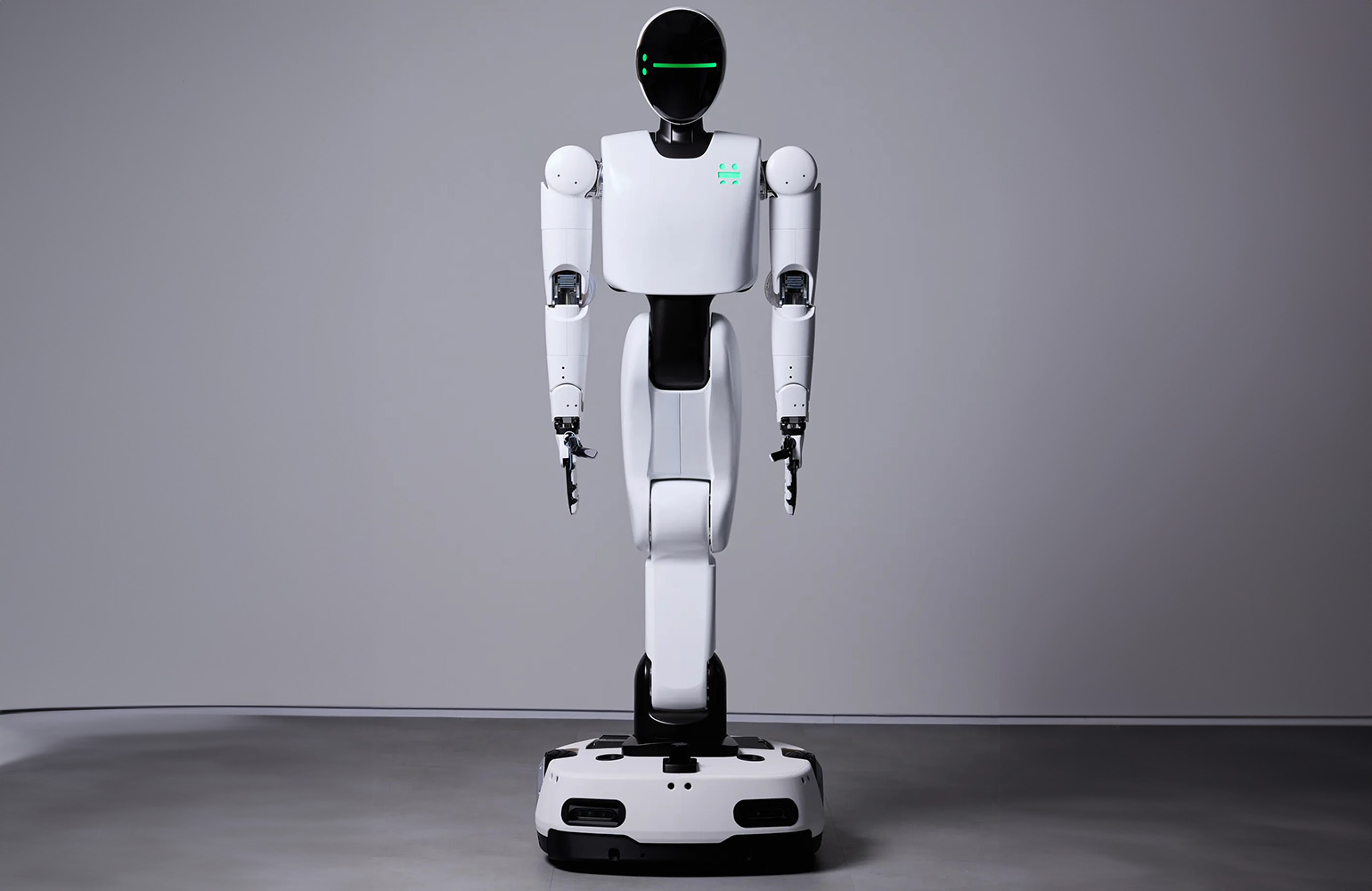
AI and industrial automation are generating buzz in the tech world, but many U.S. manufacturers are slow to jump on the bandwagon. While these technologies promise efficiency, cost savings, and competitive advantages, hesitations remain due to various hurdles.
What Happened
Despite the growing prominence of AI and automation, a significant portion of U.S. manufacturers have yet to implement these technologies. The reluctance stems from several factors, including high initial costs, a lack of skilled labor to manage and operate new systems, and uncertainty about the return on investment. These challenges are compounded by the complexity of integrating AI into existing manufacturing processes, which can be a daunting task for many firms.
According to a recent report, while larger companies with greater resources are beginning to explore AI and automation, smaller manufacturers remain cautious. The disparity highlights a gap in technological advancement that could widen the competitive landscape.
Why It Matters for the AECM Industry
For project managers, engineers, and manufacturers, the slow adoption of AI and automation in manufacturing presents both challenges and opportunities. On one hand, the delay in adoption could lead to inefficiencies and missed opportunities for cost reduction and productivity gains. On the other hand, firms that can overcome these barriers and implement AI successfully may gain a significant competitive edge.
The hesitation also affects supply chain dynamics. As manufacturers delay automation, the ripple effects can impact timelines and costs for construction and engineering projects that rely on timely manufacturing outputs. Furthermore, the skills gap in operating advanced technologies highlights a need for workforce training and development, which is crucial for the industry’s evolution.
What's Next
For industry professionals, keeping an eye on policy developments and training initiatives is critical. Government incentives or grants could play a role in encouraging more widespread adoption of AI and automation. Additionally, professionals should watch for technological advancements that lower entry barriers and make implementation more feasible for smaller firms.
As the landscape evolves, staying informed and adaptable will be key strategies for those looking to remain competitive in the ever-changing world of manufacturing and construction.
Source:
The slow adoption of AI and automation in manufacturing highlights the need for digital modernization. VisioneerIT specializes in modernizing legacy systems and implementing workflow automation to help manufacturers overcome these barriers.
Explore VisioneerIT Software Engineering & Digital Modernization →
Is your firm ready for what’s next?
VisioneerIT helps AECM and government contractors modernize operations, achieve compliance, and implement AI.
Explore VisioneerIT Solutions →