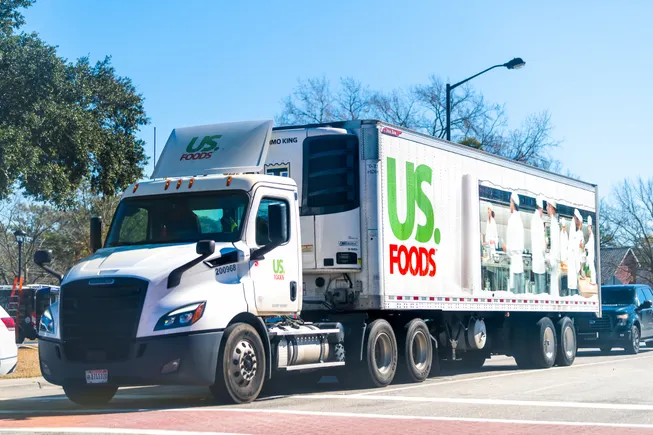
US Foods is set to expand its use of inventory-scanning robots across six more warehouses by the end of 2026, aiming to enhance its operational efficiency and cost-effectiveness. This development, announced by CEO David Flitman during a recent earnings call, marks a significant step in the company's automation strategy, which is crucial for maintaining competitive advantage in the food service distribution sector.
What Happened
US Foods has initiated testing of autonomous inventory-scanning robotics at one of its warehouses and plans to extend this pilot to an additional six locations by December 2026. These robots are designed to count inventory accurately within a 24-hour period, offering a cost-efficient solution equivalent to employing one human worker. This initiative is part of a broader move towards automation, which also includes ongoing projects at their Aurora, Illinois facility and expansion plans in Texas, where the company operates four facilities. The use of artificial intelligence (AI) in route optimization, volume forecasting, and workforce management is also being leveraged to enhance service levels and optimize working capital.
What This Means for Your Business
For AECM professionals and government contractors, US Foods' expansion into robotics and AI underscores the growing importance of automation in supply chain and inventory management. This trend presents significant opportunities for companies specializing in robotics, AI, and related technologies to partner with food service distributors and manufacturers. The integration of such technologies can lead to improved productivity, enhanced service delivery, and expanded profit margins. Moreover, as automation reduces reliance on manual labor, businesses can achieve significant cost savings, making it a valuable investment in the long term.
What US Operators Should Watch
Companies should closely monitor the developments in automation technologies within the food service distribution sector. Keeping an eye on federal funding opportunities for tech-driven projects and aligning with advancements in AI and robotics can position businesses to capitalize on emerging trends. Furthermore, understanding compliance requirements and ensuring adherence to standards like CMMC and NIST will be critical as digital transformation accelerates across industries. Decision-makers should also track the outcomes of US Foods' pilot projects to gauge the potential ROI and competitive advantages of adopting similar technologies.
Source: Supply Chain Dive
Is your firm ready for what’s next?
VisioneerIT helps AECM and government contractors modernize operations, achieve compliance, and implement AI.
Explore VisioneerIT Solutions →