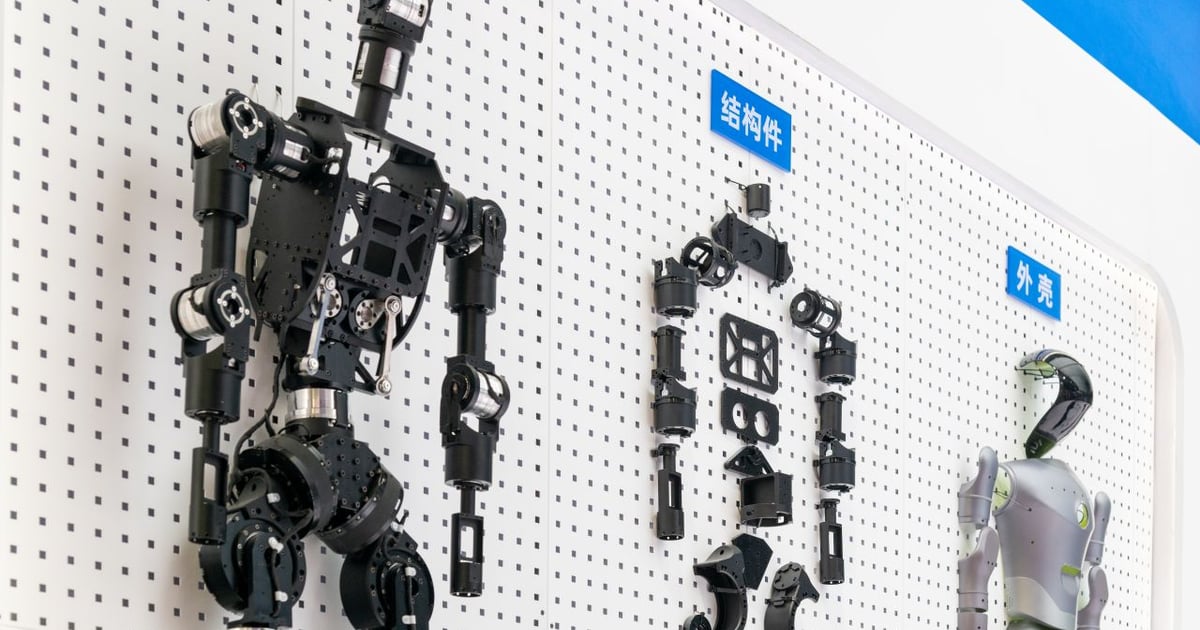
The United States government has imposed a ban on the import of humanoid robots manufactured in China, a move that could have significant implications for the architecture, engineering, construction, and manufacturing (AECM) sectors. This decision comes amid growing concerns over national security and the protection of sensitive technologies.
What Happened
The US government's ban on Chinese humanoid robots is part of a broader strategy to safeguard critical technologies and intellectual property. This decision specifically targets humanoid robots that are increasingly utilized in various industrial applications, including manufacturing, construction, and logistics. These robots, produced by leading Chinese companies, have been gaining traction in the US market due to their advanced capabilities in automating complex tasks, enhancing productivity, and reducing labor costs.
The ban, effective immediately, restricts the import and use of these robots, compelling US companies to seek alternative suppliers or develop domestic solutions. The US government has cited concerns over data privacy and the potential for espionage as key reasons for the restriction. This move aligns with previous actions taken to limit the influence of Chinese technology firms in critical sectors.
What This Means for Your Business
For AECM professionals, the ban presents both challenges and opportunities. Companies that have relied on Chinese humanoid robots for automation will need to reassess their procurement strategies and explore domestic or other international suppliers that comply with US regulations. This shift may lead to increased costs in the short term as businesses adapt to new suppliers or invest in developing in-house robotic solutions.
Moreover, the ban underscores the importance of compliance with federal regulations, including adherence to cybersecurity standards such as the Cybersecurity Maturity Model Certification (CMMC) and National Institute of Standards and Technology (NIST) guidelines. Firms must ensure that their technology partners meet these standards to avoid disruptions and potential penalties.
On the upside, the restriction opens up opportunities for US-based robotics companies to expand their market presence and develop innovative solutions tailored to the needs of the AECM industry. Federal funding and incentives for domestic technology development may also provide a boost to companies investing in homegrown robotic solutions.
What US Operators Should Watch
AECM stakeholders should closely monitor developments in federal policies regarding technology imports and compliance requirements. Key dates to watch include upcoming procurement windows for government contracts that may prioritize domestic robotic solutions. Additionally, staying informed about changes in CMMC and NIST compliance timelines will be crucial for maintaining eligibility for federal contracts.
US companies should also keep an eye on emerging domestic robotic technologies and consider partnerships or collaborations with local tech firms to enhance their automation capabilities. This proactive approach will help mitigate the impact of the ban and position businesses competitively in a rapidly evolving market.
Source: https://aibusiness.com/robotics/how-us-ban-chinese-humanoid-robots-could-affect-the-industry. Read the original story ->
Is your firm ready for what’s next?
VisioneerIT helps AECM and government contractors modernize operations, achieve compliance, and implement AI.
Explore VisioneerIT Solutions →


