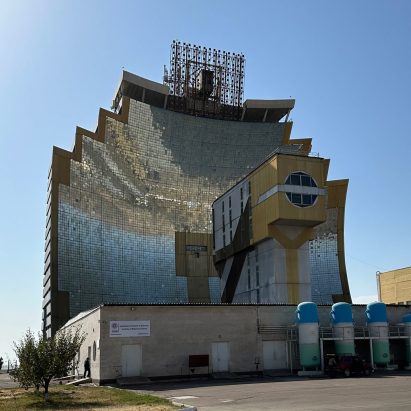
Tashkent's Soviet-era architectural marvels have received global recognition as UNESCO adds ten modernist buildings to its World Heritage list. This designation, announced in July 2026, underscores the architectural and cultural significance of these structures, originally constructed between the 1960s and 1980s in Uzbekistan's capital. For the AECM industry, this development not only highlights the enduring legacy of Soviet modernism but also sets a precedent for the preservation and potential revitalization of similar structures worldwide.
What Happened
The UNESCO listing came as a result of the Tashkent Modernism XX/XXI research and preservation project, a multi-year effort led by the Uzbekistan Art Academy alongside other cultural bodies. These ten buildings, emblematic of Soviet modernist design, now enjoy protected status, ensuring their conservation for future generations. The recognition marks a significant milestone for Uzbekistan, emphasizing the country's rich architectural heritage and highlighting Tashkent's unique urban landscape.
What This Means for Your Business
For architecture, engineering, and construction professionals, this recognition by UNESCO can serve as a catalyst for increased interest and investment in Soviet-era modernist architecture. The protection of these buildings can lead to opportunities for restoration projects, requiring expertise in both historical preservation and modern construction techniques. Additionally, this move could inspire similar preservation efforts in other regions with Soviet-era structures, potentially opening new markets for AECM firms specializing in heritage projects. The focus on preserving modernist architecture may also drive innovation in materials and techniques, as firms seek to balance historical authenticity with contemporary functionality and sustainability.
What US Operators Should Watch
While the immediate effects are centered in Uzbekistan, the global implications are notable. US firms should monitor developments in international architectural preservation standards, as these could influence domestic regulations and project opportunities. Awareness of UNESCO's criteria for heritage listing can inform strategic planning for projects involving historic structures. Additionally, firms might consider partnerships or collaborations with Uzbek entities to bring specialized expertise to similar projects, potentially enhancing their portfolio and global reach. As the spotlight turns to Soviet modernism, firms should be prepared for a potential increase in demand for related services, including conservation, adaptive reuse, and sustainable retrofitting.
---
Source: Dezeen. Read the original story ->
Is your firm ready for what’s next?
VisioneerIT helps AECM and government contractors modernize operations, achieve compliance, and implement AI.
Explore VisioneerIT Solutions →