A former school in Stavyshche, central Ukraine, is being converted into a residential complex providing 42 homes for families displaced by Russia's invasion. The transformation of this 1,900-square-meter building, now called Dvir, into housing units is a significant step in addressing the urgent need for accommodations for internally displaced people (IDP) in Ukraine.
What Happened
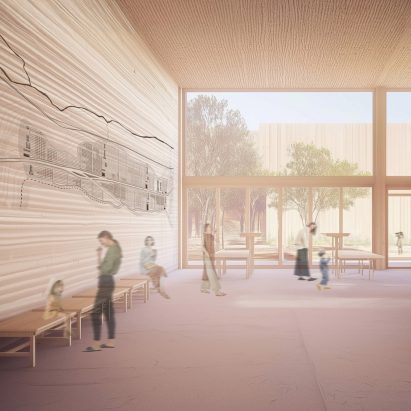
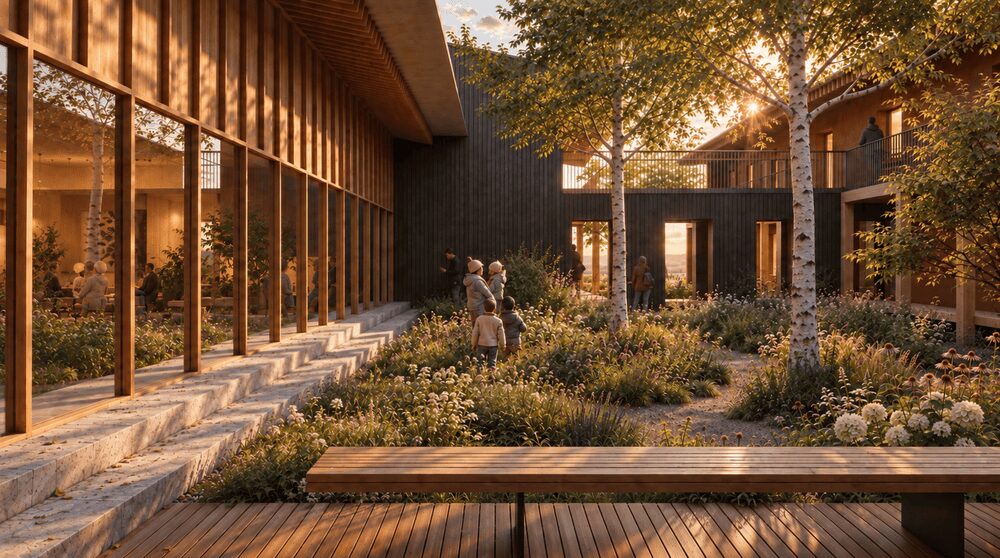
The Dvir project is a collaborative effort between the Italian and Swiss architectural firm Office for Future and the charity Housing for IDP. The design retains much of the building's original structure, minimizing internal alterations while optimizing space for new facilities. The project will include studios, and one-, two-, and three-bedroom apartments, with accessible options for residents with disabilities. A new timber roof will support 800 square meters of photovoltaic panels, enhancing the building's sustainability. The former school's courtyard will be transformed into a green space, integrating pedestrian pathways from the existing asphalt.
Paolo Russo, founder of Office for Future, emphasized the importance of the project in fostering a new community. "We wanted a new community to be born here, capable of integrating into the broader community of Stavyshche," Russo stated. The project aims to provide high-quality living spaces and communal areas to encourage interaction between new residents and the existing community. Completion is expected by 2028.
What This Means for Your Business
For US AECM operators, the Dvir project underscores the potential for construction and architectural firms to engage in international humanitarian efforts, particularly in regions affected by conflict. The project's emphasis on renewable energy and sustainable design aligns with global trends in eco-friendly construction. Companies involved in similar initiatives may find opportunities to leverage their expertise in sustainable building practices, modular construction, and community integration.
Moreover, the involvement of European architectural firms highlights the competitive landscape for global projects. US firms seeking to expand internationally should consider partnerships with local entities and charities to enhance their competitive positioning. The focus on minimal intervention in existing structures may also serve as a model for cost-effective renovations in the face of material and labor constraints.
What US Operators Should Watch
Operators should monitor the progression of the Dvir project for insights into adaptive reuse strategies and sustainable building practices in post-conflict regions. Key deadlines include the project's completion in 2028, which may present further opportunities for involvement or collaboration. Additionally, staying informed about federal funding opportunities for international reconstruction efforts could provide avenues for US firms to participate in similar projects.
Source: https://www.globalconstructionreview.com/ukrainian-school-to-become-42-homes-for-families-displaced-by-invasion/. Read the original story ->
Is your firm ready for what’s next?
VisioneerIT helps AECM and government contractors modernize operations, achieve compliance, and implement AI.
Explore VisioneerIT Solutions →